


A member of staff or a carer can support you to read this booklet. They will be able to answer any questions that you have.

What is consent?
You should always be involved in making decisions about your life.
You should always be involved in making plans for your future.

When you say that you agree to something happening, you are giving your consent.

When things change you should be asked if you agree.
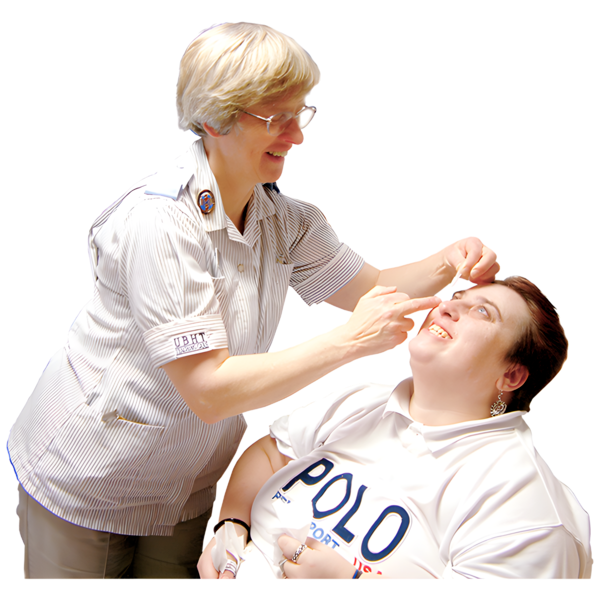
You may be asked to consent to…
Treatments
You might need to see a doctor, dentist, nurse, psychologist, physiotherapist or occupational therapist.
They must ask for your consent before they carry out any tests, assessments or treatments.

Therapy
- Things like:
- Anger management groups
- Speech and language
- Counselling
- Art, music or drama therapy
- Sex education
- Students being present

Before you make up your mind, you need to be given information about:
- What needs to happen
- Why it needs to be done
- What any treatment will feel like
- How it might make you better
- What might go wrong

Before you give consent
You will be told everything you need to know.
You must be given enough information to help you decide.

You can ask as many questions as you want to.

Take time to think about it.

You can always change your mind about giving consent.
Help to make up your mind
You might want to ask questions like:
- How long will treatment take?
- Will I need to go into hospital?
- What will happen if I say no?

Talk it over with a friend, relative or carer. They might also want to ask questions.

How to give consent
You can say yes.
You can say no.
You can make a sign.
You might be asked to sign something to say you agree.
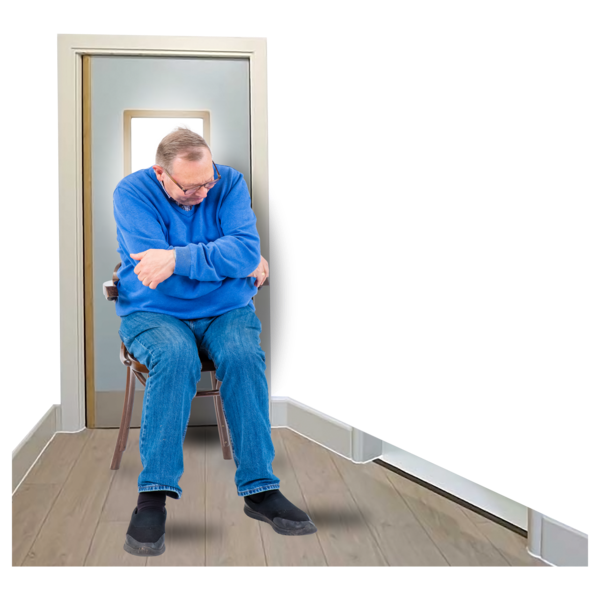
What happens if you say no
If you are in hospital under the Mental Health Act 1983, you might get treatment even if you say no.
This can happen if you need treatment to help keep you safe or well.

If this happens you can ask for help from an advocate.
An advocate is someone who helps you understand things and speaks up for you.
Staff can help you get an advocate if you want one.

If you are in hospital under the Mental Health Act 1983, you can appeal against it.
An advocate can also help you with this.

Problems, complaints or suggestions
Cumbria, Northumberland, Tyne and Wear NHS Foundation Trust has a complaints policy. We will give you a leaflet about how to make a complaint.
If you think that we could improve our service then please let a nurse know your idea.

Further information about the content, reference sources or production of this leaflet can be obtained from the Patient Information Centre. If you would like to tell us what you think about this leaflet please get in touch.
This information can be made available in a range of formats on request (Braille, audio, larger print, BSL or other languages). Please contact the Patient Information Centre on 0191 246 7288.
Published by the Patient Information Centre
2025 Copyright: Cumbria, Northumberland, Tyne and Wear NHS Foundation Trust
Ref: PIC/350/0625 June 2025 V7 (CNTW(C)05)
Website: www.cntw.nhs.uk
Telephone: 0191 246 7288
Review date 2028