

What is this leaflet for?
This leaflet gives easy read information about drama therapy, what it is and how it can help you.

A member of staff or a carer can support you to read this booklet. They will be able to answer any
questions that you have.

What is drama therapy?
Drama therapy can help you to understand your feelings. You will be working with a drama therapist who will work with you on any difficulties that you are having.
You might be worried about:
• how you get on with other people
• managing with things at home
• why you might feel lonely and upset

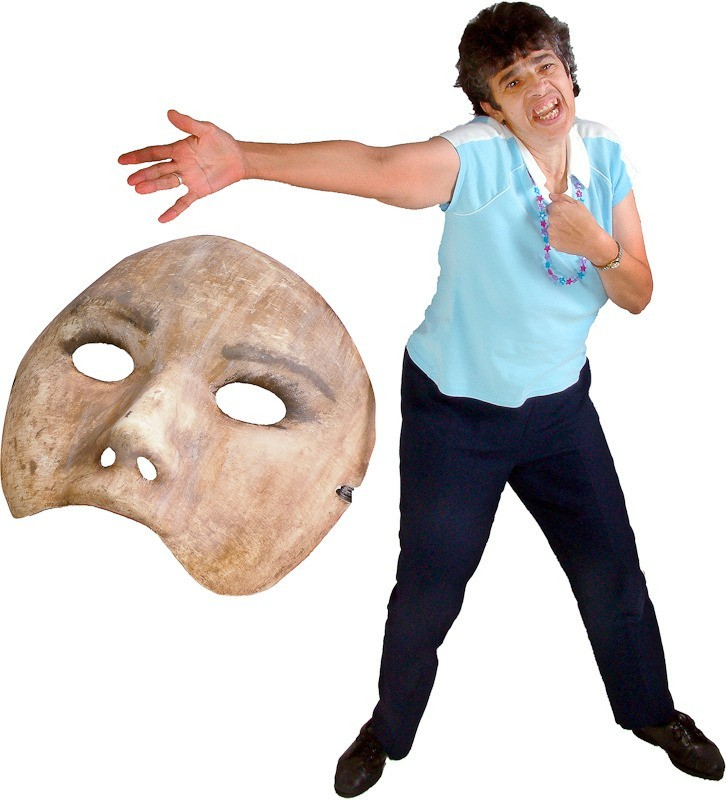
In drama therapy you can play games, act and make things.
Drama can be a good way to tell stories. It can also help you to express feelings that are hard to put into words.

Drama therapy can help you think about:
• things that matter to you
• things that make you happy or sad
• things that you would like to change
• set goals for the future
Some people find that playing and using action helps them to express themselves.

You might find you learn new things about yourself and have some fun.
The therapist is there to help you. They will listen to you and respect your feelings and privacy.

Sometimes sharing your feelings with the drama therapist can help you. It may help you feel less upset or lonely

Who will be there?
You will usually see the drama therapist on your own.
Sometimes there will be drama therapy groups.

How long will drama therapy last?
The drama therapist will talk to you about when and where you are going to meet.
How long you see the drama therapist for will depend on what you want to work on.
Do I have to be good at drama?
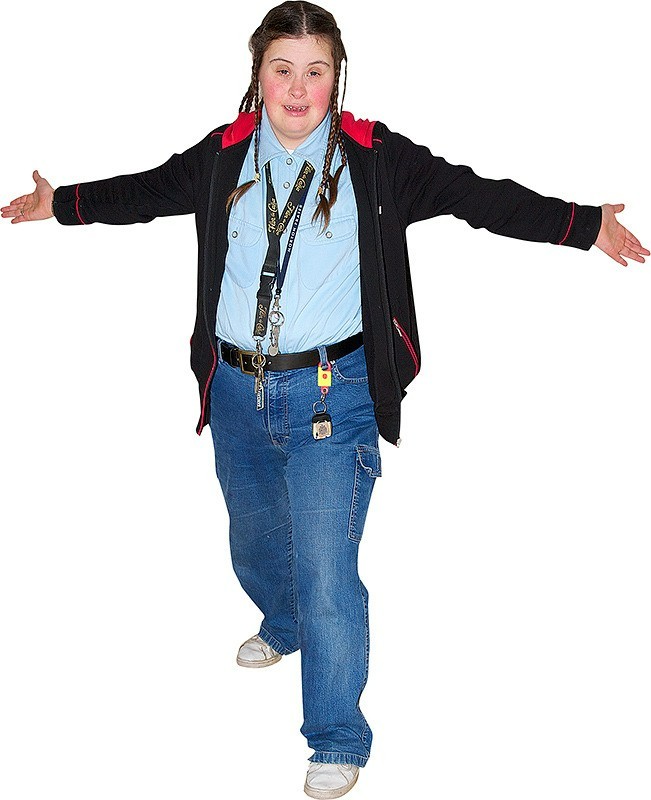
You don’t have to be good at drama. Drama therapy uses playing and action to help your creativity and imagination.
The idea is that you can express yourself freely using drama and play.
What will happen to the stuff I make?
Any props or things you make will be kept safe by the therapist. They will be kept private.
These things and the work you do are for you and the therapist to look at and talk about. You can look back at your old work in therapy to see how things might have changed for you over time.

Sometimes the drama therapist might ask if they can take photos of your work.
These will be kept private but you will be able to see them if you wish.
When your therapy ends you can choose to take any of your work away with you.
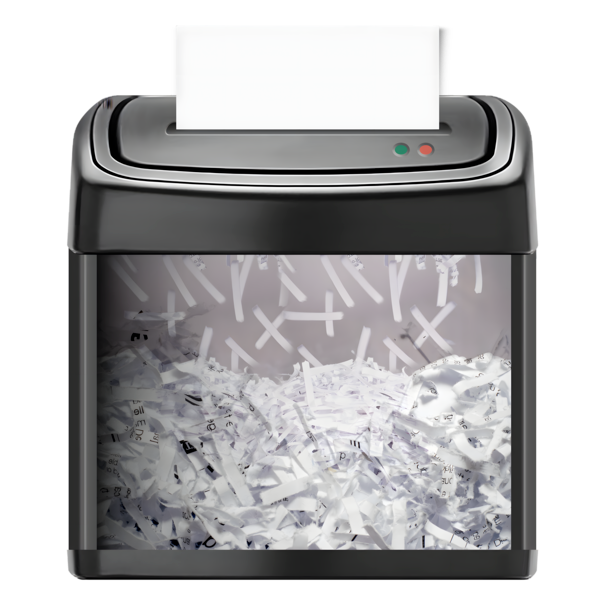
You don’t have to take your work with you.
Your therapist will keep it for a while and then dispose of it. This respects your privacy.

Will other people know what is happening in drama therapy?
The drama therapist will keep a confidential record of the session; they will respect your privacy.
The drama therapist might write a report but will talk to you about these.
The drama therapist will answer any questions you have.
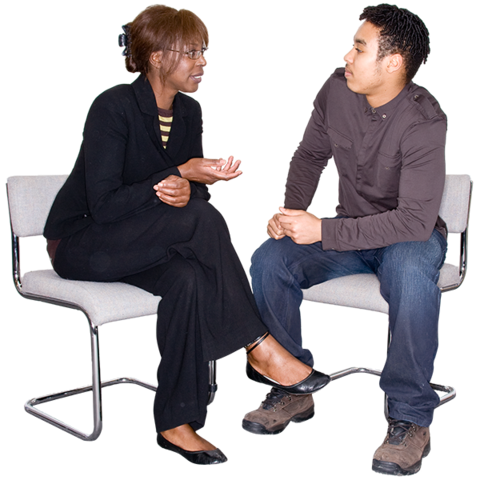
If you would like to come to drama therapy you should talk to your ward staff and they can contact a drama therapist for you.
The drama therapist will then come to see you. They will assess if drama therapy would be helpful to you and tell you more about it.

Problems, complaints or suggestions
Cumbria, Northumberland, Tyne and Wear NHS Foundation Trust has a complaints policy.
If you want to complain we will give you a leaflet to explain how to, or you can talk to a member of staff.
If you think there are things we could do to make our service better please tell a member of the team.

Further information about the content, reference sources or production of this leaflet can be obtained from the Patient Information Centre. If you would like to tell us what you think about this leaflet please get in touch.
This information can be made available in a range of formats on request (Braille, audio, larger print, BSL or other languages). Please telephone the Patient Information Centre on 0191 246 7288
Published by the Patient Information Centre
2025 Copyright: Cumbria, Northumberland, Tyne and Wear NHS Foundation Trust
Ref: PIC/693/1125 November 2025 V5
Review date: 2028
Website: www.cntw.nhs.uk