

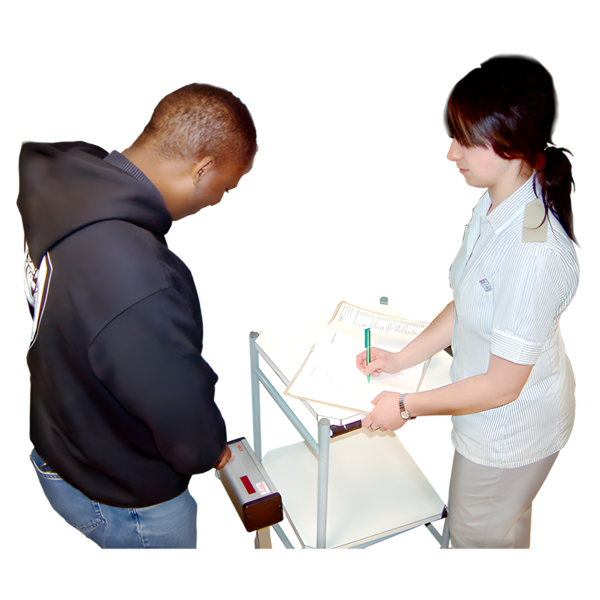
What is this leaflet for?
This leaflet gives easy read information for people with eating disorders who are at risk of experiencing low blood sugar (hypoglycaemia).

A member of staff or a carer can support you to read this. They will be able to answer any questions that you have.
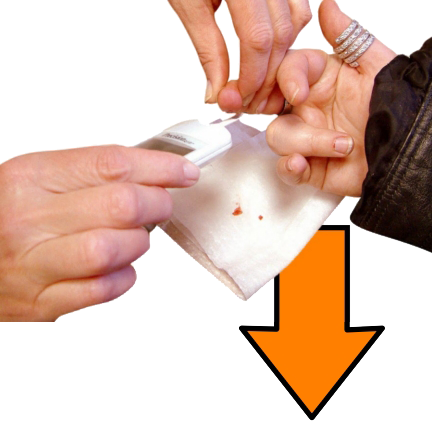
We wrote this leaflet because many people with eating disorders have low blood sugar.

An eating disorder can involve eating too much or too little and being really anxious about your weight and body shape.
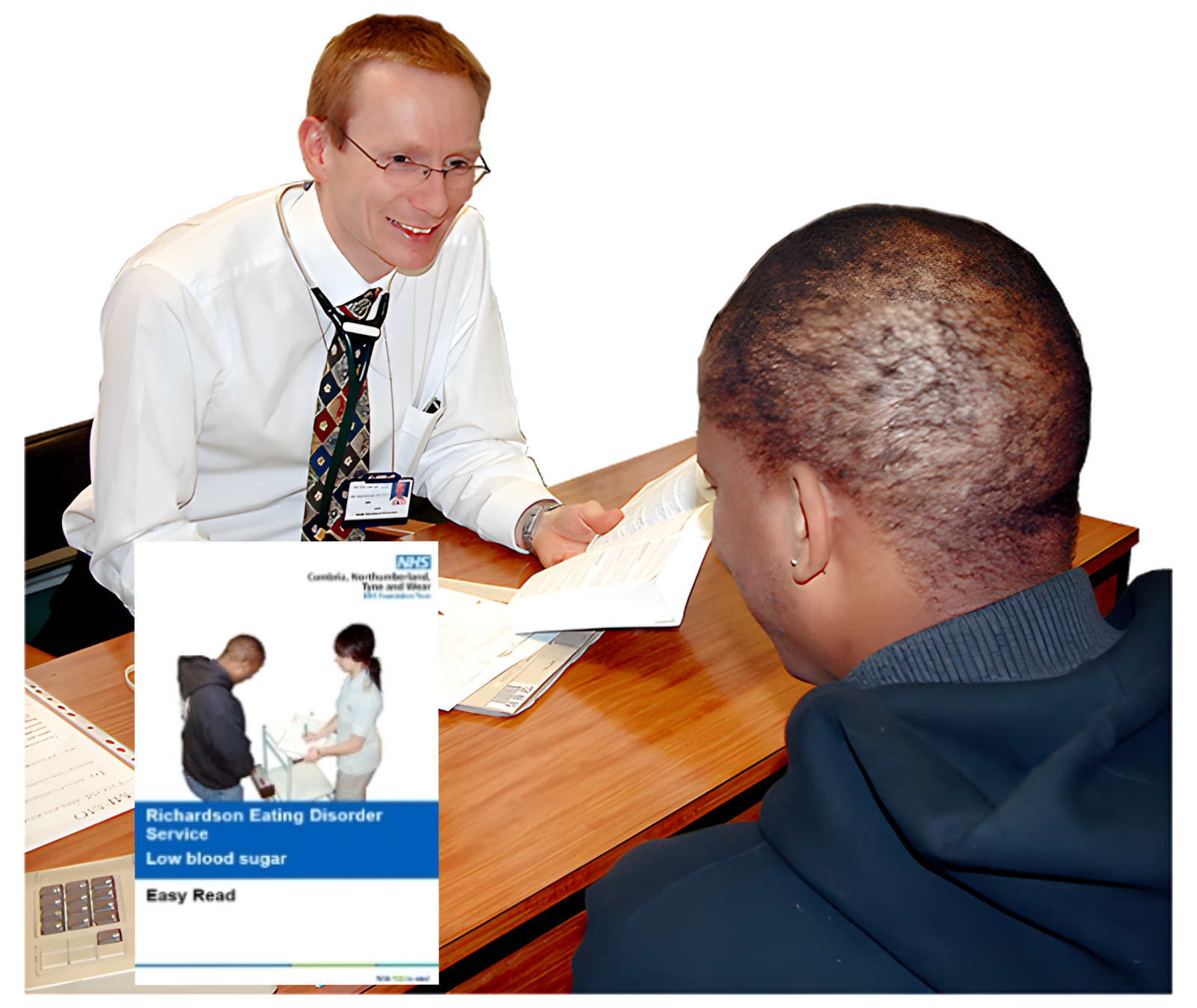
This leaflet tells you about low blood sugar and what you can do about it.
It might help you think of things to ask your doctor.

What is low blood sugar?
Sugar (or glucose) in your blood gives your body energy. When you do not have enough energy, your brain and body cannot work properly.

Low blood sugar can cause:
- hunger
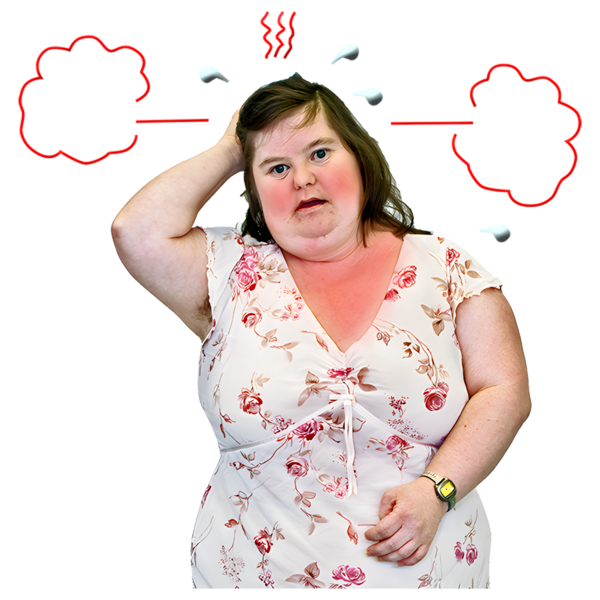
- sweating

- feeling anxious
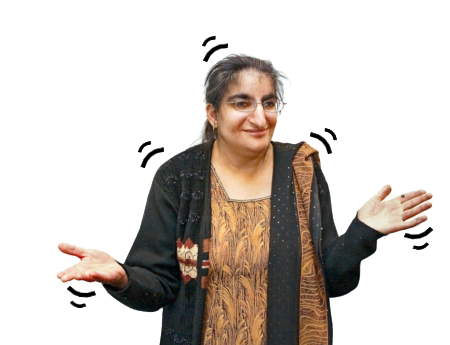
- feeling shaky

- fast or fluttering heartbeat

- being very pale
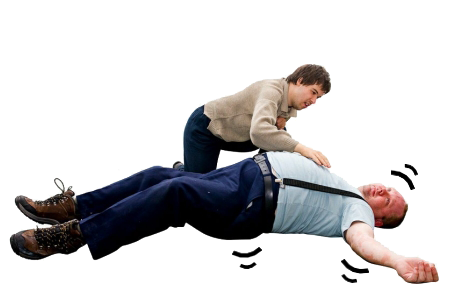
- fits

- problems with your sight

- being confused and acting differently

- not being able to do everyday things
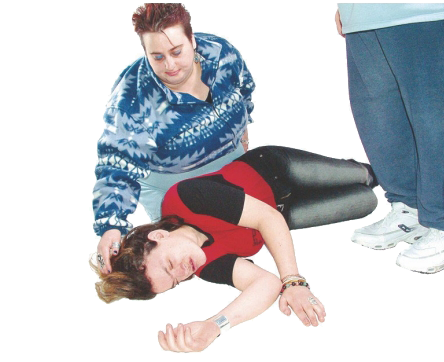
- fainting and the risk of dying
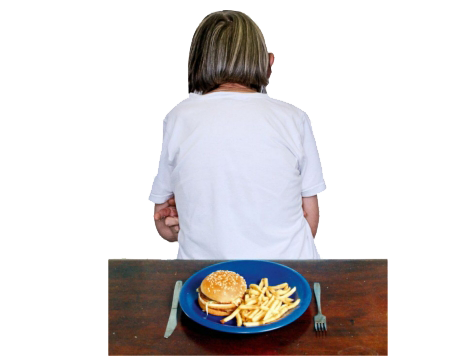
What causes low blood sugar
If you have an eating disorder you get low blood sugar when you starve yourself.

But it can also happen when you start eating again

This is because your body has to use blood sugar to break down the food into more energy.
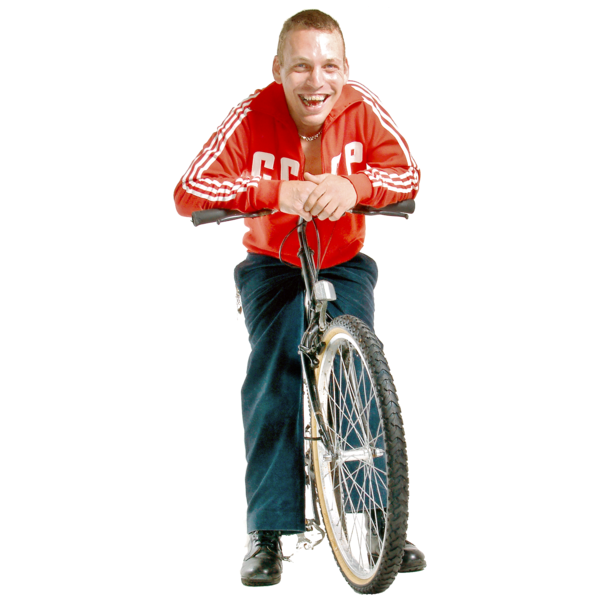
Why you need carbohydrates
Carbohydrates (carbs) are sugars or starches that give your body energy to work properly.

Sugars come from:
- fruit
- sugary food

Starches come from things like:
- beans
- nuts
- potatoes
- bread
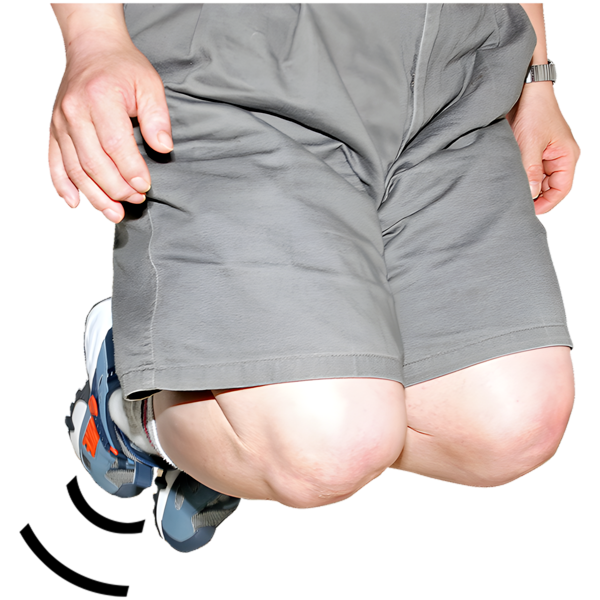
Your body needs a store of carbs to use for energy.
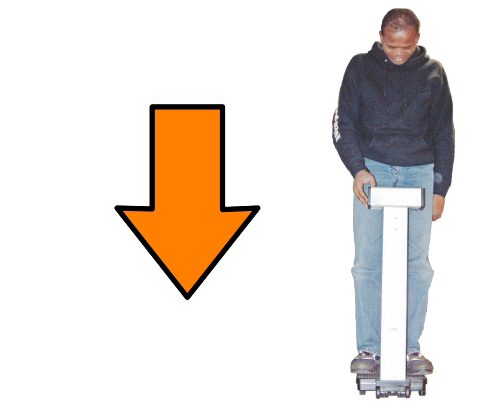
If your weight is really low and you go without carbs for two or three hours, you can get low blood sugar.

What to do if you have low blood sugar
1. Drink or eat one of these:
- 200mls pure fruit juice
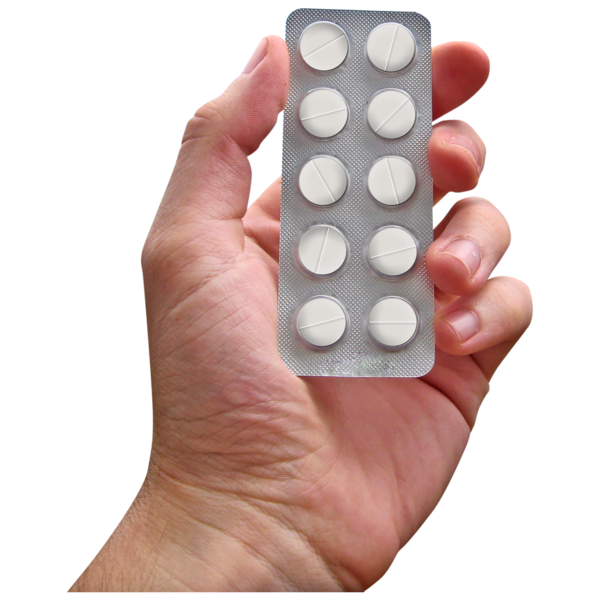
- or 5 to 7 dextrose tablets
Please check the food or drink label contains at least 15 to 20 grams of sugars.
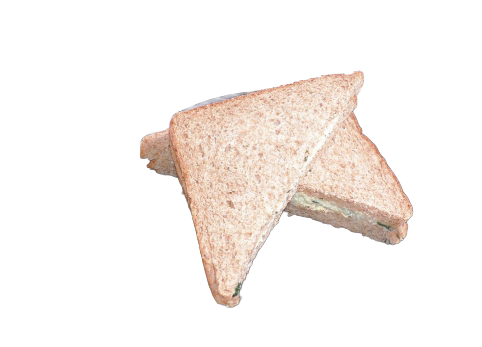
2. Within 15 minutes eat one of these:
- two slices of bread as a sandwich
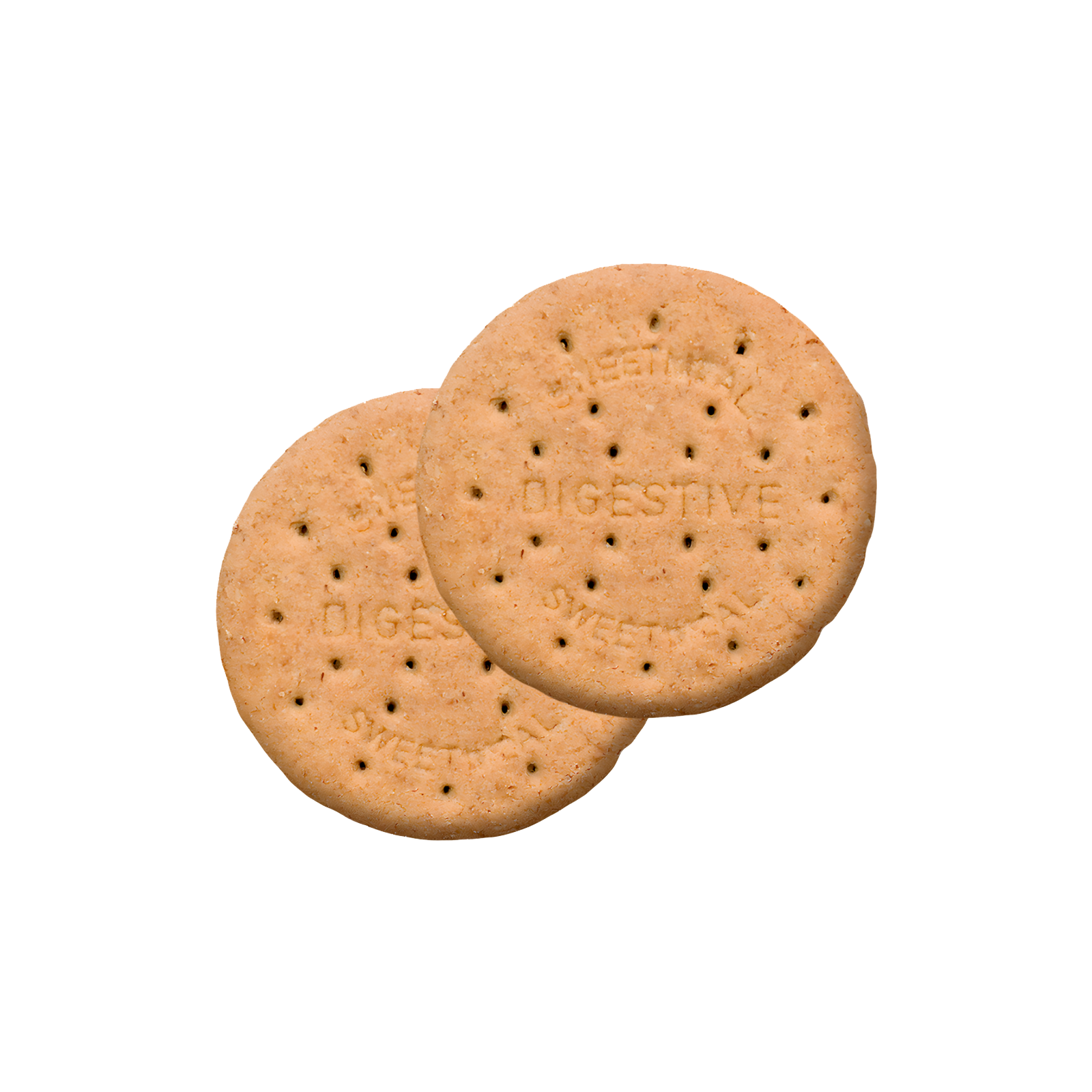
- or two digestive biscuits

- or one medium banana
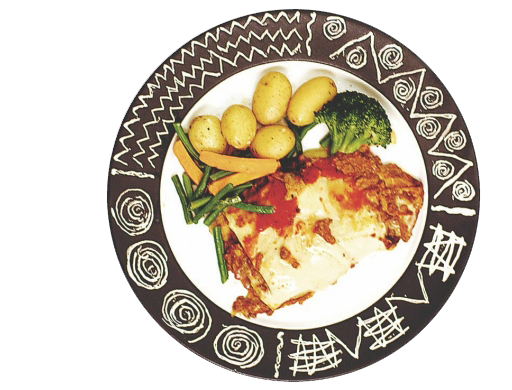
- or your next meal with carbohydrates if it is time for you to eat it
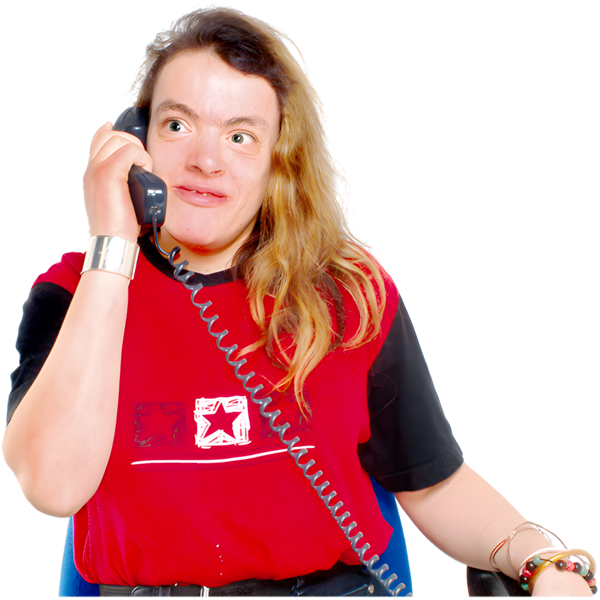
If you are worried or feeling really unwell:
- ring 999 or

- go to the nearest hospital Accident and Emergency department
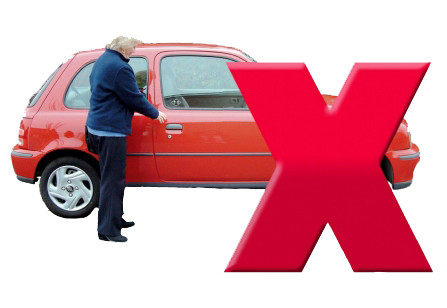
Do not drive if you have low blood sugar.
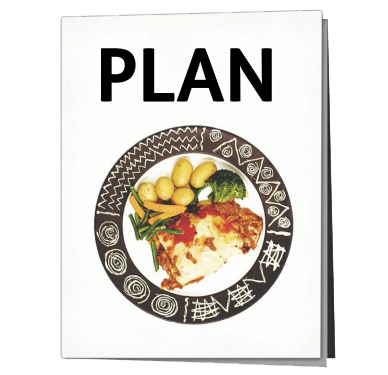
The only way to make sure your blood sugar stays normal all the time is to:
- follow your meal plan
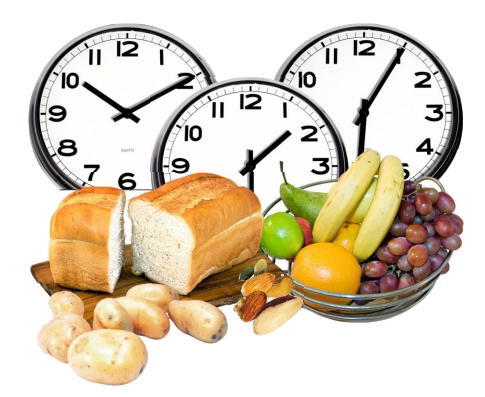
- eat carbohydrates regularly through the day, like:
- pasta
- bread
- cereals
- potatoes
- rice

- not do too much exercise

Credits
This leaflet was made by the easy read service at Inspired Services Publishing Ltd.
Ref: ISL163 18 - September 2018.

Selected photos are from the Inspired Pics easy read collection and cannot be used anywhere else without written permission from Inspired Services Publishing Ltd.

This leaflet meets the European easy read standard.

Ref: PIC/801/0424 V3 ER
Website: www.cntw.nhs.uk
Telephone: 0191 246 7288
Review date 2027
Find us on social media, search for CNTW