

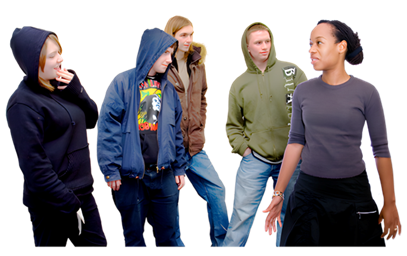
This page explains that racism is treating people unfairly because of their skin colour, religion, or way of life.
It encourages everyone to be kind, learn about racism and speak up to stop it.
You can watch the video or read the information below.
A member of staff or a carer can support you. They will try to answer any questions that you have.
Watch the video
This transcript provides an audio and visual description of the video “What is racism?”
| Audio | Visual |
|---|---|
| Imagine if everyone looked the same, spoke the same, and believed the same things. It would be quite dull, wouldn’t it? This video is a simple guide to help us understand racism and why respecting our differences makes the world a happier and more interesting place. | An AI-generated narrator wearing a white blouse and an orange jacket is talking. On-screen text reads: “What is racism?” |
| Everybody is different. People have different skin colour, different beliefs or religions. People wear different clothes and eat different foods. People speak different languages or have different accents. | Images appear on screen:
|
| Racism is when someone is treated badly because of their skin colour, religion or way of life. Treating people differently for any of these reasons is racism. Racism happens everywhere and every day. |
|
| Racism includes saying hurtful things, bullying, or ignoring someone because of their skin colour, religion or way of life. Racism is thinking that all people with the same skin colour, religion, or way of life behave, think or talk in the same way. |
|
| Racism can make people feel scared, sad or angry. Racism can affect people’s mental health and make people feel alone. Recognising the hurt caused by racism is the first step to stopping it. |
|
| Hurting someone or calling them names because of their skin colour, religion or way of life is a hate crime. Hate crime is against the law. Staff must report hate crime to the police. The police may take people to court. |
|
| So what can people do differently? Be kind to everyone. Listen to others. Tell someone you trust if you see racism. If you make a mistake, say sorry. You can say: “I’m sorry for what I did. You did not deserve that. What can I do better next time?” |
|
| What have you learned from watching this video? Are you worried about anything? Will you do anything differently? Be kind and listen to everyone, no matter their differences. There is no place for racism in our Trust. |
|
| This video was made using a computer programme. The narrator is not a real person. The information shared can be found in the Trust’s Easy Read leaflet “What is racism”. You can find it in the resource library on the Trust website or ask a member of staff for a copy. |
On-screen text:
|
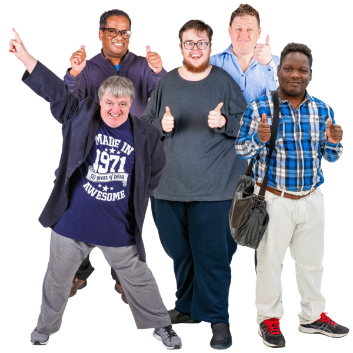
Everybody is different
People have different skin colour.
People wear different clothes.
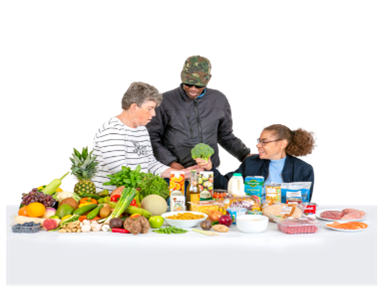
People eat different foods.
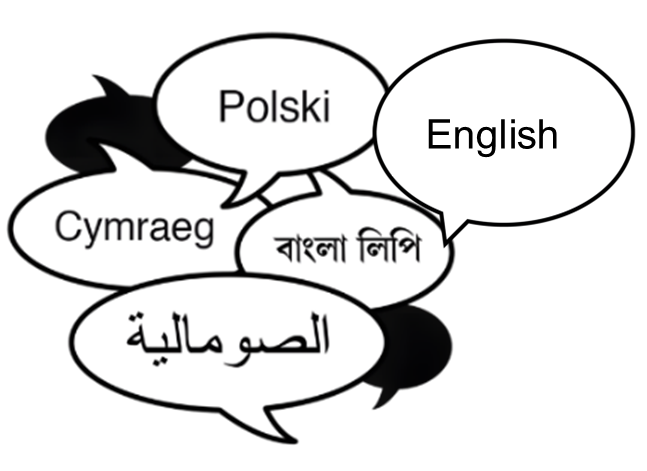
People speak different languages or have different accents.
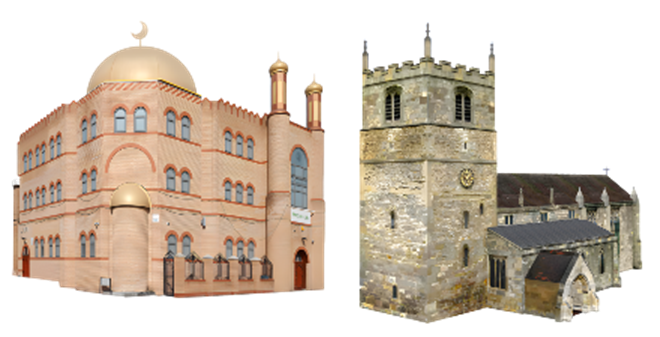
People have different beliefs or religions.

What is racism?
Some people are treated badly because of their
skin colour, religion or way of life.
Treating people differently for any of these things is racism.
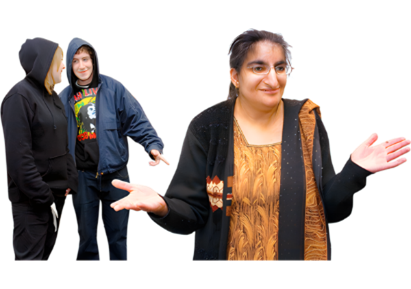
Racism happens every day and everywhere.

What are different kinds of racism?
These could be things like:
- Saying hurtful things to someone because of their skin colour, religion or way of life.
- Upsetting someone because of their skin colour, religion or way of life.
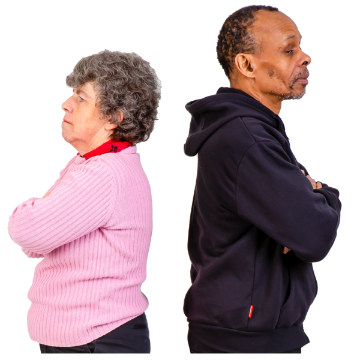
Sometimes people are treated unfairly because of
their skin colour, religion or way of life.
These could be things like:
- Being left out or ignored
- Being bullied
- Difficulties getting a job
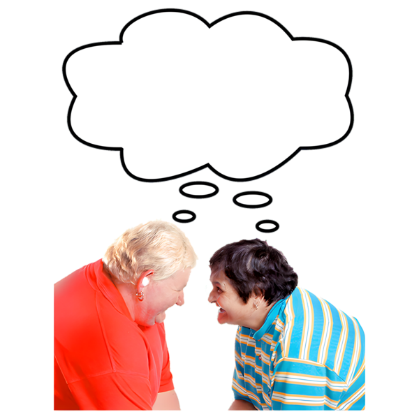
- Thinking all people with the same skin colour, religion or way of life will behave, talk or think in the same way.

How does racism hurt people?
Racism can make people feel:
- Scared or sad

- or angry
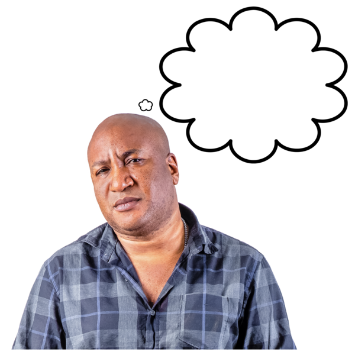
Racism can affect people’s mental health and make people feel alone.
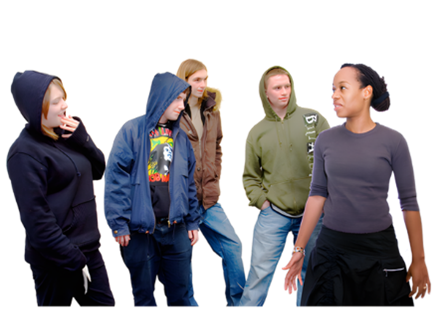
What can happen if people say or do racist things
Hurting someone because of their skin colour, religion or way of life is a hate crime.
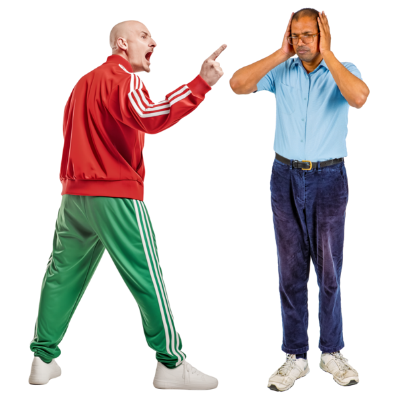
Calling someone names because of their skin colour, religion or way of life is a hate crime.
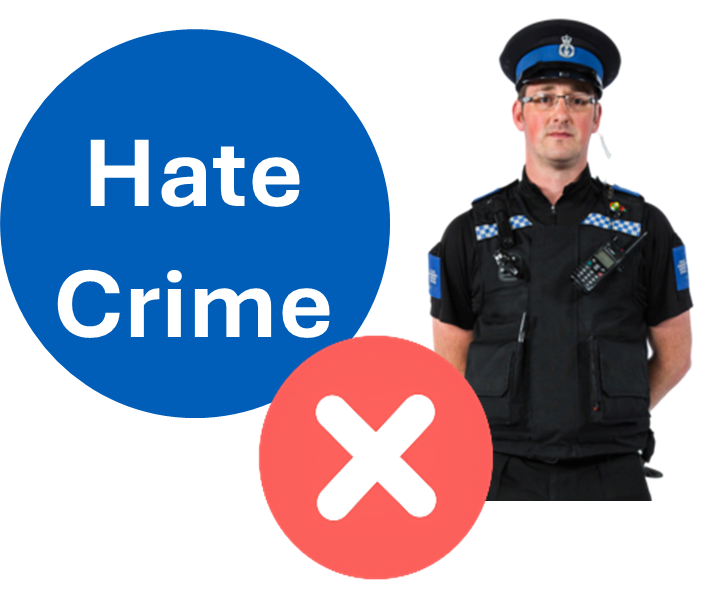
Hate crime is against the law.
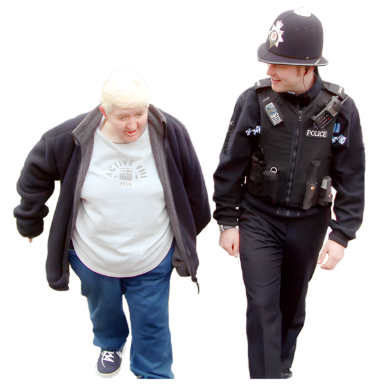
Staff must report hate crime to the police to keep everyone safe.
The police may come and talk to you about hate crime.
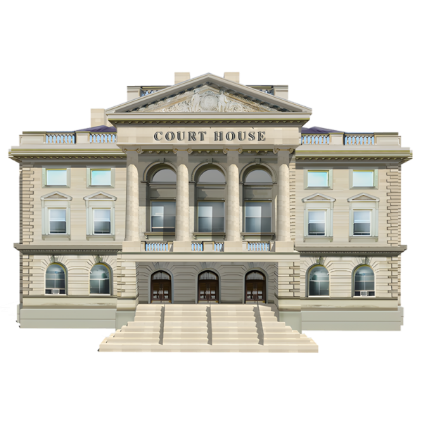
The police may take you to court for hate crime
What can people do differently?
We can:
- Be kind to everyone.

Listen to others.
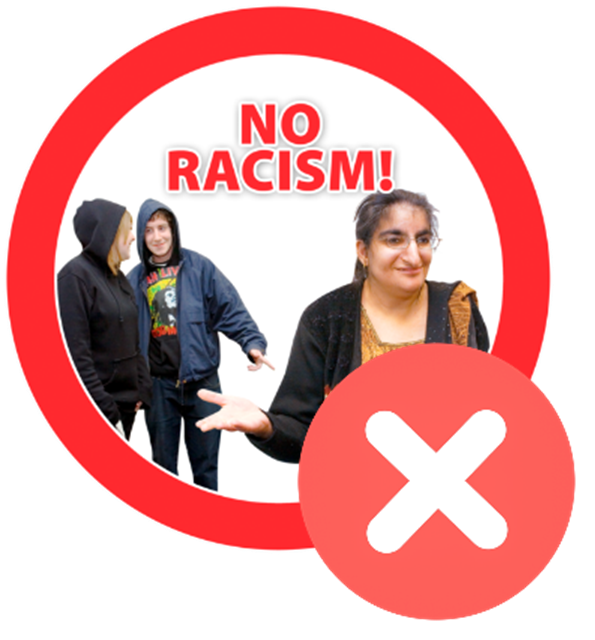
Learn about racism.
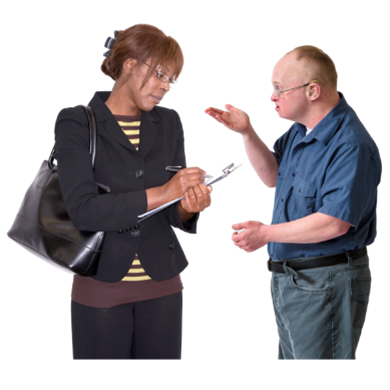
If you see racism happening, you should
tell someone you trust.
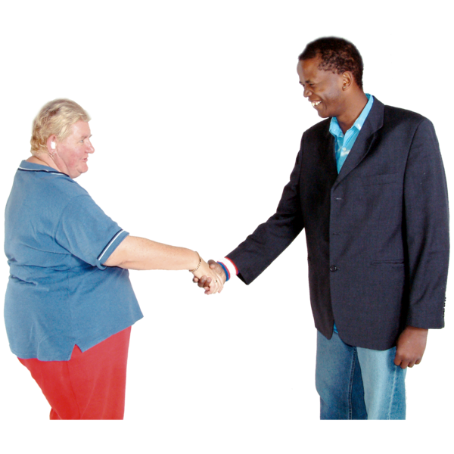
If you make a mistake, you should say sorry.
You can also say:
- I’m sorry for what I did.
- You did not deserve that.
- What can I do better next time?

Your thoughts
What have I learnt from reading this?
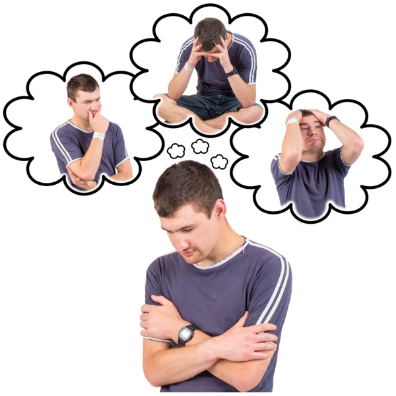
Am I worried about anything?
What will I do differently?

Problems, complaints or suggestions
Cumbria, Northumberland, Tyne and Wear NHS Foundation Trust has a complaints policy.
If you want to complain we will give you a leaflet to explain how to, or you can talk to a member of staff.
If you think there are things we could do to make our service better please tell a member of the team.

Further information about the content, reference sources or production of this leaflet can be obtained from the Patient Information Centre. If you would like to tell us what you think about this leaflet please get in touch.
This information can be made available in a range of formats on request (Braille, audio, larger print, BSL or other languages). Please contact the Patient Information Centre on 0191 246 7288
Published by the Patient Information Centre
2025 Copyright: Cumbria, Northumberland, Tyne and Wear NHS Foundation Trust
Ref: PIC/938/1025 October 2025 V1
Review date 2028
Website: www.cntw.nhs.uk