
Donna was studying for a degree in Business and Finance when she ended up getting a summer job that would change the trajectory of her whole career.
Donna said she never intended on becoming a nurse.
She was studying for a degree in Business and Finance when she ended up getting a summer job that would change the trajectory of her whole career.
It was 1989 and Donna needed to earn some money whilst at university.
“I sent letters to my mum and asked her to send them to companies in the area to get me a summer job,” she explained.
“I ended up getting a job as a nursing assistant at Prudhoe Hospital, working on an assessment and treatment ward. I worked there every summer whilst I was at university.”
Donna was no stranger to Prudhoe Hospital; her mum also worked there as a learning disability nurse. Once she had finished her degree, Donna got a job there full time.
Four years later, she was ready for a change and moved to work on a medium secure ward at Northgate Hospital in Morpeth, where Donna said she loved every minute.
It was there that she did her nurse training and progressed to a staff nurse role. Then, the opportunity came to do a secondment with the speech and language therapy team at Northgate.
“This was great to see nursing from a different perspective and not just in a forensic setting,” Donna said. “After my secondment I went back to the ward as a clinical lead.”
Not long after returning to the ward, Donna decided it was time to move on.
“It was a very physical job; you needed a lot of energy to do the long days,” she explained. “I was in my 40s and had reached a point where I didn’t want to be working on the ward anymore.”
Donna joined the community learning disabilities team in Alnwick where she worked for two years, before starting her current role in 2017.
Now, she’s a primary care mental health liaison nurse manager. In this role, Donna works with many different teams and other NHS providers, working together to improve the physical health of people in Northumberland.
This can be through campaigns or working with clients directly.
“We’re very fortunate to work in the same place as adult social care; this means we can work collaboratively to improve the health inequalities for people with learning disabilities,” she added.
Many of the people Donna works with have mental health conditions, as well as learning disabilities.
She believes learning disability nursing is unique in its approach.
“It’s a lot more holistic,” she said. “We don’t put people in a box; we look at the whole person, rather than as someone with learning disabilities.”
Learning disability nursing has changed significantly in the years since Donna started her career.
“When I first started, patients were in dorms. There were over 20 people on a ward and everything was done as a collective, there was no individuality,” she said.
“Imagine the frustration of living with that many people who are all unwell. None of them have chosen to be together, they were put together because of their identified need.
“Now, care is a lot more personalised and collaborative. Experts by experience would have been unheard of back then but now we are driven by the service user. They are the ones receiving our support, so they can tell us what we’re doing well and what we can improve.”
For Donna, the best part of the job is being able to make a difference.
“Being able to improve someone’s life is a real honour. Whether it’s helping with their physical health or their living environment, the things that we might take for granted.
“We’re helping people live the life they want. It feels like a huge responsibility sometimes but there’s also a huge sense of pride.
“I might see someone out in the community who I worked with when they were an inpatient. Being able to follow someone’s journey and see their quality of life improve is so rewarding.”
Donna’s advice for someone thinking of a career in learning disability nursing is to go for it!
“You get back way more than you give,” she said.
“No training is easy, but the opportunity to improve not just one area but all areas of someone’s life makes it all worthwhile.”
Adrian is Community Nurse Practitioner with the Neuropsychiatry Outpatients Department at Walkergate Park Hospital
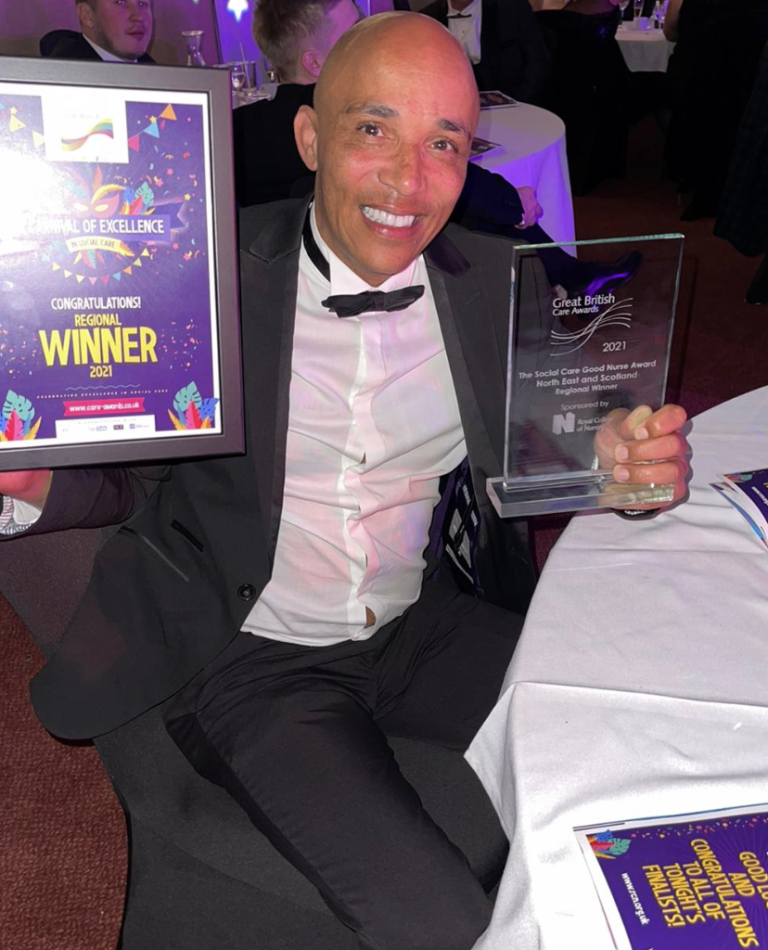
Adrian, from Newcastle, worked as a decorator for 20 years before deciding to switch careers and become a nurse at 40.
Adrian says: “I had been decorating some homes for people with learning disabilities, and I absolutely loved being around them, engaging with them – I spent more time talking than painting!”
Adrian worked as a support worker for a few years, before applying to university to qualify as a nurse. Having left school with no qualifications, he completed several courses and went to evening classes to gain the qualifications needed to be accepted onto his nursing course.
In his role as a Community Nurse Practitioner, Adrian provides specialist healthcare and support to people with a learning disability, as well as their families and carers, helping them live meaningful and fulfilling lives.
He works to improve or maintain his patients’ physical and mental health, ensuring their health and care needs are met. He also tried to reduce barriers to patients living an independent life.
“I love meeting with patients, families, and care staff, delivering choice, inclusion, control and empowerment and most importantly, I love seeing the positive impact our work can have on people – seeing patients’ quality of life significantly improve,” says Adrian.
Despite coming to the profession later in life, Adrian has won several nursing awards. For two years running, Adrian won the Social Care Nurse Award in the North East Great British Care Awards.
One of his award nominations was the result of positive feedback from the mother of a patient who Adrian supported. She said he was ‘truly amazing’ with her son.
Adrian encourages others to consider a career in the NHS: “It’s an opportunity to work within a supportive environment, with many career options, whilst offering a variety of opportunities to personally and professionally develop.
“Ultimately you can be part of something making incredible differences to the lives of patients, families, carers and our colleagues.”
Community Practitioner Estelle Dodd was inspired to become a social worker after a positive experience of the care her dad received.
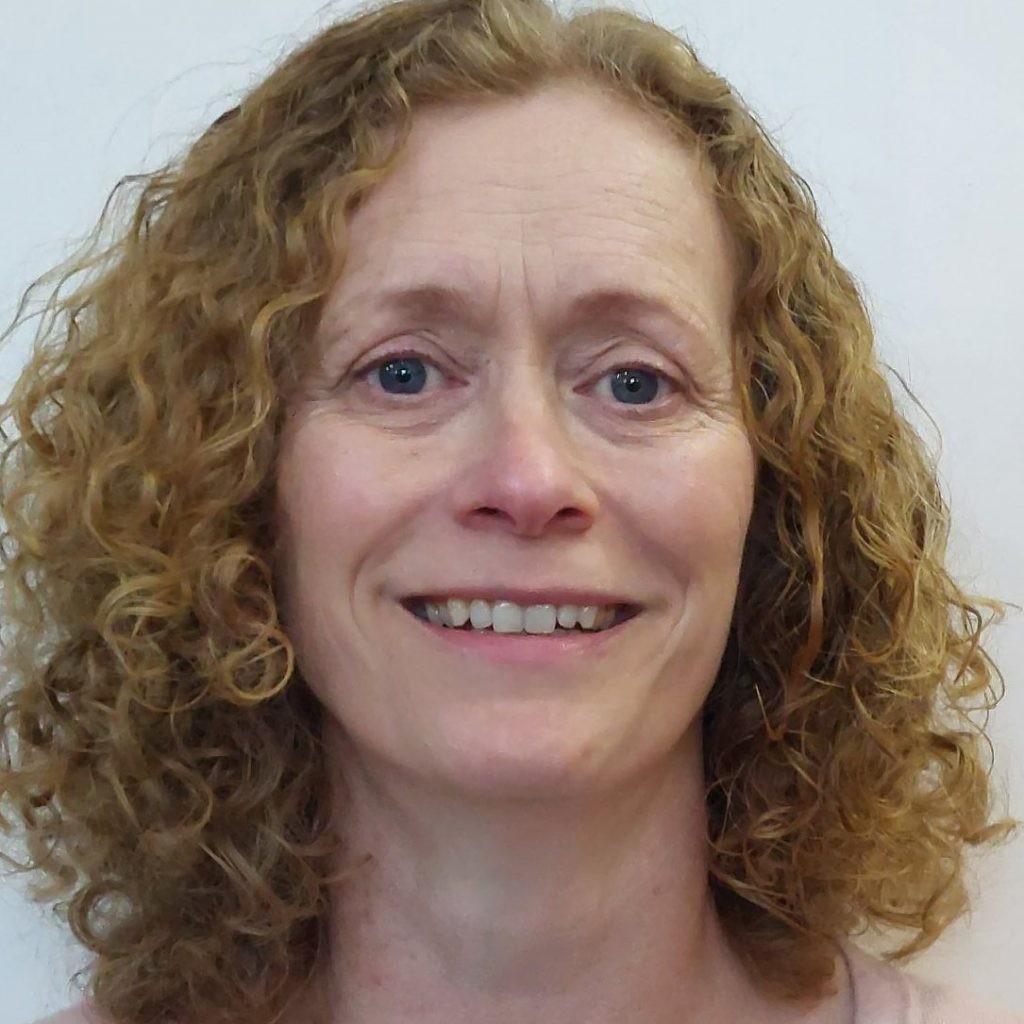
Part of Cumbria, Northumberland, Tyne and Wear NHS Foundation Trust (CNTW), Estelle works in a post diagnosis dementia team in Northumberland. Her dad was diagnosed with dementia, which sparked her interest.
After working in admin roles for many years, Estelle decided it was time for a career change. “I wasn’t satisfied in my job and wanted to do something more rewarding,” she explained.
Estelle qualified as a social worker in 2002 and began working in a community mental health team, where she worked until 2015.
“The then integrated team I was in de-integrated, and I moved into social care but missed the more rewarding parts of my job,” she said. “I wanted my work to be centred around mental health and therapeutic activities rather than care management.”
After having a baby, Estelle took a career break but says she missed the people side of social work.
“When I saw CNTW were recruiting social workers into mental health teams, I was amazed,” Estelle said. “The best part of social work is the people. You can make a positive impact, which is so rewarding.”
Estelle now works into a team supporting people who have had a recent dementia diagnosis and their families and carers. The support is delivered in groups or one-to-one in people’s homes. The team is made up of a number of professionals working closely with voluntary sector organisations and partners.
Estelle finds working as a social worker in a mental health trust very different to other organisations. “Working in a mental health trust is a lot more holistic,” she said. “You have the opportunity to work closely with people from different professions, so you can bounce ideas and knowledge from each other. Having social workers in healthcare teams brings a different perspective.”
Estelle has some advice for people considering a career in social work. “It’s really important to work in an area you’re passionate about. I would also say you need to look after yourself and your colleagues. It’s a very rewarding but challenging job so you need to learn to not take work home with you and remember to look after your own wellbeing.”
For Estelle, she says it’s great to see CNTW raising the flag for social work. “I’m delighted to see the Trust recruiting social workers and recognising what we have to offer in terms of knowledge and therapeutic skills.”
CNTW is a leading provider of mental health and disability services in the North East and north Cumbria.
Clinical Lead Lee Curtis works for the Northumberland and North Tyneside Crisis Resolution and Home Treatment Team.
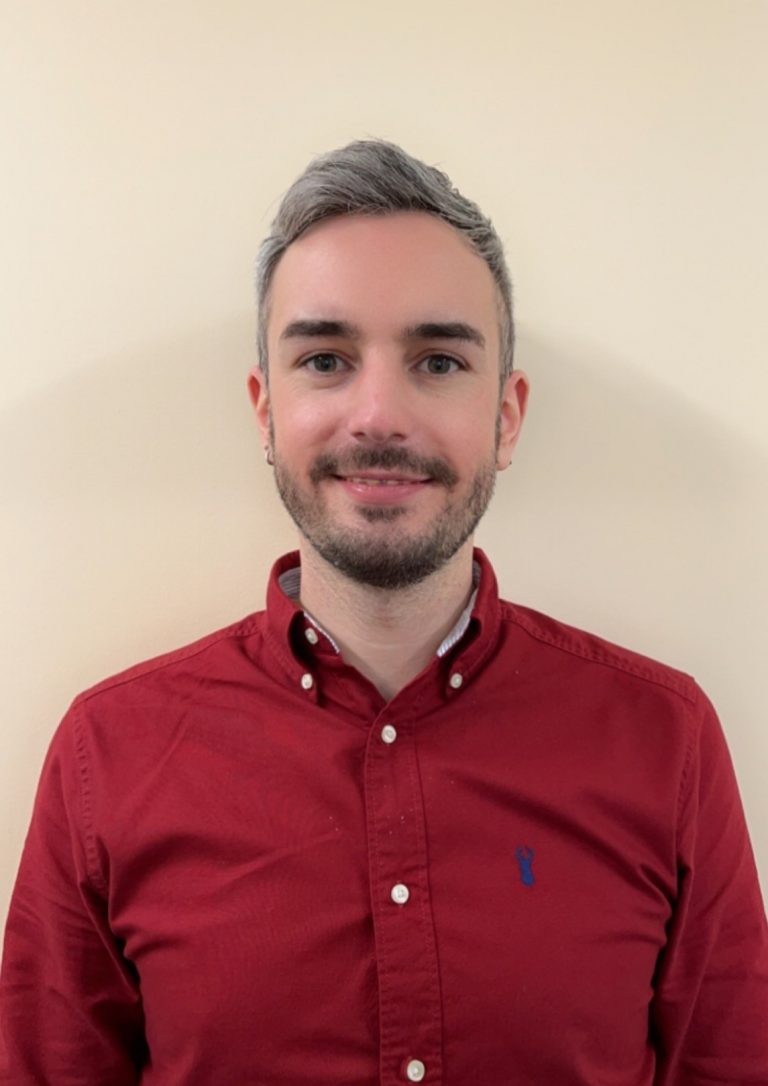
Based at St George’s Park in Morpeth, Lee manages the older person’s part of the crisis team. “We look after some of the most unwell patients in the community,” he said.
Day-to-day, Lee’s job involves reviewing complex cases, creating treatment plans and liaising with social care and community treatment teams.
Lee has been in his current role for two years but nearly didn’t go into nursing at all, initially wanting to become a teacher.
“My sister took a gap year which meant we were going to be on the same teaching course,” Lee explained. “I said there was no way I was going to university with my sister so I didn’t go into teaching!”
One of Lee’s friends was working as a carer and suggested he tried that. “Once I was working as a carer I knew that mental health nursing was what I wanted to do.”
He went on to study Mental Health Nursing at Teesside University and worked for a number of years in the private and charity sectors.
Lee’s first taste of CNTW was working on bank shifts at different sites across the Trust before joining as a full-time member of staff. “I was nervous starting the job,” he admits. “But everyone was so friendly, and the senior managers were helpful and accessible, which is still the case today. In other jobs I’ve felt alone but it’s like a family here.”
For Lee, the best thing about working in CNTW is the support available. “The Trust has a really good appraisal process. I was asked where I wanted to be in my career and they are realistic in helping you achieve that.”
Lee has also taken up a number of opportunities for training and development. He’s doing a masters degree in Advanced Clinical Practice and has completed the Mary Seacole programme, a training programme designed to develop knowledge and skills in leadership and management. He has also done a non-medical prescribing course through the Trust.
He hopes this will help towards his goal of becoming a nurse consultant.
Lee’s advice for anyone thinking of career in mental health nursing is to go for it and make the most of the opportunities and support available.
CNTW is a leading provider of mental health and disability services in the North East and north Cumbria.
Clinical Nurse Lead on Lotus ward an assessment and treatment service for patients under the age of 18 years.

Laura’s day-to-day role involves looking after young people and providing therapeutic engagement. She also administers medication and has daily review meetings with the team. As well as supporting service users, Laura supervises and looks after staff.
She has worked in children’s services for the majority of her career, spending a brief spell on an adult ward and knowing she wanted to return to working with young people.
Laura knew she wanted to be a nurse from a young age. “I can’t remember ever wanting to do anything different,” she said.
“I knew from early on I wanted to work with young people with eating disorders. One of my childhood friends had an eating disorder and I wanted to be able to make a difference.”
For Laura, the best thing about her job is working closely with young people and seeing them recover.
“I find it easier to establish a rapport with young people and you can really see how you’re helping them. It can be hard work but it’s definitely worth it.
“Working in inpatient services is extremely rewarding. You see people at their most unwell and I feel you’re able to give that continuity of care seeing someone every day, rather than just once a week.”
Laura joined Lotus Ward from a different NHS Trust. She said: “I had to get used to a lot of new policies and procedures but the support I’ve had from my line manager has been amazing.”
CNTW is a leading provider of mental health and disability services in the North East and north Cumbria.
Clinical Lead for Older Persons Services, Universal Crisis Team, South of Tyne
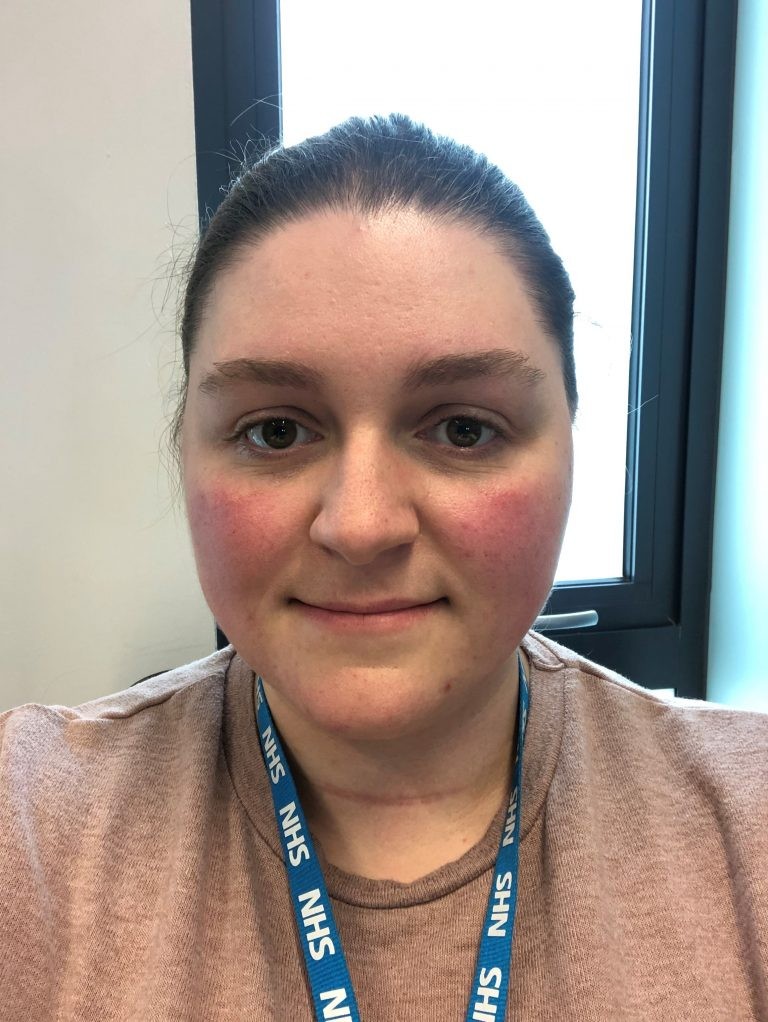
Having started the role in October, Justine is responsible for leading the clinical aspects of the work to support older person’s services in the team.
“We are dealing with some of the most unwell people in the community,” she explains. “We work with those who are acutely unwell with their mental health.”
The crisis team provides home-based assessment and aims to treat people in their homes rather than admitting them to hospital. The Universal Crisis Team is made up of nurses, doctors and occupational therapists who specialise in adults, older persons, and children. The three specialities work together and in conjunction with a range of third sector organisations to make sure patients get support from those with the right knowledge and skills as soon as possible.
Justine’s job is to work with service users to support them through a period of mental health crisis and find the most appropriate route for their care, whether that’s through their GP, a third sector organisation or the community treatment team.
Justine found she wanted to work in healthcare after having a family member experience issues with their mental health. “I knew it was something I wanted to do and that I would find it fulfilling.”
She ended up studying sooner than she expected. She said: “I was doing my A Levels which weren’t going particularly well. I applied for nursing thinking I would start the following year but the university called and asked if I wanted to start the next month, so I did!”
Justine started an advanced diploma in nursing at Northumbria University aged 17. Once qualified, she got a job in a care home.
She then started doing bank shifts with Cumbria, Northumberland, Tyne and Wear NHS Foundation Trust (CNTW) before securing a permanent post in a Psychiatric Intensive Care Unit within the Trust.
Justine worked in the psychiatric liaison team based at Sunderland Royal Hospital and while working there, was offered the opportunity to work into the crisis team and to support the set-up of the older person’s service, part of the Universal Crisis Team.
For Justine, the best part of the job is working with a variety of people and feeling you’re able to make a difference to their lives.
“There are challenges,” she admits. “You can have some challenging conversations and hear some distressing things, but I feel like you’re making a difference every day.
“It can be a small thing like bringing someone a cream cake on your visit or something bigger like helping someone’s carer understand what their loved one is going through.”
For those interested in a career in mental health nursing, Justine recommends getting as much experience as possible.
“I would say, talk to people in that role and get a feel for what it’s like,” she said. “I’m more than happy to speak to anyone who might be considering it.
“Don’t be afraid to move away from what you’re doing. I know a lot of people who came into nursing later in life and say it’s the best thing they’ve ever done.”
Justine has also been given the opportunity to progress in her career with the Trust. She is currently studying for a Masters Degree in Nursing with the University of Sunderland.
“I work with some fantastic people and the support I’ve received has been second to none. Coming into CNTW, you know you’re coming into a supportive workplace.”
Community Practitioner EIP Team, Sunderland and South Tyneside
Chris qualified as a mental health nurse in September 2019 after working in a number of customer service jobs. He worked in management roles in McDonald’s, a casino and a bank, to name a few.
“Lots of my previous jobs had a customer service focus,” Chris explained. “I feel like they have given me a lot of transitional skills that I’ve taken into nursing. Nursing doesn’t feel too different, it’s still person-centred and about giving someone the best experience possible.”
When he turned 30, Chris decided he wanted a career change. “I was having some issues with my own mental health and felt a bit lost,” he said.
“I’d always thought about going back to study, so I did a healthcare course at Gateshead College before studying nursing at Northumbria University.”
It was his own struggles that led Chris to mental health nursing. “I want to help people who have gone through something similar and I think having that experience puts me in a better position to help.” As a Community Practitioner, Chris works on a case load of around 18 service users, leading on their care and treatment.
“I work alongside a multi-disciplinary team of different professionals, trying to give people the best possible chance of recovery after experiencing psychosis,” he explains. The aim of the team is to prevent hospital admissions, providing care for people at home where possible.
For Chris, the best part of the job is the little wins. “We work with the majority of service users for around three years, so it can be a slow process.
“I work with people on their goals and what they want to achieve, no matter how big or small. Seeing people come off their medication for the rest of their life is a massive achievement. But there are also smaller things that mean a lot to a service user, for example, one woman was really anxious about going to the playground to pick up her kids from school and she can do that now which has made a huge difference.”
Chris’s advice for those who may be thinking of working in EIP is to have a level of resilience. He said: “You’re working with human beings and you can’t always predict what’s going to happen but I get so much satisfaction from this job. There is a wealth of opportunities for nurses in the Trust so I would say be open-minded and optimistic. It’s an extremely rewarding place to be.”
Clinical Nurse Specialist, St. George's Park, Morpeth
Having started in the old acute hospital at St George’s Park in Morpeth, Melanie has had a number of roles throughout her career, from male, female acute, rehab and PICU wards.
“I’ve found working in different areas allows you to grow as a nurse and develop skills,” she explained.“ Each role I have moved to I’ve done an acting role, which although you don’t need to, it did allow me to step into a new role, try it out and see if I was ready so to speak! There are always opportunities in inpatient services if you’re looking to try something new.”
After a number of roles, Melanie moved into ward management. Often known as the bridge between board and ward, Melanie hoped working as a ward manager would allow her to be influential on a different level. She spent 10 years as a ward manager on different wards within the Trust, before wanting to go in a different direction.
“I was ready for a change, a more clinical focus, but knew I wanted to stay within inpatients,” she said. “It’s my passion, it’s the A&E of mental health. You’re working with people at their most unwell and learn how to support people’s recovery in a restrictive environment.
“You can make such a difference and you get to see patients return home or back to the community which is so rewarding” Always striving to progress, Melanie applied for an apprenticeship in advanced clinical practice through the University of Sunderland. Thanks to CNTW and the support of her Clinical Business Unit, she is able to do the course alongside working on the wards which will help enable services to provide nurse-led care.
The course also fits in with her desire to invest in the development of junior staff. She added: “By creating the clinical nurse specialist post within our acute inpatient service, junior staff can now see a path they can progress to from a clinical perspective, which hadn’t been done before.”
For Melanie, there are some challenges working on an inpatient ward, for example the busyness. “At times nurses can see this as having fewer opportunities to engage with patients but with some creativity and making space within daily ward routines this can be overcome. Any challenges that we face are far outweighed by the positives of working within inpatient services.
“There’s never been a day where I’ve thought I’d wished I was doing something else,” she said.
“Being able to work with patients and their families is so rewarding. People in inpatient services have often had their liberties taken away, we act as their voice and we have to let them be heard.”
Melanie has some advice for those interested in working on an inpatient ward, “I would say talk to staff and see what opportunities there are. If you’re thinking about it, let us know. There are so many different roles you can do and we will find something that plays to everyone’s strengths.
“We know no service is perfect and there are always things that we can be doing better. We welcome new staff coming in with new and innovative ideas.”
Ward Manager, Embleton, St George’s Park Hospital, Northumberland

As ward manager on Embleton at St George’s Park, Craig is responsible for ensuring the ward runs safely and smoothly.
Part of Cumbria, Northumberland, Tyne and Wear NHS Foundation Trust (CNTW), Embleton is for men who are experiencing a relapse or crisis in their mental health.
“Every day on the ward is different,” Craig said. “I need to make sure I’m available to staff if they have any questions and that I keep up to date with any changes in policies.”
Having started in February, Craig previously worked as a CPN in a community treatment team. Before that he worked at Bamburgh Clinic, an award-winning acute facility for men who have a mental health disorder and have come into contact with the Criminal Justice System.
While working in the community, Craig used his background in forensic nursing to set up a service assessing patients coming out of prison to see if they would benefit from therapy.
“I moved to a job in community because I was attracted to the 9-5,” he explained. “It was really enjoyable and I learned a lot but realised that I wanted to be back on the wards.
“What I love about being a ward manager on an inpatient ward is that I have that mix of understanding the operational side while still be able to see patients.”
Always looking for new challenges, Craig believes when you start to feel comfortable in a job that’s when it’s time to move on.
While the job is extremely rewarding, it can be a challenge. For Craig, the hardest part is working in a constantly changing environment but he finds an inpatient ward is the best place for nurses to cut their teeth. “It gives nurses the opportunity to learn skills in a secure environment.
“Inpatients is a great place to learn the clinical aspects of nursing. There is constant support from managers and clinical leads. For me, I found working in the community quite isolating, you’re often making decisions by yourself, but there’s always someone for support on an inpatient ward.”
Ward Manager, Warkworth, St. George’s Park Hospital, Northumberland

Having worked in Greater Manchester Mental Health NHS Foundation Trust for eight years, he was keen to move to progress his career.
Mark admits it was a big step and found the transition difficult at first, initially staying at his mums in Northumberland during the week and spending weekends back home.
It wasn’t long before he moved to the area permanently and hasn’t looked back since.
“Having some family living here already definitely helped but people in the North East are so friendly I think I would have settled in regardless,” Mark said.
Another thing Mark says helped him settle is the support he received from the Trust and his team, particularly his line manager Charlene Stewart.
“From the interview process before I’d even got the job, everyone was aware I was relocating from a different area,” Mark explained.
“The team were really understanding and I was able to have flexibility with my days off so I could go home for a long weekend.”
Once Mark was offered the job, he was given the chance to shadow another ward manager before he started, something he found extremely helpful. He was also able to visit the ward beforehand and introduce himself to patients and staff.
For Mark, the best part of relocating is being close to the North East’s famous coastline and countryside. “Even after my interview I had a drive around and thought I can see myself living here,” he added.
Based at St George’s Park in Morpeth, Mark is ward manager on Warkworth, an acute inpatient ward for men over the age of 18 who are experiencing a relapse or crisis in their mental health.
He says being a ward manager can be challenging. “Once you put that uniform on people expect you to know everything,” he explained.
“Working on an inpatient ward is a constantly changing environment. As ward manager, I have to ensure the ward runs as smoothly and safely as possible.”
Often described as the A&E of mental health, Mark says working on an acute ward is the bread and butter of nursing.
He said: “You get to work with patients with all kinds of different presentations from all kinds of backgrounds. If you can manage working on an acute ward, you can work anywhere.
“Inpatients is the best place to cut your teeth, it leads to many other fields and I’d recommend it to anyone.”
Community Practitioner at Palmers Community Hospital, Jarrow

As a community practitioner, it is Hezzel’s job to assess patients, manage risks and offer treatment. She sees patients who are in emotional distress, validating their thoughts and feelings and helping them to rationalise those feelings. She also signposts patients to appropriate services.
Hezzel’s job involves supporting patients’ transition from an inpatient unit back into the community. Her working week can consist of care coordination which involves liaising with wards, third party organisations and multi-disciplinary meetings to discuss complex patients.
In her 12 years in the Trust, Hezzel has worked on rehabilitation wards and older adult teams, where she found the ways of working and recovery very different, before working in the community. She has also recently qualified as a non-medical prescriber, meaning she is able to prescribe any medicines within her area of expertise.For Hezzel, no two days are the same in her job. “There are some days you feel like you’re spending your time firefighting but it’s such a rewarding job.
“Getting a thank you from someone gives a great sense of achievement. The challenge is definitely worth it.”Hezzel says she would encourage anyone to go into nursing.
“Nursing is a lifetime career. There are so many opportunities for career progression and specialising in different areas.”
“Most people who go into nursing are caring in nature. You need to be able to listen, understand what people are going through and work collaboratively on how best to support them.”
CNTW is a leading provider of mental health and disability services.
Mental Health Nurse, Gibside Ward, St. Nicholas

Having been a support worker for 16 years, she felt she was ready for a new challenge.
Now, Phillipa works on Gibside Ward, part of the Regional Affective Disorders Inpatients Service (RADS). RADS is one of a limited number of specialist affective disorder centres in the UK providing care for patients with difficult to treat mood disorders.
A typical day for Phillipa begins with a handover, giving out medication and 1-to-1 nursing sessions to offer emotional support to patients on the ward. She attends meetings on behalf of patients and encourages them to take part in activities that make up their occupational therapy, for example cooking.
“Part of my job is to go out with the patients, doing graded exposure, to help them feel more confident and independent,” Phillipa explained.
“We work with adults who have had depression or bipolar disorder for a long time which is often difficult to treat. It’s not just about nursing, we help with every aspect of their lives from dealing with finances to housing, many social aspects which can impact on their mental health and ability to cope.”
While the job can be difficult at times, Phillipa says it is extremely rewarding. “The best feeling is a patient thanking you when they get discharged, it makes it all worthwhile,” she says.
For her, the most challenging part is seeing how difficult things can be for people and how lonely they are.
She said: “Often people with depression can feel very lonely and helpless. They can feel like they’re never going to recover and that’s hard to see.”
Phillipa joined Cumbria, Northumberland, Tyne and Wear NHS Foundation Trust (CNTW) aged 18 working at Ferndene, an inpatient unit which provides assessment and treatment for children and young people with complex health, behavioural and emotional needs.
Her advice to anyone considering a career in nursing would be to become a support worker first, it provides invaluable experience and grounding for all aspects of nursing.
Doing a course with the Open University allowed Phillipa to do a variety of placements across the Trust. She added: “I was able to lean on the job and then bring back those skills to my support worker role.
“There were times when I found it hard to juggle both work and university but I received a lot of support and could be really honest with people and let them know if I was struggling.”
Phillipa says she has never looked back and is really enjoying her role as a staff nurse.
Cumbria, Northumberland, Tyne and Wear NHS Foundation Trust is a provider of mental health and learning disability services in the North East and north Cumbria.
Mental Health Nurse, Walkergate Park Hospital, Benfield Road, Newcastle
It was an experience with a patient on the oncology ward she worked in that prompted Sheetal Mary Joseph to become a mental health nurse.
Sheetal describes a time when she worked with a patient who had Leukaemia and was HIV positive.
“They came into the ward very unwell and it didn’t look like they were going to survive,” she explains.
“Oncology can be a hard place to work, you have to accept that a lot of people will not live. I brought in a colouring book and some crayons to the patient and they said they had always enjoyed art but had stopped when they became ill.
“Thankfully, they survived and now does exhibitions of their artwork. They told me that if I hadn’t brought in those crayons and given them an outlet they don’t think they would have made it. I realised that even when patients are physically very unwell being well mentally can help you overcome things and from then, I knew I wanted to work in mental health.”
Sheetal has now been a mental health nurse at Walkergate Park for nearly two years and has a Masters in mental health nursing.
Part of Cumbria, Northumberland, Tyne and Wear NHS Foundation Trust (CNTW), Walkergate Park Centre for Neurorehabilitation and Neuropsychiatry is for people with a disability caused by injury or disease affecting the brain, spinal cord or muscles.
One of the most advanced centres of its kind, Walkergate Park aims to maximise people’s potential for independence.
For Sheetal, a typical day starts with handovers, making sure everyone has had their medication and is ready for therapies. Then she attends meetings, helps arrange social work and offers support to relatives who may be visiting.
Sheetal said: “After they have been in an acute ward, it’s often in rehab that patients start to fully understand their situation and how it may impact their life.
“Patients and their families can be under a lot of emotional stress so I spend time with them and talk through how they will be able to adjust to the changes in their lives.”
While she admits things can be crazy at times, Sheetal says there are so many good days working in neuro-rehab. For her, the best part of being a nurse is the job satisfaction and feeling you’re able to make a difference every day.
“I think nursing is the best career you can do,” she said. “I initially regretted my decision to become a nurse because it was so difficult but 10 years on, I can’t imagine doing anything else.”
Sheetal says the most challenging thing about nursing is that there is no scope for mistakes.
“No matter how tired or stressed you are, there’s no room for error. That level of responsibility can be hard to deal with.”
However, those challenging times are made easier by having a strong support network. Sheetal finds comfort from her team, her family and the group of nurses she trained with as a student who are now working all over the world.
She also finds time to read, something she says allows her to keep calm and destress.
Nursing Assistant, St Nicholas Hospital, Newcastle
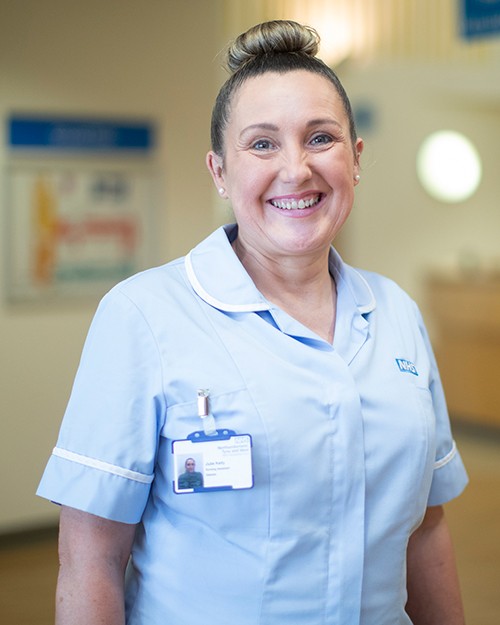
After working as a merchandiser for a number of years, Julie found herself working part time in the shop at St Nicholas Hospital in Gosforth.
Whilst there, Julie ran competitions for patients at the hospital. Nearly every week she would be asking people to guess the sweets in the jar, take part in quizzes or design their own football strip.
It was these competitions and the interactions with patients that Julie loved and led her to applying for a job as a nursing assistant.
“People in the shop would always say that I was really good with the patients and asked if I had thought about going into nursing,” Julie said. “I thought I may as well give it a try and it’s been the best move I ever made.”
Being a nursing assistant allows Julie to interact with patients and really get to know each individual and their needs. Julie works on Gibside ward, part of CNTW’s Regional Affective Disorders Inpatient Service (RADS). RADS is one of a limited number of specialist affective disorder services in the UK providing care for patients with difficult to treat mood disorders.
A typical day for Julie starts with a handover followed by assisting the nurses with taking the patients’ blood pressure. She might then go out with the patients, encouraging them to take part in daily activities.
The job is not without its challenges. “When a patient first comes on to the ward it can be difficult to engage with them and get them to do things,” Julie explained.
“But it’s an extremely rewarding job and I just love being with the patients.”
Although aspects of the job can be difficult, Julie says she is able to overcome any difficulties thanks the continuous support of her team.
“The nurses are really helpful and I feel like I’m always learning from them,” she said. “The team always supports me to improve and do well.”
For Julie, one of the best things about the job is its location and thing that stands out the most about the North East and North Cumbria is how friendly everyone is.
She added: “You can’t walk down the corridor at St Nicholas Hospital without people smiling and saying good morning to you.”
The close proximity to Newcastle and its shops and nightlife and the career opportunities are also a bonus for Julie.
Her advice for anyone thinking about a career in nursing would be to simply give it a try. She said: “I completely changed my career to become a nursing assistant and have never looked back. I would recommend it to anyone.”
Assistant Practitioner, Walkergate Park Hospital
Assistant practitioner Julie Thompson embarked on a career change after doing bank shifts in nursing and discovering she had a passion for care.
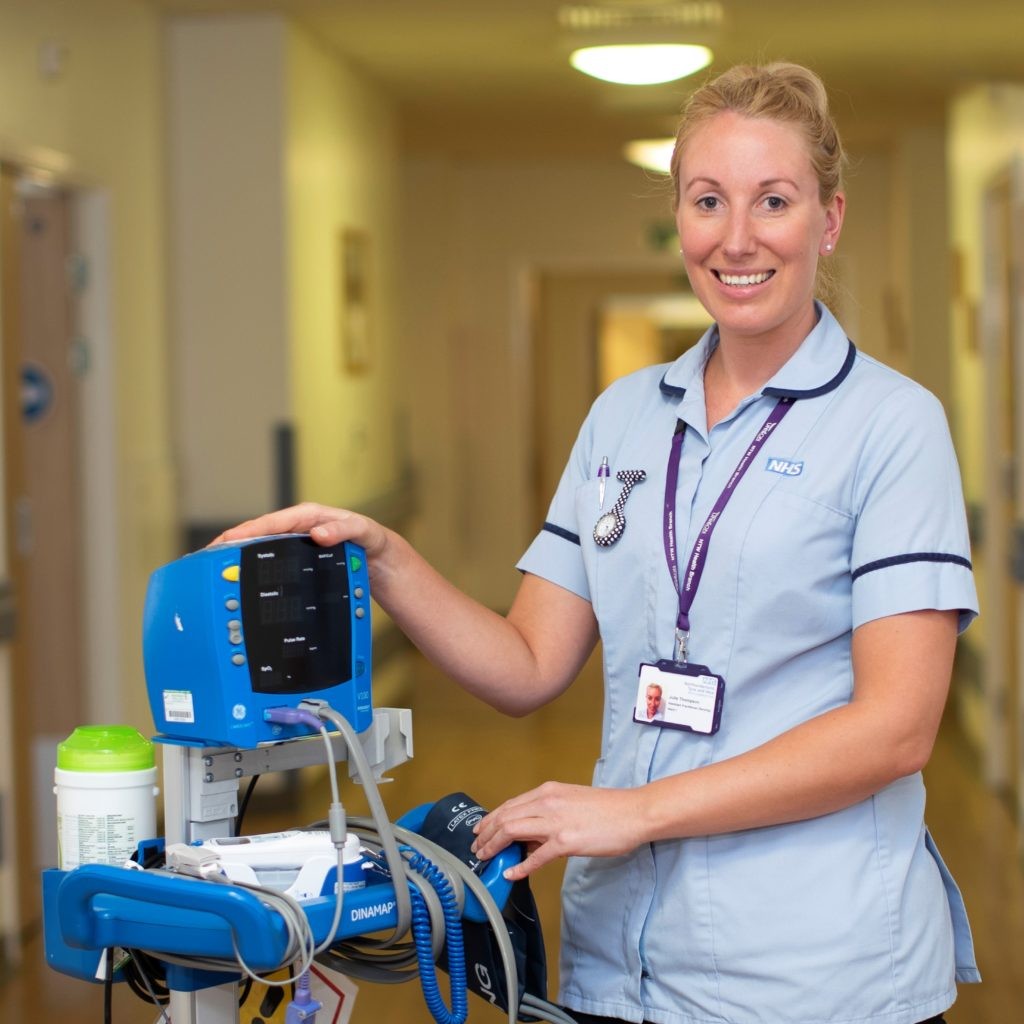
Part of Cumbria, Northumberland, Tyne and Wear NHS Foundation Trust (CNTW), a provider of mental health and learning disability services, Walkergate Park is a centre for neurorehabilitation and neuropsychiatry.
Walkergate Park helps people with a disability caused by injury or disease affecting the brain, spinal cord or muscles. It was during her time working on bank shifts that Julie found she preferred neuro nursing.
Since leaving her desk for the wards, Julie has completed a foundation degree and is now one year into a three-year Registered Nursing Apprenticeship Degree. As part of the apprenticeship, she is doing placements across the Trust alongside her current role at Walkergate Park.
While juggling her apprenticeship and work can be difficult to manage, Julie says it’s worth it for the new skills and career progression it promises.
The degrees isn’t the only training Julie has done with CNTW; she has also participated in a leadership development programme and is the Talk 1st lead on her ward, encouraging staff and service users to engage in meaningful activities.
Julie said: “The teams are really supportive and there are plenty of opportunities to develop at CNTW. I’ve always been encouraged to develop my skills.
“The ward can be really busy but I love a challenge. The best thing about working in rehab is that you get to see people reach their rehab goals to achieve the best quality life possible, enabling them to manage their condition.
“Sometimes people can come into the ward with not much hope and rehab can help them achieve their goals. There’s nothing better than seeing someone progress.”
Originally from a small village in the North East, Julie moved to Newcastle seven years ago and loves the vibrancy of the city. “I love living here,” she said.
“I like going to gigs and festivals and there’s always something going on. There are good transport links and there’s definitely lots more career opportunities here too.
“If I could describe the region in one word, it would be energetic.”
For those interested in a career in nursing Julie says to just go for it. “I left school and didn’t know what I wanted to do so ended up in admin,” she said. “I wish I knew earlier that I would love nursing and I could have gone into the career straight away.”
For Julie, one of the best things about nursing is the opportunity to branch into different areas. She said: “There are so many opportunities to make the most out of a career in nursing. My advice would be to take every opportunity that comes your way and don’t be afraid to speak up.”
Registered Nurse, Royal Victoria Hospital, Eating Disorders Unit, Newcastle
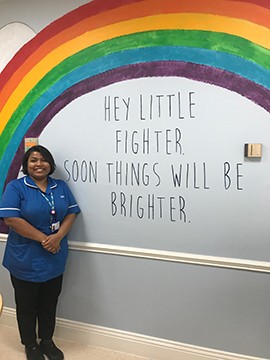
In August 2018, Monica, 35, swapped her life in India for one in Newcastle, despite having never been to the UK before.
With a Masters in mental health, Monica used to work teaching mental health nursing to students. She now works in the eating disorder unit at Newcastle’s RVI Hospital, the only inpatient unit for people with eating disorders in the North East.
In May 2017, Monica met with representatives from CNTW for an interview in India and just over a year later she was in the UK working as a nurse and living in a house share in Heaton.
Following that initial interview, Monica was told she had been accepted for the role a few weeks later and that’s when the process began. She says the process of moving “couldn’t have been easier” and that the Trust were there to support her from the very beginning.
Back home in India, Monica had to do a computer-based exam and English language tests before applying for her VISA and moving to Newcastle. She says what could have been a stressful time was made easier by the fact she knew she could talk to people from the Trust whenever she needed.
It wasn’t long before Monica was living in Heaton with other nurses from India, something she found extremely helpful. “To be living with other people who were in the same situation and who were from the same background helped put me at ease”, she said.
They may have moved out of their house share now, but Monica and the nurses she lived with have remained friends for life, regularly meeting up at church and for their children’s birthday parties. They even have a WhatsApp group.
Monica loved Heaton so much that she still lives there now with her family, who are all settling in very well.
Fifteen months on, Monica is now a fully-fledged member of the team at the RVI’s Richardson Unit. She said: “From day one everyone has been very supportive and I have made lots of new friends here.”
The team operates an open door policy which Monica says means she can approach her ward manager about anything, even allowing her to go home over the busy Christmas period to surprise her family.
Since uploading her CV onto an online jobs portal in India, Monica has never looked back. She said the opportunities on offer at CNTW are endless, from training for further qualifications and developing her skills to the option to move jobs internally.
Monica says she wouldn’t have settled as well if it wasn’t for senior nurse and international recruitment and relocation officer, Sheryle Cleave, who supported her throughout the move.
She said: “Sheryle is a real-life angel. I found it hard to begin with as I was here without my family but she was always checking to see if I was alright. It was reassuring to know I had someone looking out for me. Sheryle gave me a ray of hope.”
Monica has also praised her ward manager Tracey Welford for helping her settle. “Tracey has made me feel like a valued member of the team. She has always made me feel comfortable and has been a pillar of support.”
Monica now has a great balance between her work life and social life, “I can see myself living and working in the area for a very long time.”
Assistant Practitioner, Mitford Unit, Northgate Hospital
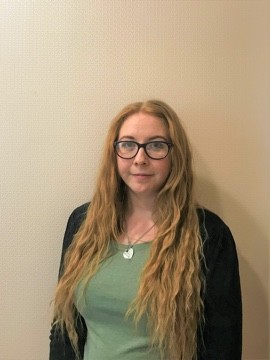
Having previously worked in a care home as a carer, Danielle has been working at CNTW for nearly six years.
Danielle studied health and social care at college and went straight into working in a care home for people with a physical disability, where she worked for six years.
While she enjoyed her job there, Danielle found that progress was particularly slow. “There isn’t much development in care homes and often people who work there have been there for years so it’s very hard to move up the career ladder”, Danielle says.
She decided moving to CNTW would be the best decision to allow her to progress further.
Since joining the Trust, Danielle has had a number of opportunities to develop, including completing a Band 4 Assistant Practitioner course with Teesside University.
As the role of practitioner has recently changed to a nursing associate, Danielle is due to undertake a top-up course to ensure her training is up to date. Once fully qualified she will be registered with the Nursing and Midwifery Council (NMC) which allows her to work in all healthcare sectors, not just mental health.
Danielle added: “You are really pushed to progress and do well at CNTW. If you want to do extra training or qualifications to further your career, the options are there.
“I’ve learnt more in this job than I could have ever imagined.”
Danielle also says CNTW gives you mandatory training that you wouldn’t normally get in the private sector. The autism services, where Danielle works, has its own bespoke induction giving staff the opportunity to learn about autism, medication, the Mental Health Act and therapies such as speech and language, something she found extremely helpful.
Danielle works on the Mitford Unit at Northgate Hospital in Morpeth, a place where she says no two days are the same. “My job focuses on supporting people with autism to promote their daily living skills,” she says.
Life on an autism inpatient unit is not without its challenges. Danielle says the hardest part of her job is the unpredictable behaviour, especially as each individual patient has very different needs.
“Parts of the job can be really hard”, Danielle admits. “But the positives far outweigh the negatives and there’s never a day that I don’t want to come into work.”
When those days are difficult, Danielle gets through with the support of her team. She said: “We’re all in it together and if ever someone on the team is feeling down we pick each other up.”
Seeing the progress that people make is another reason Danielle loves coming in to work, saying it’s wonderful to build meaningful relationships with people and see how they change over time.
For Danielle, working at Mitford has numerous benefits from being able to work in areas you feel more comfortable with or are more suited to, to the flexibility of shifts and great maternity leave.
Mitford provides a service to adults who are on the autism spectrum. The unit has been purpose built and designed for people who need highly specialised care. Mitford has a strong focus on working with families and carers to get people back home as soon as possible.
There are opportunities for nurses throughout the Trust. To find out more follow @cntw_jobs
Support Worker / Student Nurse, Bamburgh Clinic
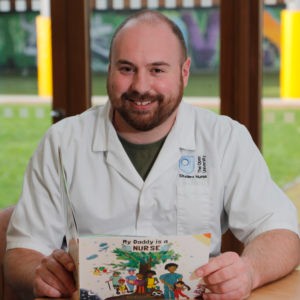
Part of Cumbria, Northumberland, Tyne and Wear NHS Foundation Trust (CNTW), a provider of mental health and learning disability services, Bamburgh Clinic is a multi-award-winning admission facility for men who have come into contact with the criminal justice system.
Steve says he feels he is able to make a difference every day.
A lot of the men in Bamburgh Clinic have been in prison and have been in and out of forensic services for a long time. It is Steve’s job to help those patients integrate into the community.
“A typical day involves taking part in activities and encouraging others,” Steve explains. “This could be something as simple as having a game of football or pool and cooking a meal.”
Steve also provides support to patients and gives them motivation, something which is vital especially to those who have been there for a long time.
While it can be a challenging environment, Steve says the job satisfaction of being able to help others makes it all worthwhile.
“Seeing people get better is the best part of the job,” he said. “There’s no better feeling than seeing someone who used to be a patient in the shops going about their new daily routine.”
There are countless times where Steve feels he has been able to make a difference but sometimes it’s the smaller things that can make the biggest impact. For example, something that stands out for Steve is showing a patient who had been in prison for a number of years how to use a smartphone to keep in touch with his family.
Alongside his role as a support worker, Steve is also training to become a registered nurse. This involves splitting his time between course work and placements.
“It can be difficult working and doing a degree,” Steve admits. “You need to be disciplined and set yourself clear deadlines.”
For Steve, there are parts of the job that can be frustrating. “The hardest thing is when you’re trying to move someone on but there’s nowhere for them to go because of a lack of facilities,” he explained.
“It’s difficult when the lads are ready to go but they can’t. They become bored when there’s a lack of progress.”
Despite some frustrations, Steve says he would encourage anyone to have a career in nursing.
He said: “If someone is interested in nursing I would tell them to go for it. I think to be a good nurse you need to have empathy and you have to want to help people.
“There’s so much choice in mental health nursing and so many different areas you can go into – that’s what I love about the job.”
Assistant Practitioner, Forensic services, Bamburgh Clinic, St. Nicholas Hospital
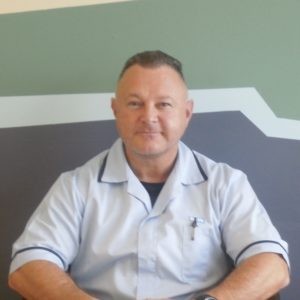
Jason began his career in the Trust as a volunteer at Castleside working with patients with organic mental health disorders, before securing a job as a nursing assistant in the Kenneth Day Unit at Northgate Hospital in Morpeth. After 12 months in the unit, he had the opportunity to study for a foundation degree.
Two years later, Jason qualified as an assistant practitioner and now works on Oswin Unit, with patients who have personality difficulties at Bamburgh Clinic, where he has worked for three years.
Bamburgh Clinic is an award-winning acute facility for men who have a mental health disorder who have also come into contact with the Criminal Justice System. Part of the Trust’s Secure Care Services, it provides admission, assessment and treatment over three wards.
Jason’s role is to build therapeutic relationships with patients. He is also part of the physical health team, which involves monitoring the patients’ physical health as well as their mental wellbeing.
He says working in secure care differs greatly from other services. Patients have come onto the ward while serving a prison sentence. They normally spend around nine months at Oswin Unit before they return back to prison, or another setting that is able to cater to their individual needs, and support their progression through the custody pathway.
Jason said: “Because of the complexities of patients on the ward, we have to monitor risks at all times.”
For Jason, the best part of working in secure care is seeing the positive changes in patients.
“When patients arrive on the ward they are very unsure of their new environment and can be very distant and withdrawn,” he explained.
“Part of my role is to build relationships based on trust. After a period of time you start to notice a difference in the patients and the way they interact with others. I find this extremely rewarding.”
Jason also cites the opportunities for development as a great aspect of the job. As well as completing a foundation degree, he is now studying on the new nursing apprentice programme which will allow him to qualify as a mental health nurse.
He added: “There are lots of opportunities if you want to expand your knowledge and skills within the Trust. I have been allowed to pursue my nursing career for which I’m really grateful.”
Being able to build those important relationships is not always easy. Trust can be seen as a weakness in prison and a lot of the patients are reluctant to let people in. it’s Jason’s job to work with patients who lack confidence and positivity and support them to gain back life and social skills.
“I’ve been involved in patient care where we have been able to apply new skills which have enabled a patient to communicate more effectively with others without feeling abandoned or forgotten about. That’s where I really feel I’ve made a difference.”
Jason says he would recommend a career in secure care to anyone. “While it can be challenging at times, the job can be extremely rewarding. You’re able to improve people’s lives.”
CNTW is a leading provider of mental health and disability services across the North East and North Cumbria.