


A member of staff or a carer can support you to read this booklet.
They will be able to answer any questions that you have.
This booklet tells you about:
- Advance Decision to Refuse Treatment
and
- Advance Statements
These are ways to plan ahead.
They can help you say what care and treatment you want in the future
Advance Decision to Refuse Treatment
Explains which treatments you do not want. Doctors should follow it if it applies to your situation.

What is an Advance Decision to Refuse Treatment?
An advance decision to refuse treatment is a choice you make about refusing treatment you may need in the future.
This could be things like this
- medicine

- an operation
- a machine to help you breathe

If you get very ill your doctor might need to give you treatment to keep you alive.
This is called life sustaining treatment.
You have a right to refuse treatment. This means you can say what treatment you do not want.

You should also say why you do not want this treatment.
This makes your advance decision clearer and easier for people to understand.

Your doctor and your care team have to listen to your advance decision.
You can talk to your doctor about your advance decision.

It is better if your advance decision is written down. This makes your advance decision clearer.
It means everyone who gives you treatment in the future can read your advance decision.
If you make an advance decision about life sustaining treatment you must write it down. You must get someone else to sign it too.

Who can make an Advance Decision?
You must be 18 years old or older.
You must be able to understand what will happen when you refuse treatment.
For example if you refuse treatment you might get more unwell or you might die.

Does your doctor have to do what you say in your Advance Decision?
Yes, as long as your advance decision has been completed properly.

After you write your Advance Decision to Refuse Treatment
It is a good idea to make copies
of your advance decision to refuse treatment and give copies to everyone in your care team.

How to change your Advance Decision to Refuse Treatment
If you want to change your advance decision you can.
You should talk to your care coordinator or lead professional.

They can help you change your advance decision to refuse treatment.
You can also get help from an advocate.
An advocate is someone who supports you to speak up if speaking up is difficult for you.
Advance Statement
An advance statement tells people what matters to you and how you want to be cared for.
Doctors should listen, but it is not the law.
What is an Advance Statement?
An advance statement tells your care team what care and treatment you would prefer in the future.
It is helpful if your advance statement is written down.

What should I write about?
You should say what you would like to happen if you get unwell.
You can write about anything that is important to you.
This could be things like:

- If you get unwell who should we contact?
- If you get unwell who should we contact?
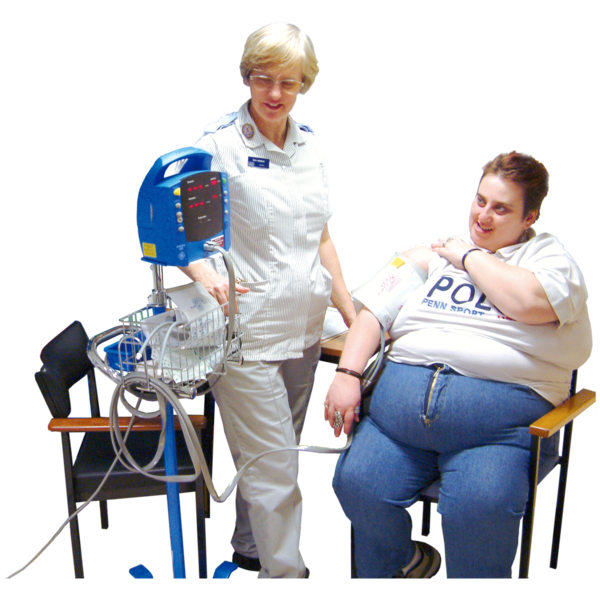
- If there is any medicine or treatment that you do not like.

- If you need special food. For example vegetarian food, kosher food, food with less sugar or food with less fat.

- Who will look after your pets or children.

Who can make an Advance Statement?
You need to be 16 years old or older.
You should be able to tell people what you want for your care and treatment. This can be what you like and don’t like.
Does your doctor have to do what you say in your Advance Statement?
Your doctor and your care team will try to listen to what you want.
If your advance statement is clear it is easier for your care team to understand.
If you ask for certain medicine your doctor does not have to give it to you. Your doctor will try to give you medicine and treatment that is right for you.
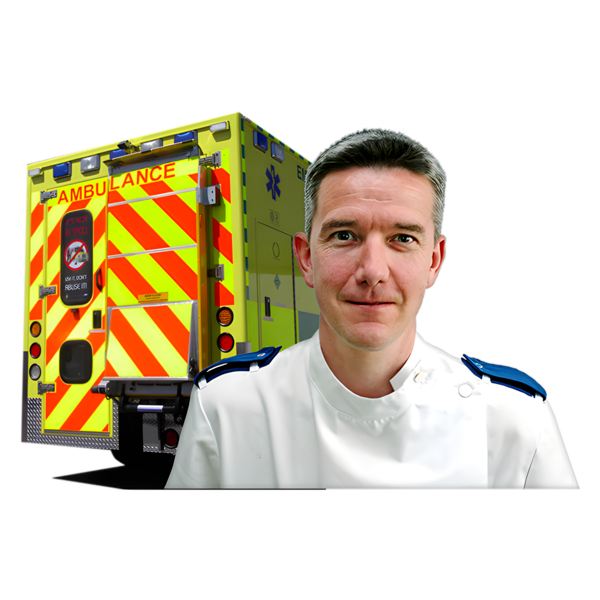
If you ask to go to a certain hospital your care team will try to do this. You might not be able to go to the exact hospital you want.

Why should you make an Advance Statement?
If you get very unwell in the future you might not be able to tell people what you want.
It might be harder for you to make choices when you are unwell.
Your doctor might need to give you treatment before they can talk to you.

Your advance statement tells your doctor what care or treatment you would like.
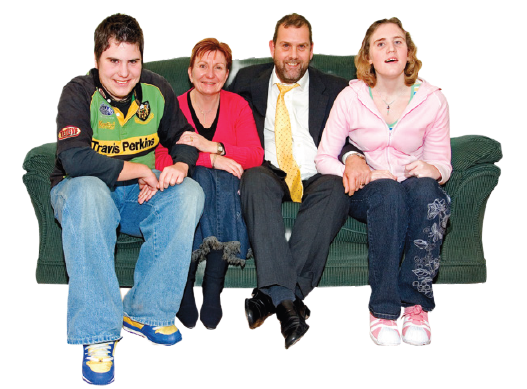
Who can help you?
Anyone who you trust can help you to write your advance statement.
This could be someone like

- Your mum or dad
- Your friend
- Your care coordinator or lead professional
- An advocate
You can write your advance statement or advance decision on paper. Or you can fill in a form instead.
Your care coordinator or lead professional can give you the form to fill in.
After you write your Advance Statement
It is a good idea to make copies of your advance statement and give copies to everyone in your care team.
If you write about someone in your advance statement you should tell them.

For example if you go to hospital you might want your friend to check your house is ok.
You should make sure that this is ok with your friend first.

Give your friend a copy of your advance statement so they know what you want them to do.
How to change your Advance Statement
If you want to change your advance statement you can.
You should talk to your
care coordinator or lead professional.
They can help you change your advance statement.
You can also get help from an advocate.
An advocate is someone who supports you to speak up if speaking up is difficult for you.

Problems, complaints or suggestions
If you are unhappy about your support you should tell your care coordinator or lead professional. They will help you to make a complaint.

Cumbria, Northumberland, Tyne and Wear NHS Foundation Trust has a complaints policy. We will give you a leaflet about how to make a complaint.
If you think that we could improve our service then please let a nurse know your idea.

Or you can call the Patient Advice and Liaison Service (PALS)
South of Tyne
0800 328 4397
North of Tyne
0800 0320202

Other people who can help you
Contact the Mental Health Legislation Office for more information about advance decisions and advance statements.
Mental Health Legislation Office
St Nicholas Hospital
Jubilee Road
Gosforth,
Newcastle upon Tyne
NE3 3XT
0191 246 6745
What words mean
care coordinator or lead professional
If you have complex needs these staff members will plan the support you get from different professionals.
care team
This is everyone who gives you care and treatment. For example doctors, nurses, psychologists, social workers and other people.
life sustaining treatment
If you are very unwell you might need life sustaining treatment to keep you alive. This could be medicine, an operation or a machine to help you breathe. If you refuse life sustaining treatment you might die.
refuse treatment
This means that you say you do not want the treatment.
What words mean
care coordinator or lead professional
If you have complex needs these staff members will plan the support you get from different professionals.
care team
This is everyone who gives you care and treatment. For example doctors, nurses, psychologists, social workers and other people.
life sustaining treatment
If you are very unwell you might need life sustaining treatment to keep you alive. This could be medicine, an operation or a machine to help you breathe. If you refuse life sustaining treatment you might die.
refuse treatment
This means that you say you do not want the treatment.

Further information about the content, reference sources or production of this leaflet can be obtained from the Patient Information Centre. If you would like to tell us what you think
about this leaflet please get in touch.
This information can be made available in a range of formats on request (Braille, audio, larger print, BSL or other languages). Please contact the Patient Information Centre on telephone
0191 246 7288
Published by the Patient Information Centre
2026 Copyright: Cumbria, Northumberland, Tyne and Wear
NHS Foundation Trust
Ref: PIC/690/0326 March 2026 V7
Review date 2029
Website: www.cntw.nhs.uk
Find us on social media, search for CNTW