


A member of staff or a carer can support you to read this booklet. They will be able to answer any questions that you have.
Introduction
This leaflet provides you with information about the Sunderland Learning Disability Community Treatment Team Autism Diagnostic Service. If you are not sure about anything in this leaflet, please get in touch with the team at Monkwearmouth Hospital. Contact details are on the back of this leaflet.
What we do
We assess people who are already receiving treatment from the Sunderland Learning Disability Community Treatment Team when we think someone might have autism.

What is autism?
Autism starts when a person is born and stays with them for their whole life.
For more information, please see the leaflet,
What is Autism?
The assessment
The assessment will be with professionals from the Sunderland Learning Disability Community Treatment Team.

This could be a nurse, a psychologist, an occupational therapist or a speech and language therapist.
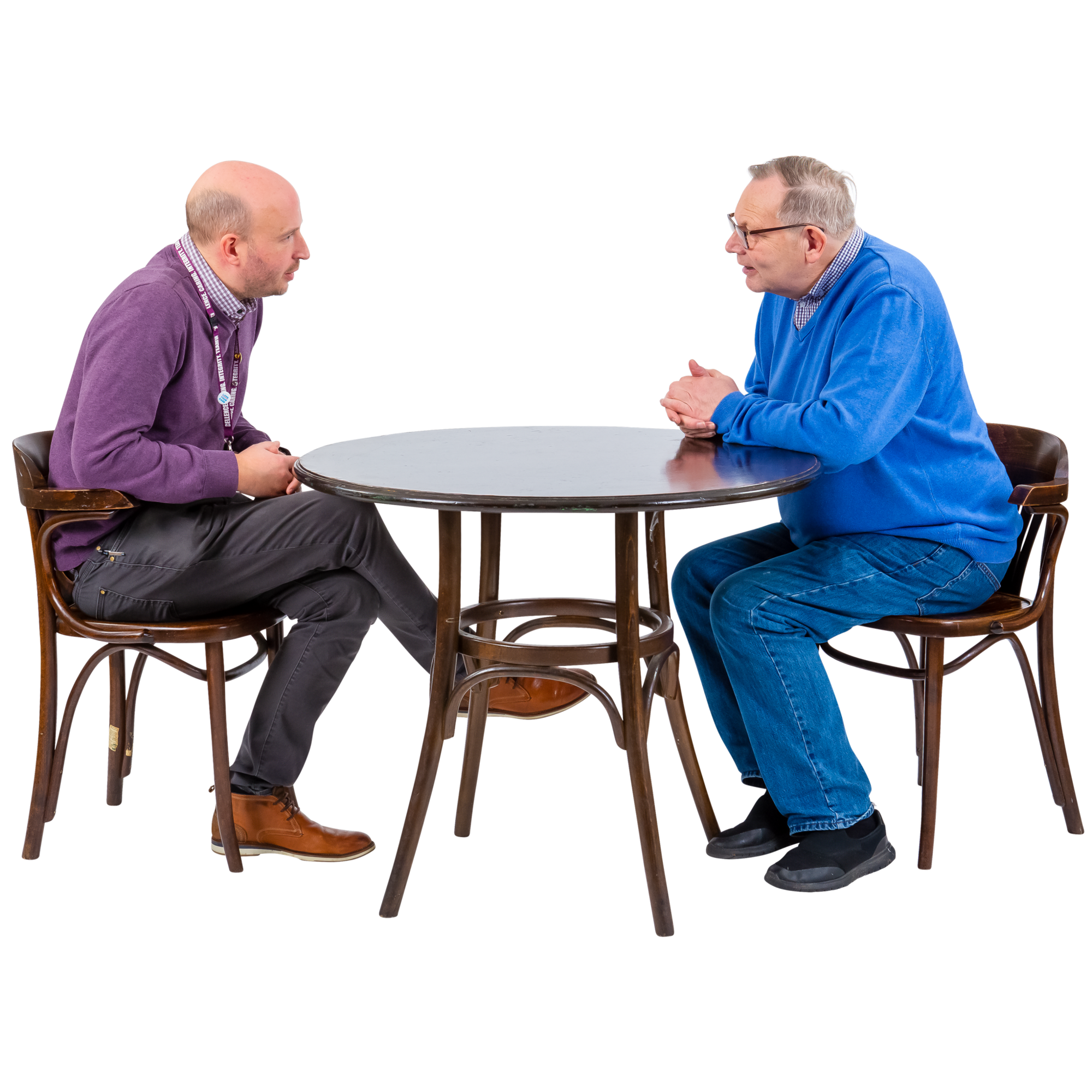
Two people from the team will come and talk to you and someone who knows you well.
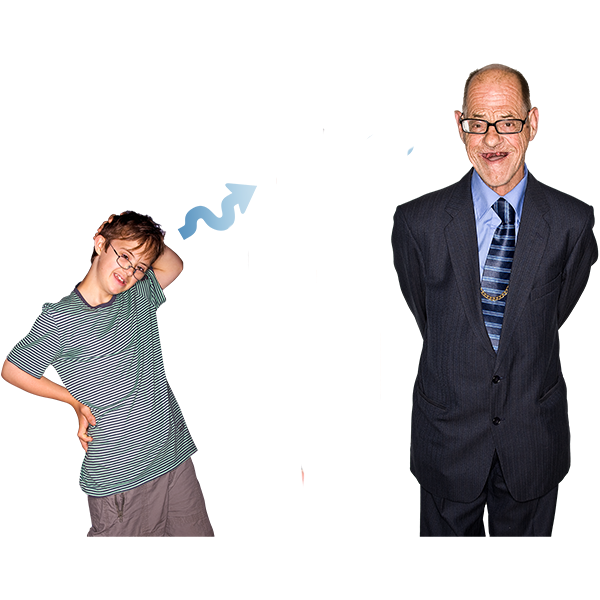
They will ask about when you were a child and how you are now.

Two people from the team might come and see you to do activities. This could be in your own home or another place you go, like your college or day centre.

What happens next?
After your assessment the team will meet to decide whether they think you have autism or not. We may meet with other professionals for advice.

We might need more information to see if you have autism. If we do, we will contact you.
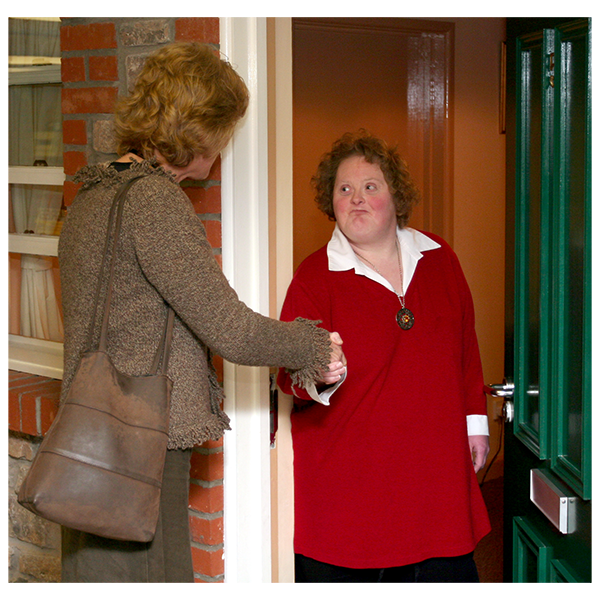
When we have enough information, we will visit you to let you know if you have autism or not. You can have someone with you if that would be helpful.

We will also send a letter.
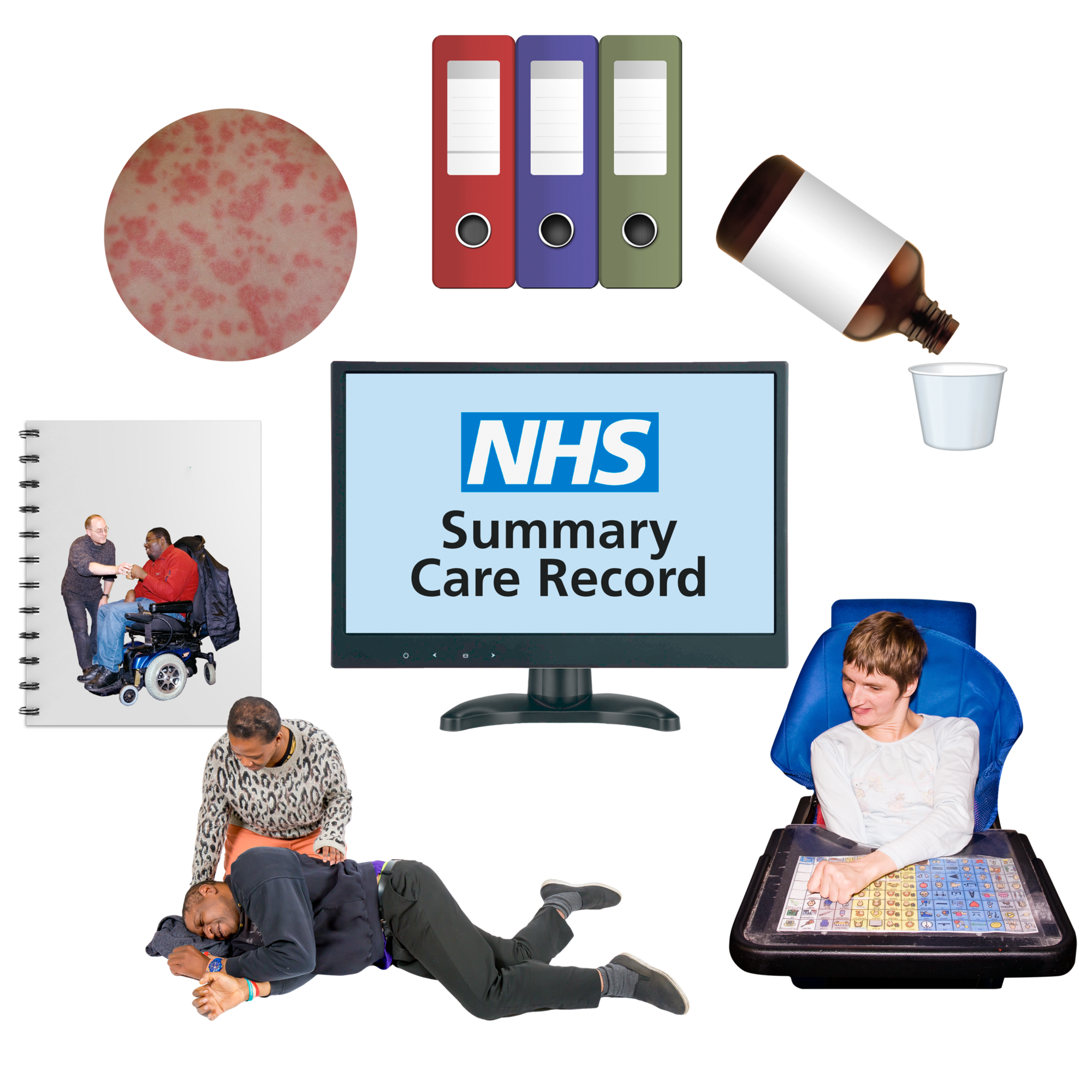
We will record on your health record if you have autism. This is so other professionals can see and so they will know the best way to help you.

After diagnosis
We will give you some information about where you can find out more about autism and things that might help you.

Problems, complaints or suggestions
Cumbria, Northumberland, Tyne and Wear NHS Foundation Trust has a complaints policy. If you want to complain we will give you a leaflet to explain how to, or you can talk to a member of staff.
If you think there are things we could do to make our service better please tell a member of the team.
How to contact us
Autism Diagnostic Service
Sunderland Learning Disability Community Treatment Team
Monkwearmouth Hospital
Newcastle Road
Sunderland
SR5 1NB
Telephone: 0191 566 5630

Further information about the content, reference sources or production of this leaflet can be obtained from the Patient Information Centre. If you would like to tell us what you think about this leaflet please get in touch.
This information can be made available in a range of formats on request (Braille, audio, larger print, BSL or other languages). Please contact the Patient Information Centre on 0191 246 7288.
Published by the Patient Information Centre
2025 Copyright: Cumbria, Northumberland, Tyne and Wear NHS Foundation Trust
Ref: PIC/922/0125 January 2025 V1
Website: www.cntw.nhs.uk
Telephone: 0191 246 7288
Review date 2028