Quality Approved Resource logoThis leaflet may not be reproduced in whole or in part, without the permission of Cumbria, Northumberland, Tyne and Wear NHS Foundation Trust.

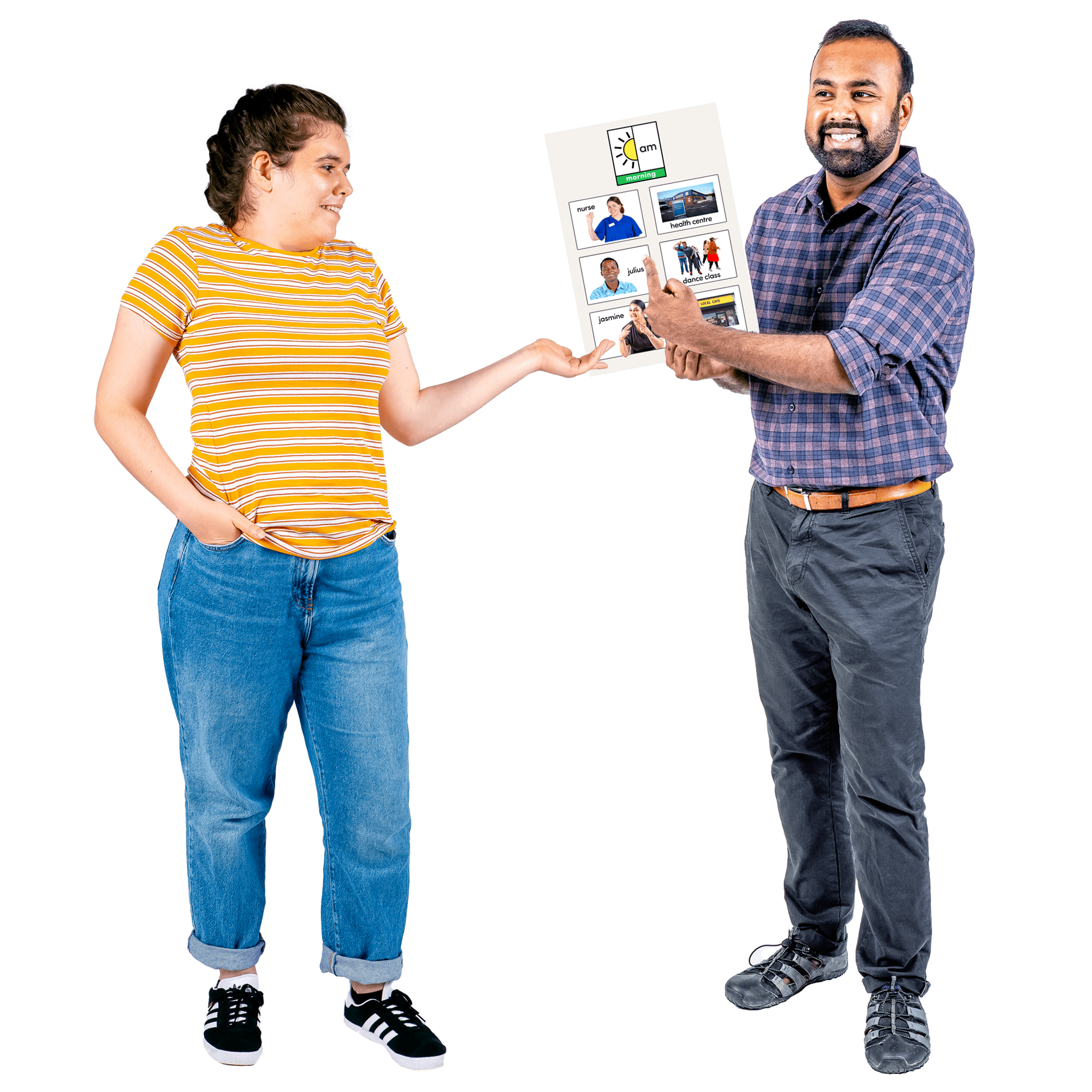
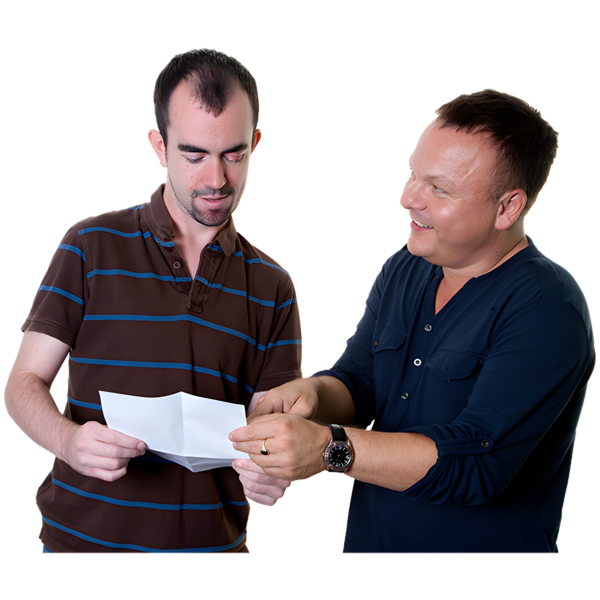
Two people holding a leaflet. One of them is pointing to it and talking to the other person.

A member of staff or a carer can support you to read this booklet. They will be able to answer any questions that you have.
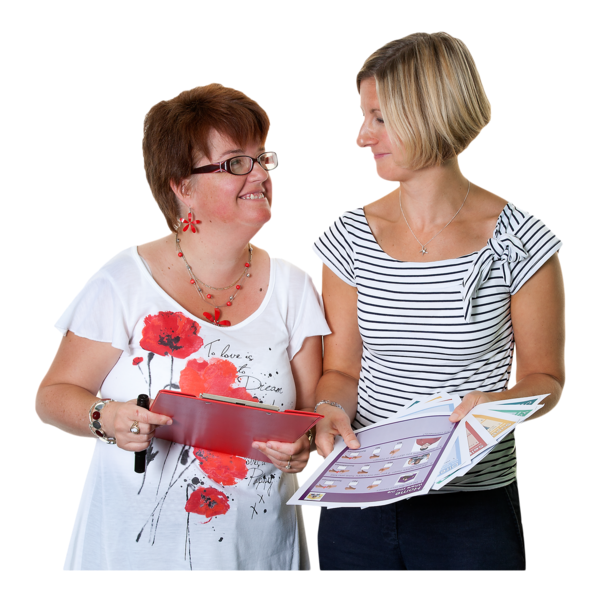
Two women discussing while holding a tablet and papers.

Introduction

This leaflet tells you about autism and being autistic. If you have questions, contact the team at Monkwearmouth Hospital. You can find their contact details on the back of the leaflet.
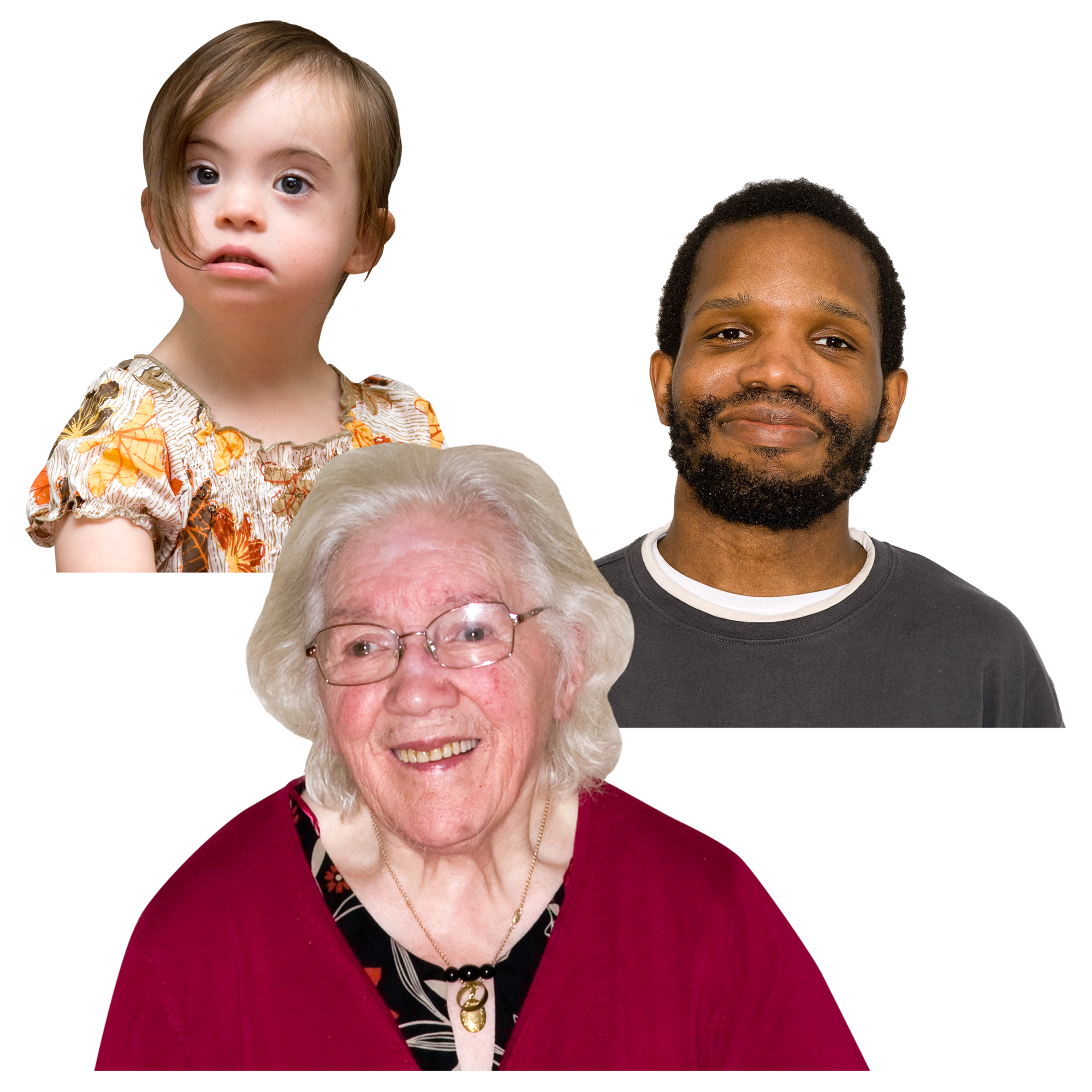
A young girl with Down syndrome, a smiling man, and a joyful elderly woman.

What is autism?

Some people are born with autism and it stays with them their whole life.

A group of seven diverse individuals posing together with happy expressions.

Every autistic person is different, but they might not always understand why.
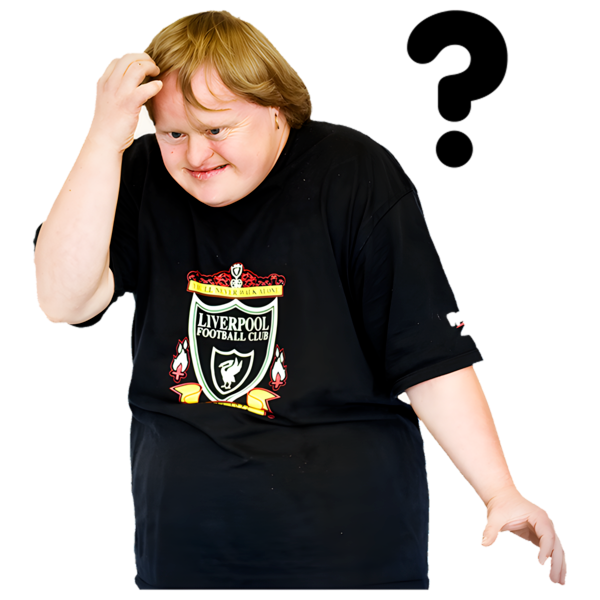
Person in a black Liverpool Football Club T-shirt scratching their head.

Not everybody knows they are autistic.
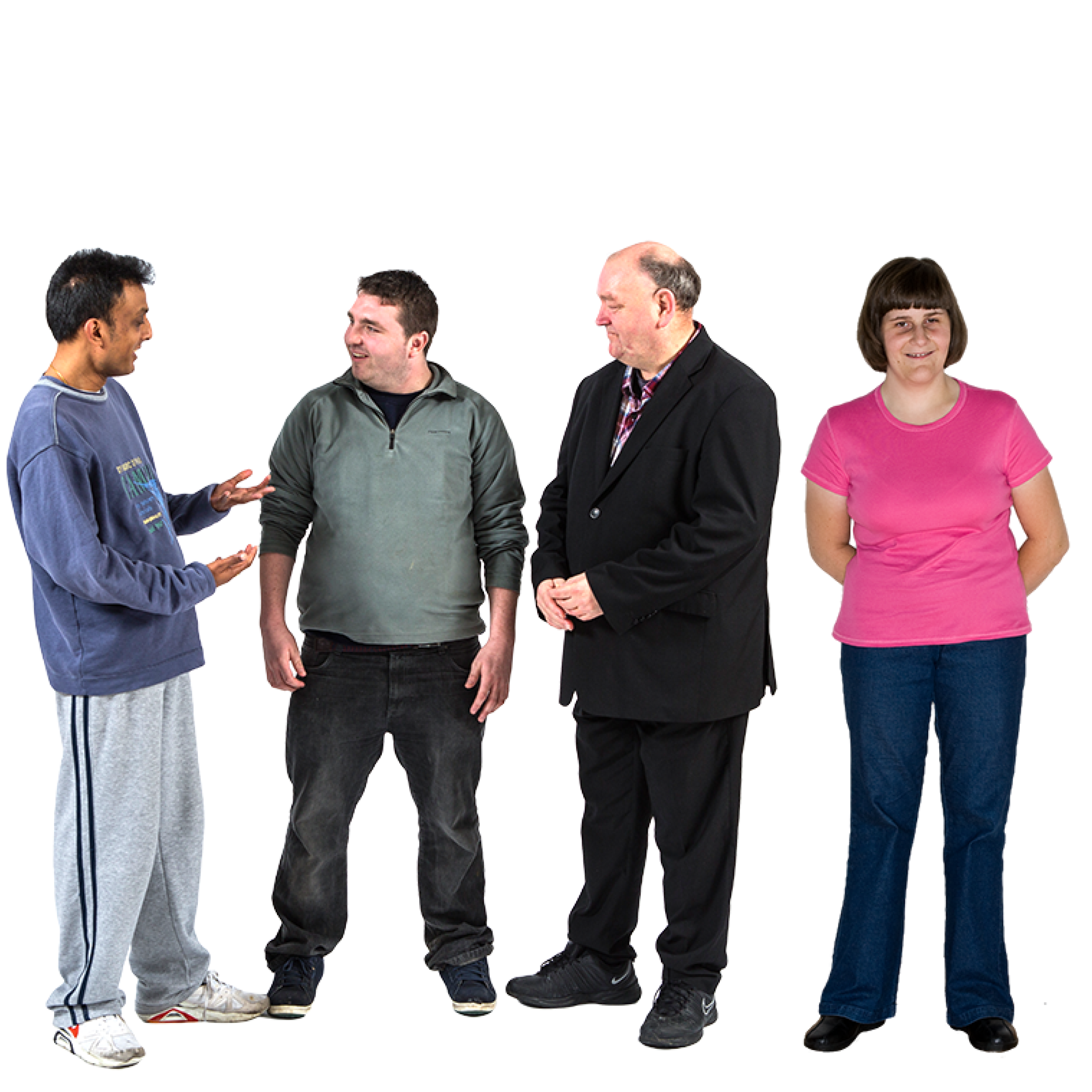
Three men standing together, one in casual clothes, another in a green pullover, and a third in a black suit, engaged in conversation. A woman standing  next to them in a pink shirt and blue jeans with her hands behind her back.

More men than women are diagnosed with autism. Women can be autistic too.
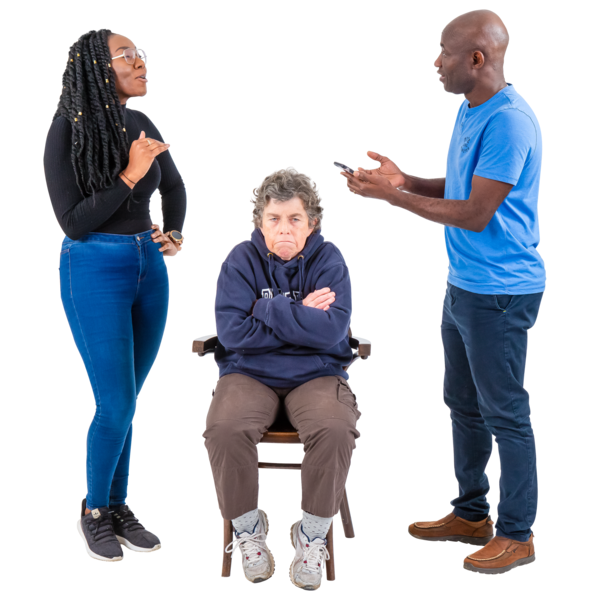
Three people having a heated discussion, with an older person seated in the center and two younger individuals standing on either side.

Autistic people have differences with social skills and communication.
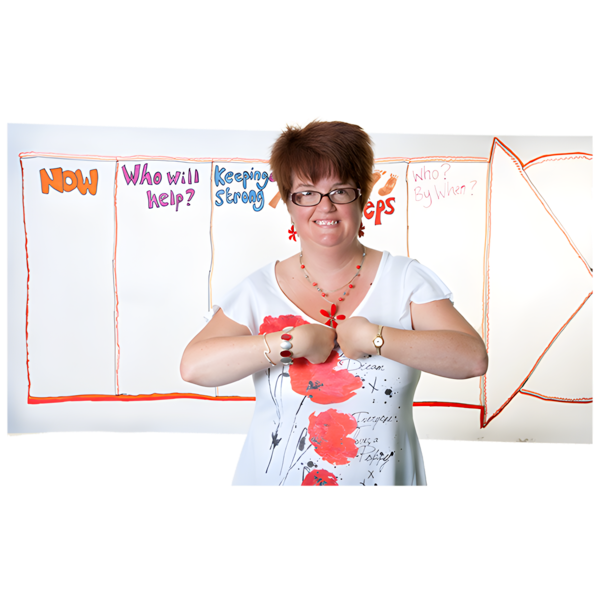
Woman standing in front of a whiteboard with planning sections.

Autistic people often like their own routine and structure to feel safe and secure.

Person sitting with head in hands, surrounded by bright lights and loudspeakers.

Many autistic people have differences with their senses. For example, how they feel, see, hear, smell and taste.
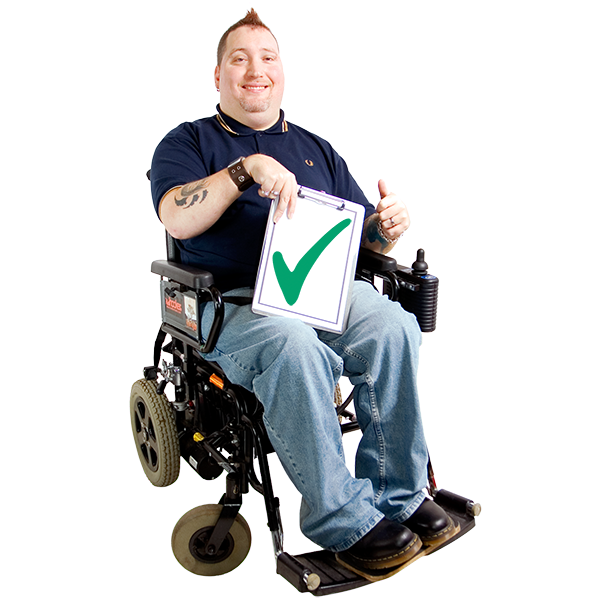
Person in a wheelchair holding a clipboard with a green check mark, smiling and giving a thumbs-up.

Differences and strengths

Autistic people can have lots of strengths including:

Man looking through a magnifying glass while wearing a blue checkered shirt.

Noticing details.

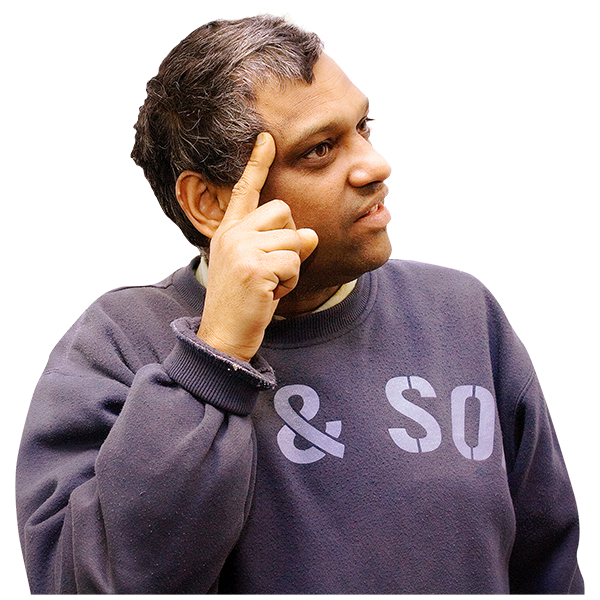
Man in a dark sweatshirt with '& SO' printed on it, resting his index finger on his temple in a thoughtful pose.

Remembering facts well.

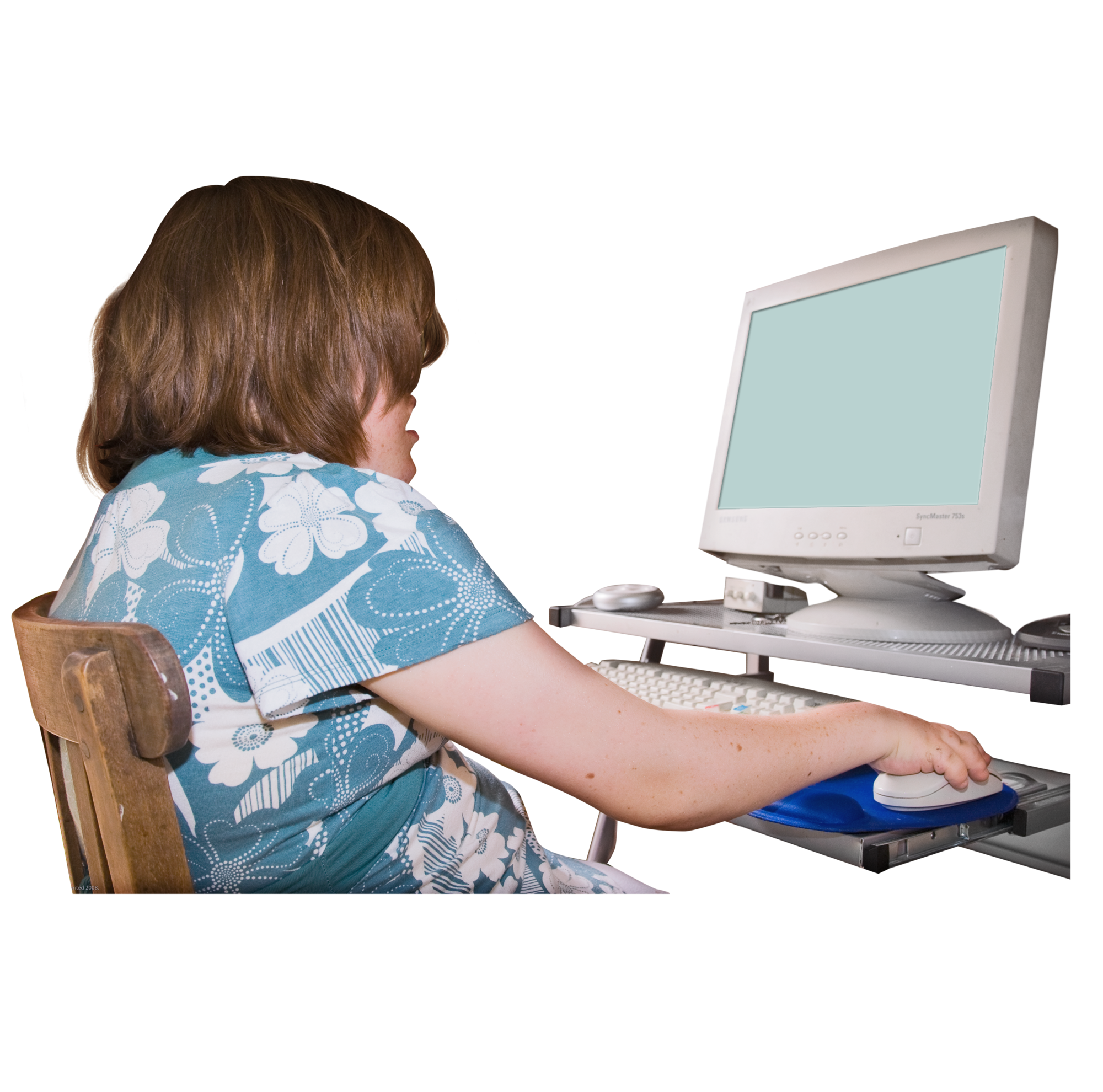
A person in a floral shirt using a desktop computer with an adaptive keyboard.

Staying focused.

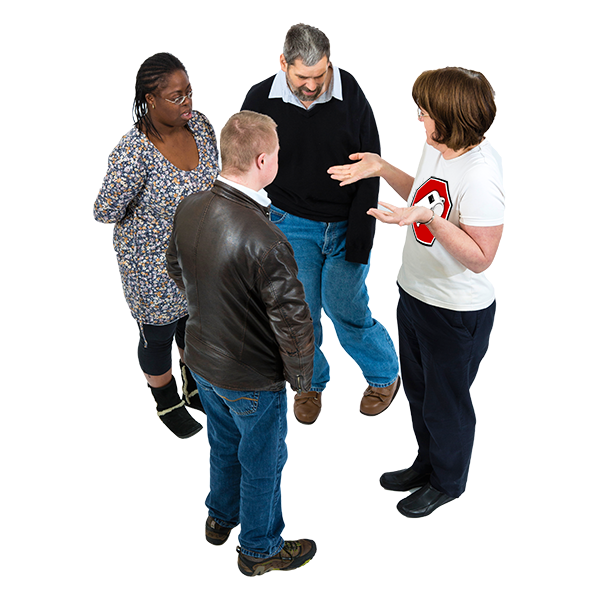
Four adults standing in a circle having a discussion.

Saying what they think.

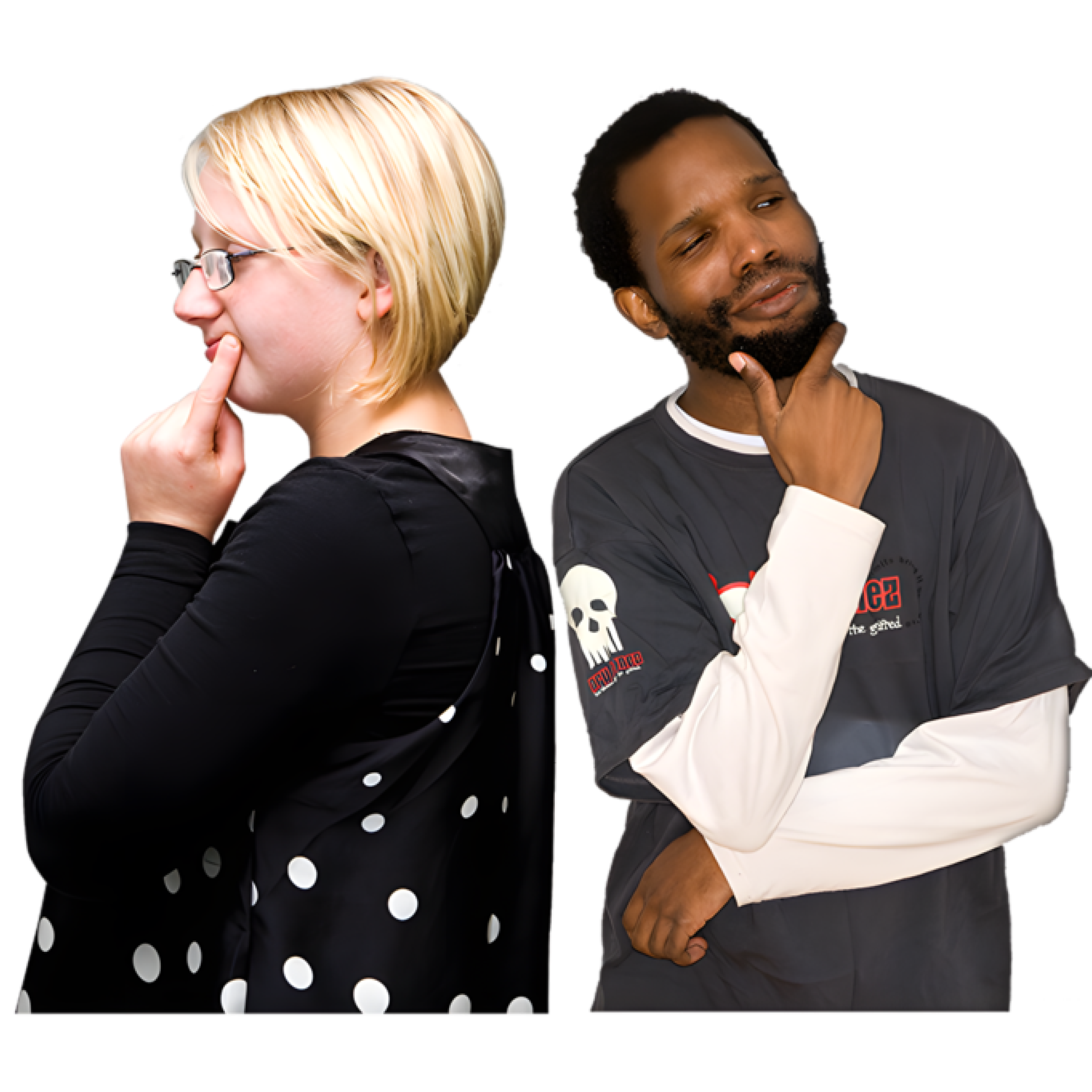
Person with blonde hair and glasses in profile, touching their mouth thoughtfully, standing with their back to with a man with a thoughtful expression, wearing a black t-shirt over a white long-sleeve shirt.

Seeing things in a different way.

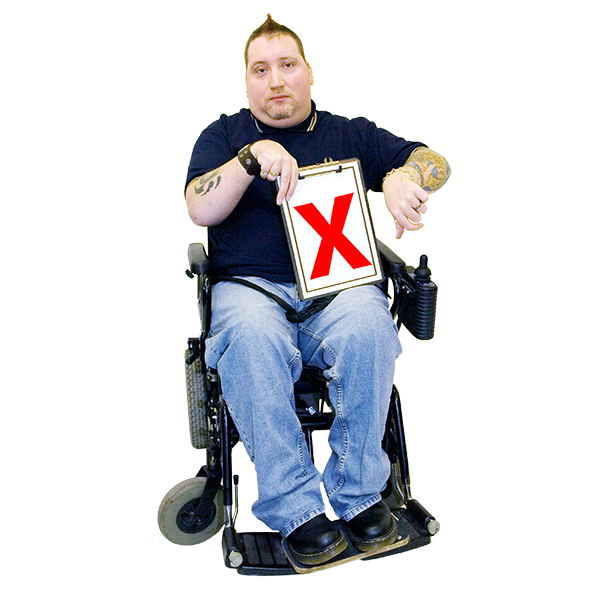
Person in a wheelchair holding a clipboard with a red 'X' symbol.

Differences and challenges

Autistic people can find some things more difficult:

Three people interacting, with one woman sitting on a chair and two people standing and talking.

Making friends.
 

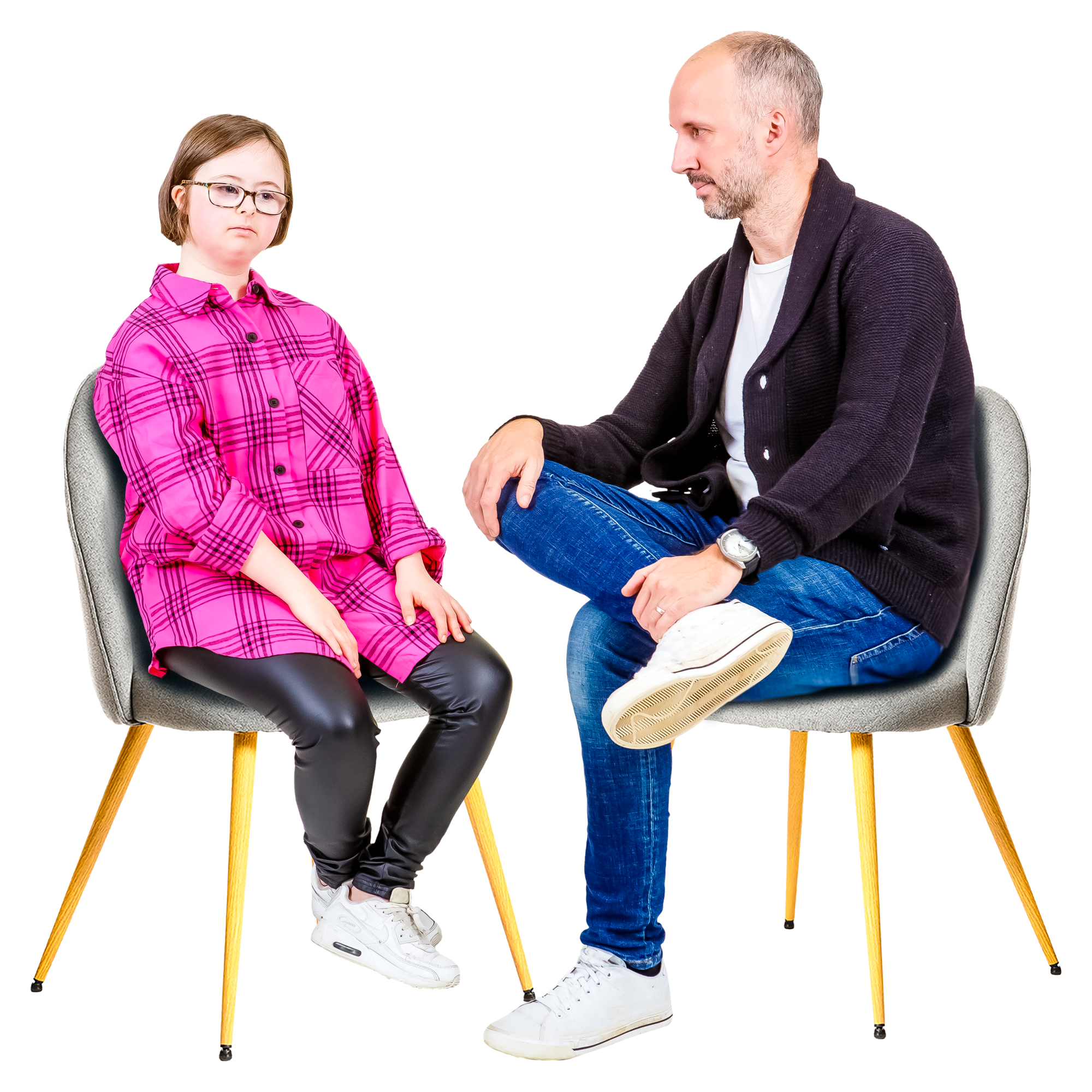
A young girl in a pink plaid shirt and an older man in a black cardigan sitting on chairs, engaged in conversation.

Knowing what to say.

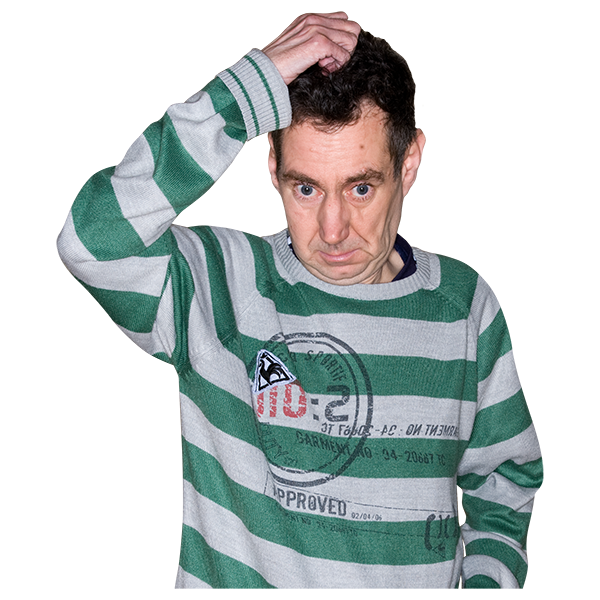
Man in a green and white striped sweater scratching his head.

Understanding.

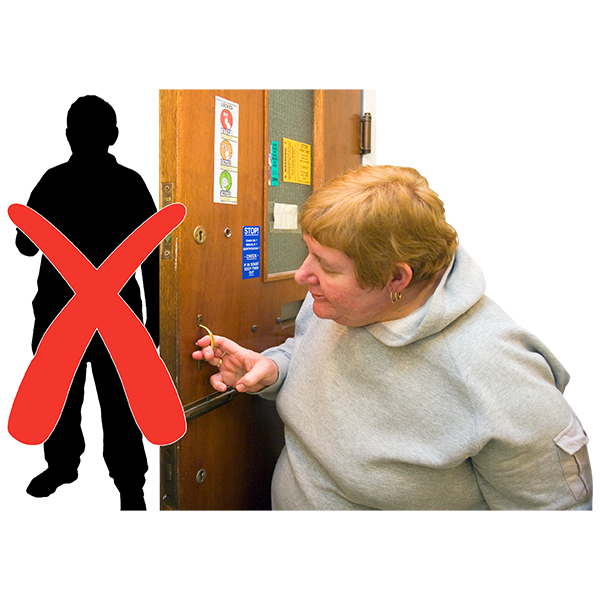
An older woman trying to unlock a door with a red 'X' indicating an error.

Knowing who to trust.

Two people interacting with one holding a large sheet of photographs.

Coping with change.

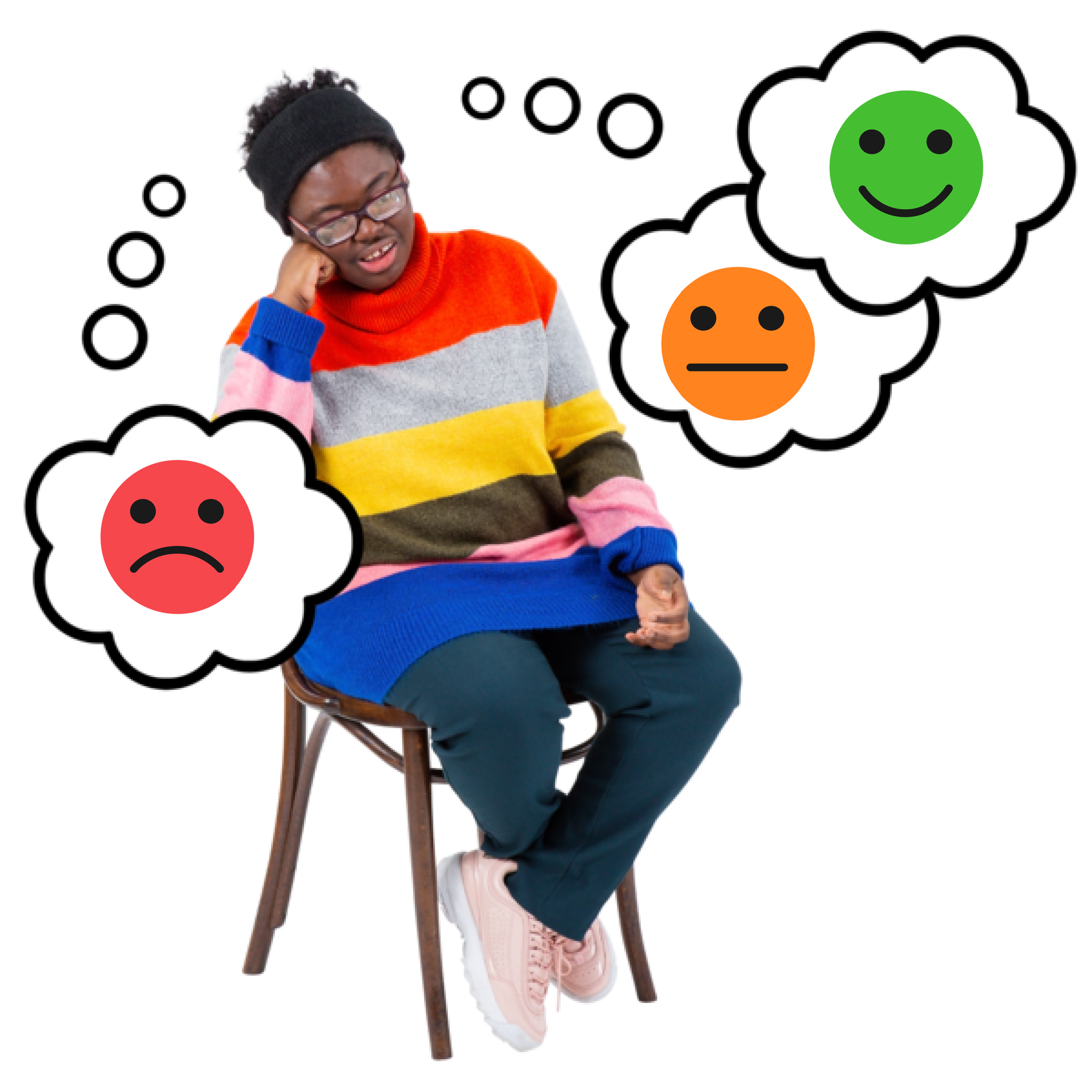
Person in a colorful sweater sitting on a chair with three thought bubbles. One with a green smiley face emoji, one with an orange face emoji with a neutral expression and one with a red sad face emoji with a frown.

Understanding other people’s emotions and difference showing emotions.
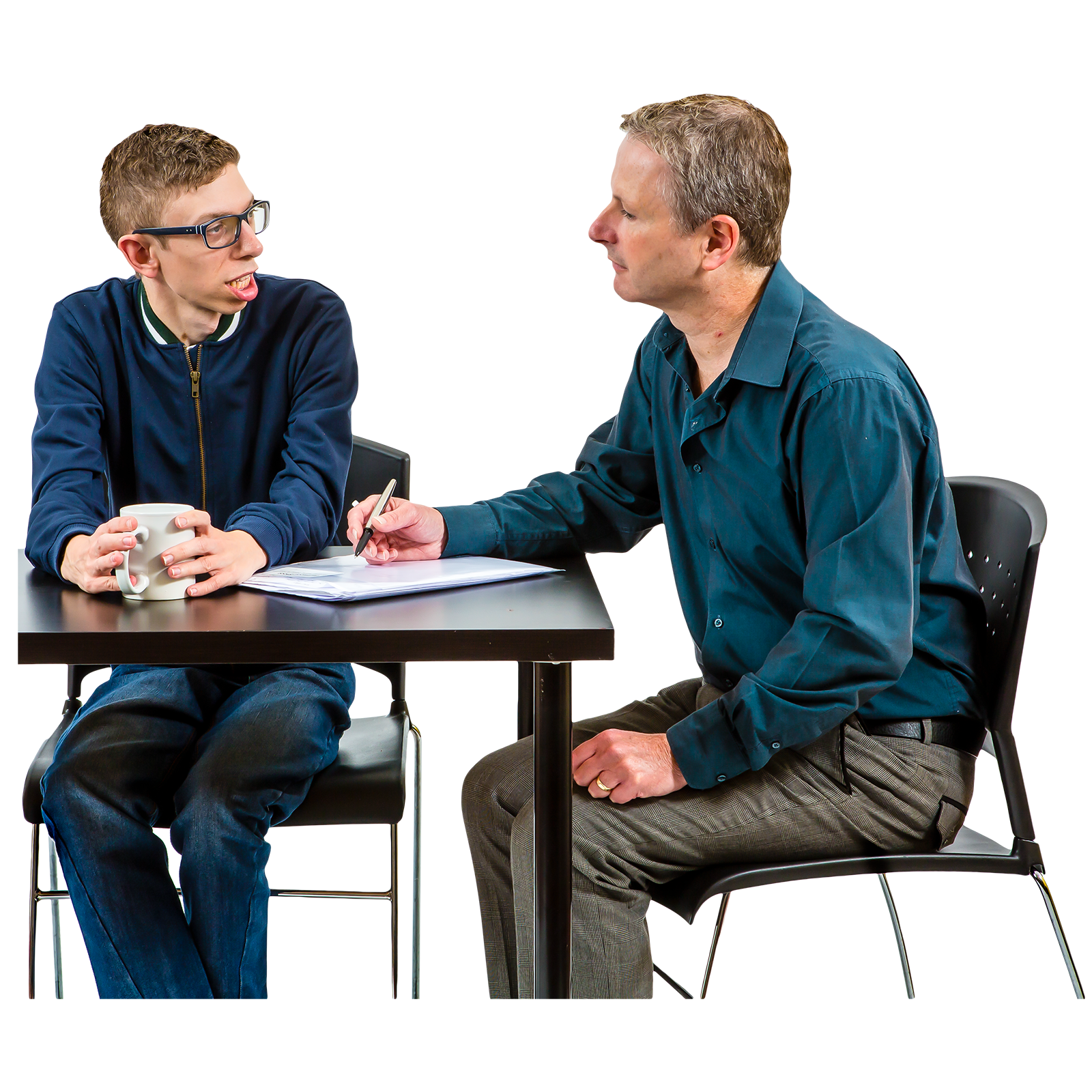
Two people engaged in conversation at a table; one holding a mug, the other writing.

Assessment

If you or someone you know, thinks you might be autistic, you can ask about an assessment.
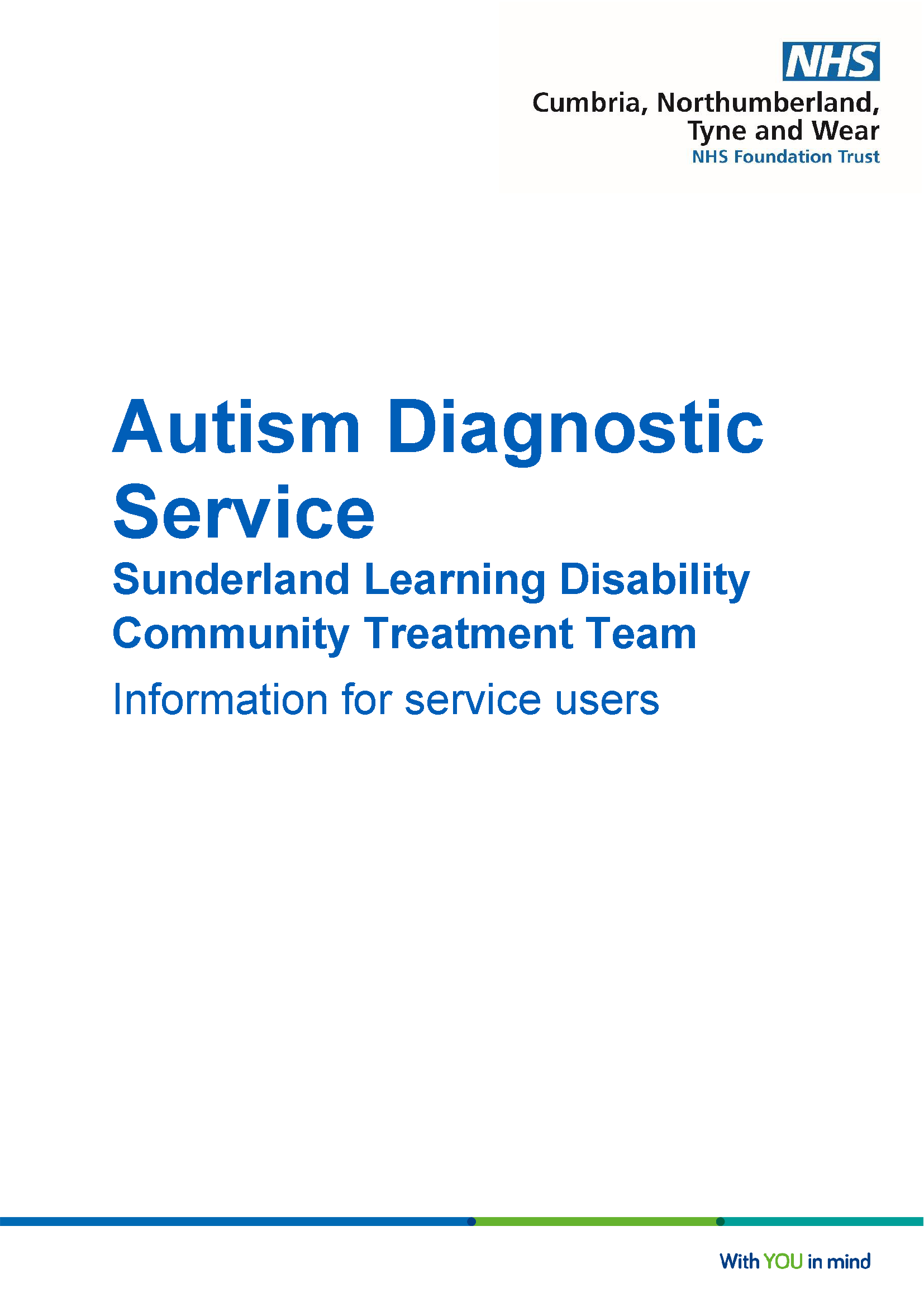
Front cover of the Autism Diagnostic Service leaflet

For more information about assessment see the Autism Diagnostic Service leaflet

Laptop with the word 'click' and a cursor on the screen.

Further information

There are some good websites which may be useful:
National Autistic Society
Autism Matters
North East Autism Society
The NHS website
Smartphone displaying an active call interface with options.

How to contact us

Autism Diagnostic Service
Sunderland Learning Disability Community Treatment Team
Monkwearmouth Hospital
Newcastle Road
Sunderland
SR5 1NB
Telephone: 0191 566 5630

Photosymbols Logo

Further information about the content, reference sources or production of this leaflet can be obtained from the Patient Information Centre. If you would like to tell us what you think about this leaflet please get in touch.

This information can be made available in a range of formats on request (Braille, audio, larger print, BSL or other languages). Please contact the Patient Information Centre on 0191 246 7288.

Published by the Patient Information Centre
2025 Copyright: Cumbria, Northumberland, Tyne and Wear NHS Foundation Trust
Ref, PIC/921/0125 January 2025 V1
Website: www.cntw.nhs.uk
Telephone: 0191 246 7288
Review date 2028