
Who is this booklet for?
This booklet is designed to help you make healthier choices without straining your budget. Inside, you'll find a variety of delicious and low-cost recipes, practical tips for meal preparation, and money saving suggestions all aimed at helping you create nutritious meals and snacks that don’t break the bank.
Here’s what you’ll discover:
- Budget-Friendly Recipes
Simple, tasty meals that are both nourishing and easy on your wallet. - Money-Saving Tips
Smart shopping strategies, ingredient storage ideas, and efficient cooking techniques to help you spend less. - Healthy Snacks
Quick and satisfying snacks that keep you fuelled throughout the day. - Meal Preparation Hacks
Time-saving methods for preparing meals in advance, so you can enjoy healthy food all week long.
Whether you’re cooking for one or feeding a family, this guide will help you make healthier food choices while staying within your budget.
Eating a healthy, balanced diet is needed for good health and nutrition and can help to:
- Prevent disease
- Prevent nutritional deficiencies
- Reduce the risk of high blood pressure
- Keep bones and teeth strong
- Achieve and/or maintain a healthy weight
- Reduces risk of type 2 diabetes
- Helps manage stress
- Improve self-esteem
- Gives you more energy to do things you enjoy
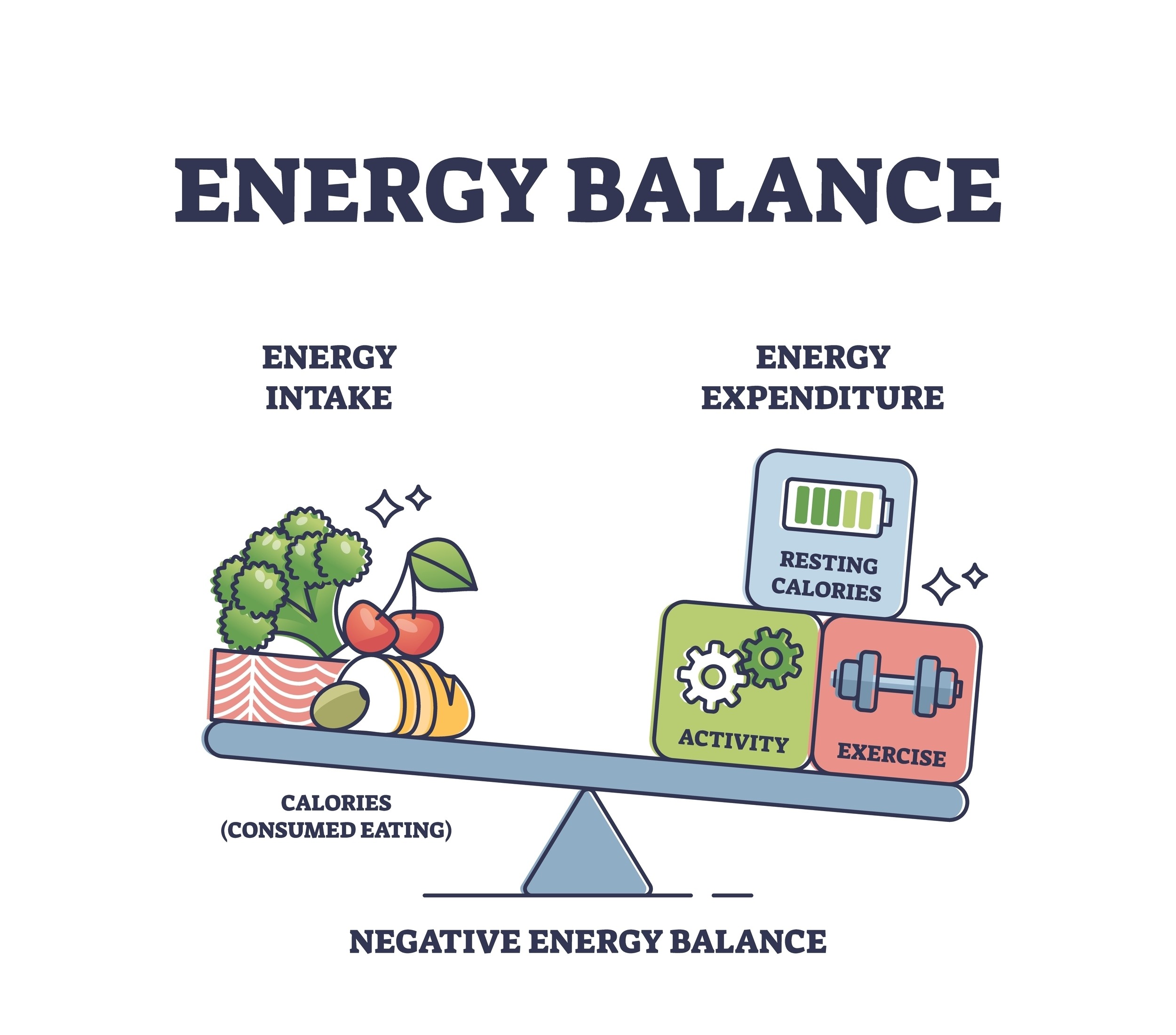
Our energy intake (what we eat and drink) needs to be balanced with our energy output (how much activity we do) for us to maintain our weight.
- If our energy intake is higher than our energy output, then we will gain weight.
- If our energy input is lower than our energy output, then we will lose weight.
Adults usually need between approx. 2000 to 2500kcal per day to maintain a healthy weight (but this varies depending on how much activity you do each day).
In the UK, we use the ‘Eatwell Guide’ as guidance for a healthy diet, to make sure that our bodies are getting all the nutrients they need to function effectively.
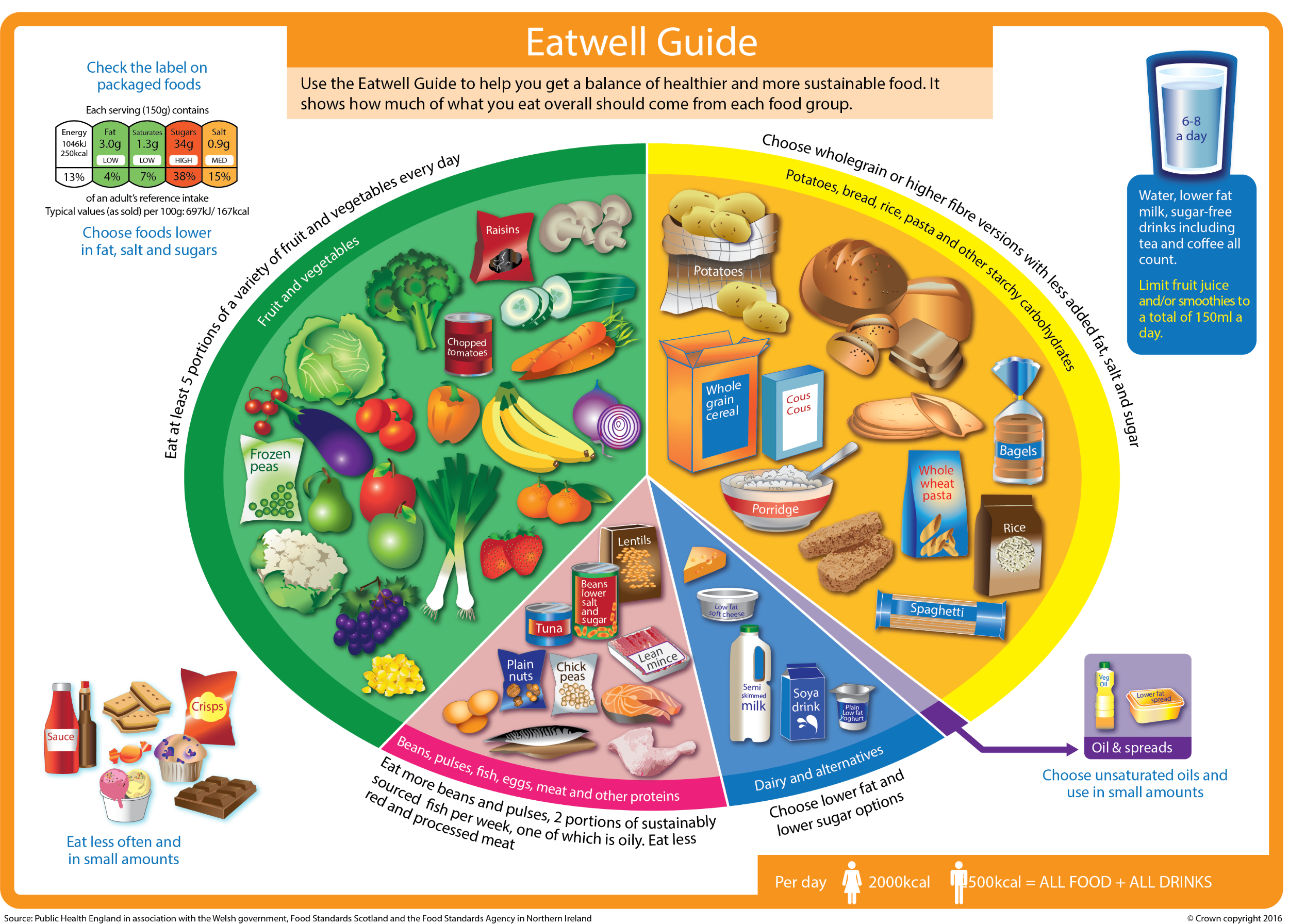
The Eatwell Guide suggests having three meals per day, incorporating the following food groups:
- fruit and vegetables
- carbohydrates
- dairy and alternatives
- beans, pulses, fish, eggs, meat and other proteins
- oils and spreads
The Eatwell guide suggests limiting your intake of foods that are high in fat, sugar and salt and to have these in smaller amounts, less often.
It also suggests 6 to 8 glasses of fluid per day to keep hydrated.
The Eat Well Guide – Crown Copyright - OHID in association with the Welsh government, Food Standards Scotland and the Food Standards Agency in Northern Ireland.
Physical activity is also important when living a healthy lifestyle. It is recommended that adults do at least:
- 150 minutes of moderate intensity activity per week or 75 minutes of vigorous intensity activity per week
- This activity should be spread evenly over 4-5 days per week, or every day
- You should also reduce time spent sitting or lying down and break up long periods of time of not moving with some activity.
More and more people are finding it difficult to eat healthily due to rising living costs and are having to choose unhealthy alternatives due to price. But it is possible to eat a healthy diet on a budget.
Throughout this resource we will be giving you some hints and tips on how you can keep your cupboards full of healthy and nutritious foods, whilst still sticking to your budget. And as a bonus there are lots of tasty, healthy recipes to try.
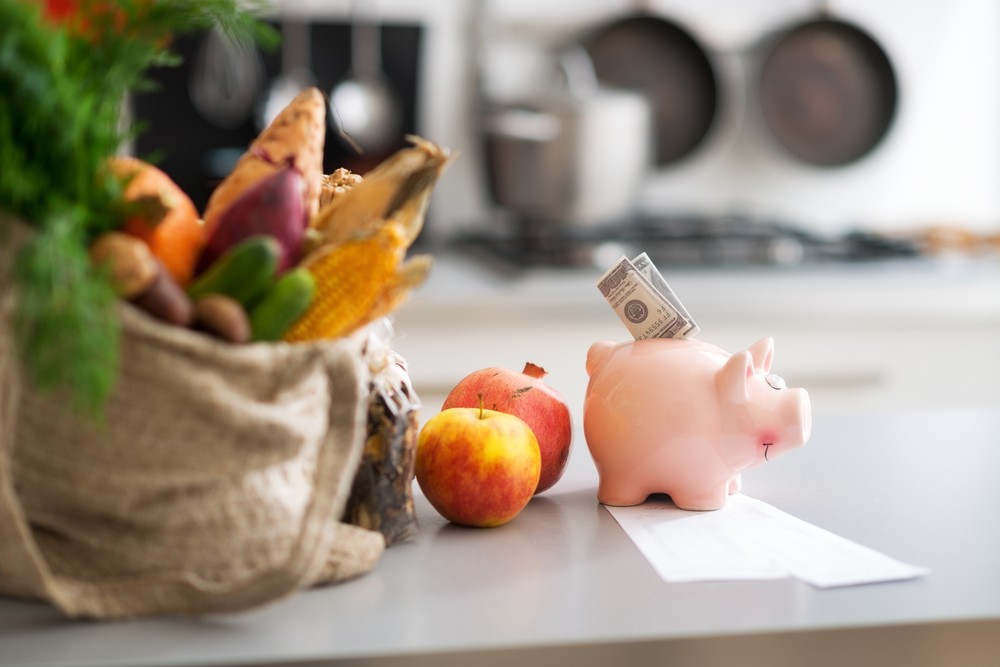
Eat well – spend less!
Healthy eating doesn’t have to be expensive.
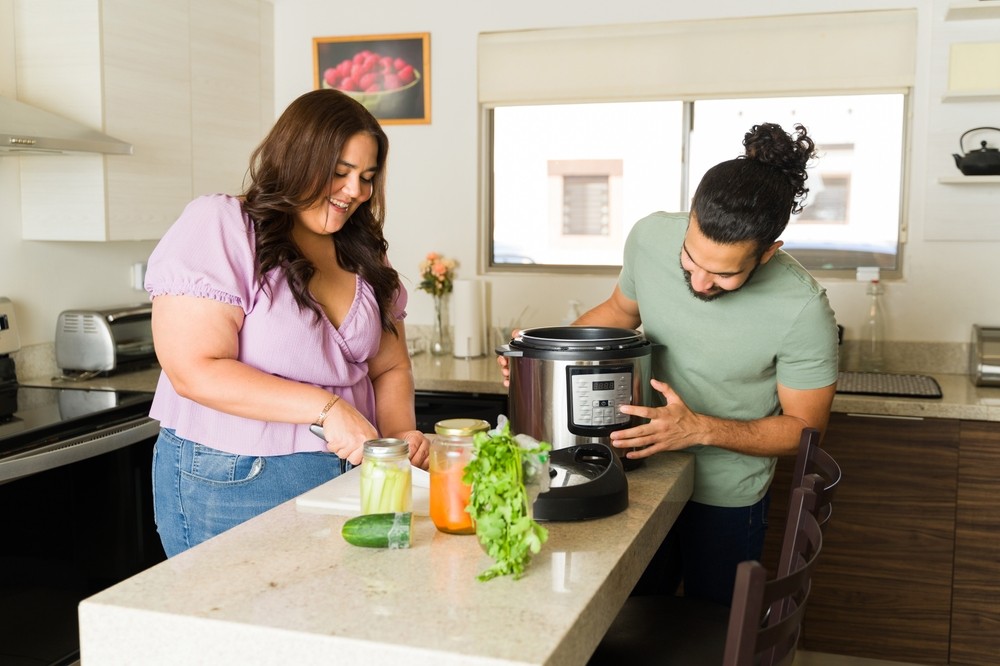
Slow cookers
Typically costing less to run than an oven, slow cookers can be a good way of cooking a good quality meal by not using too much electricity.
Air fryers
Similar to slow cookers, air fryers can be cheaper to run than an oven, saving you money on your electricity bills.
Microwaves
Microwaves are also a very efficient way of heating food and can be cheaper than using an oven.
Being prepared!
Make sure you take a shopping list with you when you go food shopping. This will prevent buying unnecessary foods that will end up getting wasted or thrown in the bin. It is also handy to plan your meals for the week and adding the ingredients you need for meals to your shopping list.
Limit takeaways and meals out
Meals out and takeaways can often be unhealthy, as well as expensive. Convenience meals such as microwavable meals are often filled with preservatives and added salt and sugar, meaning they can be unhealthy. Cooking in bulk and having food available in the house will help prevent opting for the convenience of a meal out/takeaway.
Frozen/dried/tinned rather than fresh
Buying foods that are frozen, tinned or dried can be more cost efficient than buying fresh foods. As fresh food can go out of date quicker than frozen, tinned and dried foods, this can often lead to increased food waste, meaning wasted money.
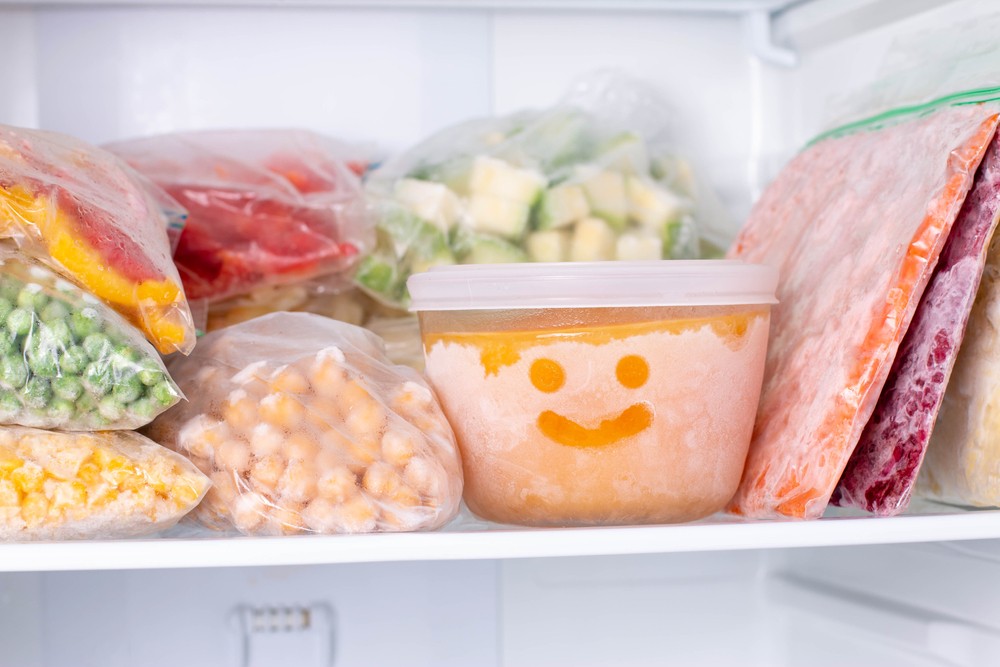
Opting for frozen/tinned vegetables/fruit in water (rather than syrups) can be a good way of saving money and often taste just as nice, as well as being nutritious.
Canned fish such as tuna, salmon and mackerel are also a good alternative to buying fresh fish (which can be expensive and spoil relatively quickly).
Supermarket own brands
Don’t be afraid to go for supermarket own brand/value ranges. These ranges are often a lot cheaper than “branded” products and often taste just as nice.
Look for “wonky” fruit and vegetable options
Supermarkets often sell “wonky” fruit and veg that may not look perfect, but still taste as good and are sold at a lower price. Look out for these in supermarkets as they are great value for money!
Also look out for seasonal fruit and veg, often if fruit and veg are out of season, they can be more expensive so shop according to season or opt for frozen.
Bulk buy and separate, then freeze
It is often cheaper to buy some foods, such as meat, in large quantities and then freeze them to use another time. If doing this, it can be handy to separate these into appropriate portions so you do not have to defrost all of it in one go!
Cook in bulk and freeze leftovers
A way of “getting the most out of” the food you buy is to bulk cook meals and freeze them, saving you time in the future, without missing out on a nutritious meal.
Making soups, curries, stews, chilli and casseroles can also be a great way of incorporating vegetables into your diet, as well as them being filling and healthy.
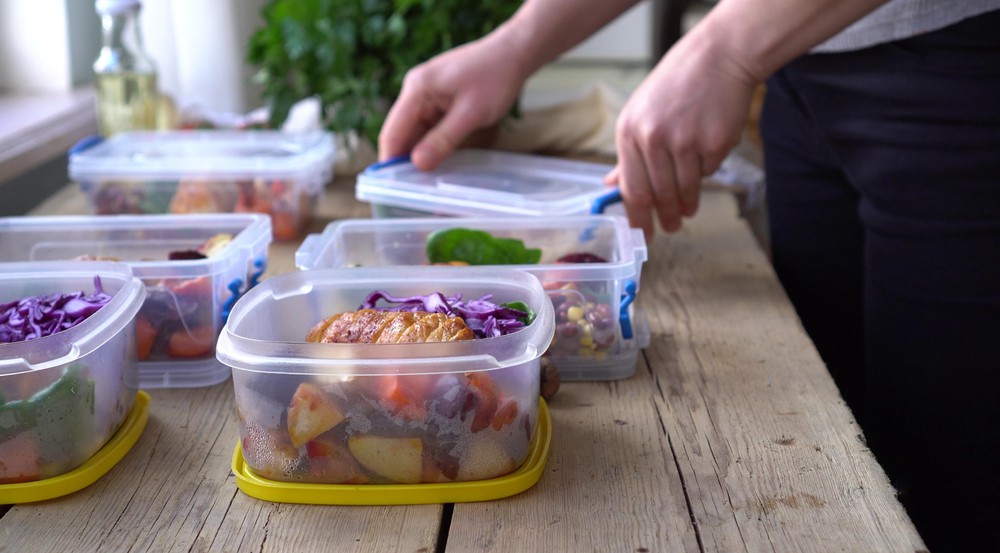
Bulk up meals with tinned lentils/canned beans to use less meat
As meat can be quite expensive sometimes, a way of making meals cheaper is to bulk them out with plant-based sources of protein, such as tinned lentils/canned beans/ chickpeas.
Bulking meals out in this way can be a good alternative as canned foods can be bought relatively cheap without compromising the nutritional content of the meal.
Too good to go app
The mobile app “Too good to go” allows you to get great value for money food from shops, cafes and restaurants that otherwise would be wasted. Often food is half price or less and the app is quick and easy to use.
Look for reduced items
Foods might be reduced or discounted for many different reasons – if they are discounted due to short shelf life, if appropriate – freeze them!
Look for cheaper cuts of meat
Certain cuts of meat can be cheaper and just as nutritious.
- Beef – brisket, skirt, flank, leg, top rump and shin
- Lamb – shoulder, scrag and middle neck, breast and chump
- Pork – spare ribs, chump, belly, hand and spring, neck and cheek (be sure to trim off excess visible fat on these meats to manage fat intake)
As well as healthy main meals, it is handy to have some ideas for what we can have for lunch or as a “lighter” meal. All the following ideas cost between 50p and £1 per serving.
Soup
Soup can be made relatively simply with left over vegetables or frozen veg. Soup can even be made with leftover meat from a roast dinner and be rustled up in batch and frozen for another meal, as well as being healthy and filling.
Jacket potato
Using fresh jacket potatoes or microwavable jacket potatoes, these can be a great healthy lunch option to fill you up. Healthy toppings include tuna with light mayonnaise, low fat cottage cheese, left over chilli/curries, baked beans, and five bean salad.
Omelette
Made with 2-3 eggs (depending on egg size) and can add tomatoes, peppers, spinach, reduced fat cheese, ham, mushrooms. These can be made into a frittata by adding potato too – handy if you have left over veg that you don’t want to waste!
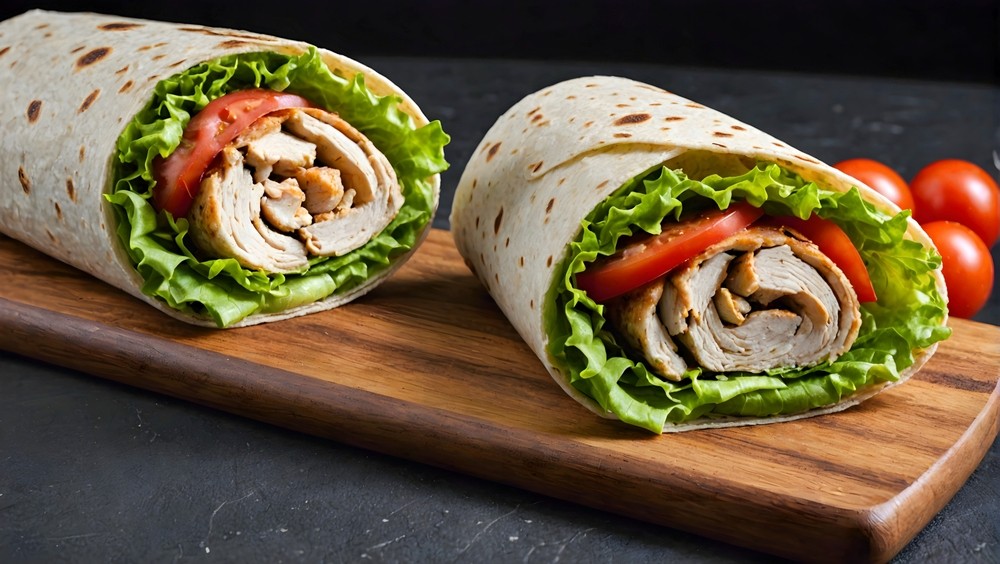
Sandwich/wraps
Sandwiches can be made with wholemeal or brown bread and light spread. Fillings might include ham salad, egg and light mayonnaise, chicken salad. Wraps are a great way of incorporating vegetables like lettuce, tomatoes, and peppers to some fresh chicken or plant-based protein.
Salads
Salads are a great lighter lunch option and incorporates getting some of your 5-a-day.
Salads don’t have to be boring! Try a wide variety of salads such as pasta salads, rice salads and tuna salads. If using dressings or sauces, make sure they are light dressings and not too high in fat/salt.
Pre-made frozen leftovers
If you have frozen leftovers or fresh leftovers, these can be a great lunch option whilst making the most of your food and preventing food waste.
Meals such as curries or chilli can be easily defrosted and eaten on their own or as a topping to a jacket potato or accompanied by some rice or pasta if required.
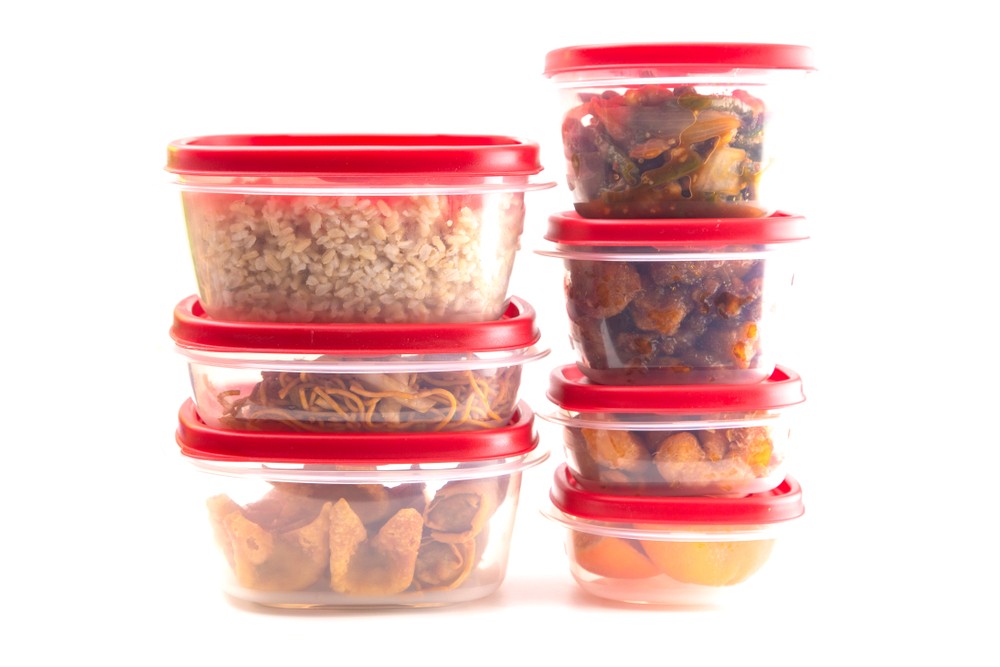
Often, cheaper snacks are not as healthy – the quick convenience of grabbing a chocolate bar from the shop rather than looking for something healthier is often something that we do – we can make some healthier swaps to prevent having too much fat and sugar at snack times.
Healthy snacks (aim to limit snacks to approx. 1 to 2 snacks per day):
• Carrots with hummus
• Fresh fruit
• 2x rice cakes with spreadable cheese or hummus
• Plain or fruit scone
• Slice of toast/half a bagel with cream cheese
• A hardboiled egg
• Small handful of nuts
• Slices of apple with nut butter
• Low fat yoghurt
• Reduced fat cheese and crackers
• 1 crumpet
• Handful of dried fruit
• Sugar-free jelly
• 2 plain biscuits, for example rich tea, digestive
• 1 lower calorie cereal bar, for example Alpen, Special K, Weetabix (check label)
• Mini bag of light popcorn (check label)
A lot of snacks can be bought cheaply – fresher foods such as scones and crumpets can be frozen so if you buy them with a short shelf life at a discounted price, freeze them to prevent food waste.
Got the urge to snack?
Here are some ideas to prevent choosing unhealthy snacks:
1. Keep healthy snacks in your work fridge – fresh fruit, veg and yogurt are a great healthy snack.
2. If you are out the house – take a healthy snack with you in your bag, rice cakes, crackers and fruit can be easy to transport.
3. In shops – Try not to opt for unhealthy snacks when shopping, be prepared and take food with you and take a shopping list with you to avoid temptation!
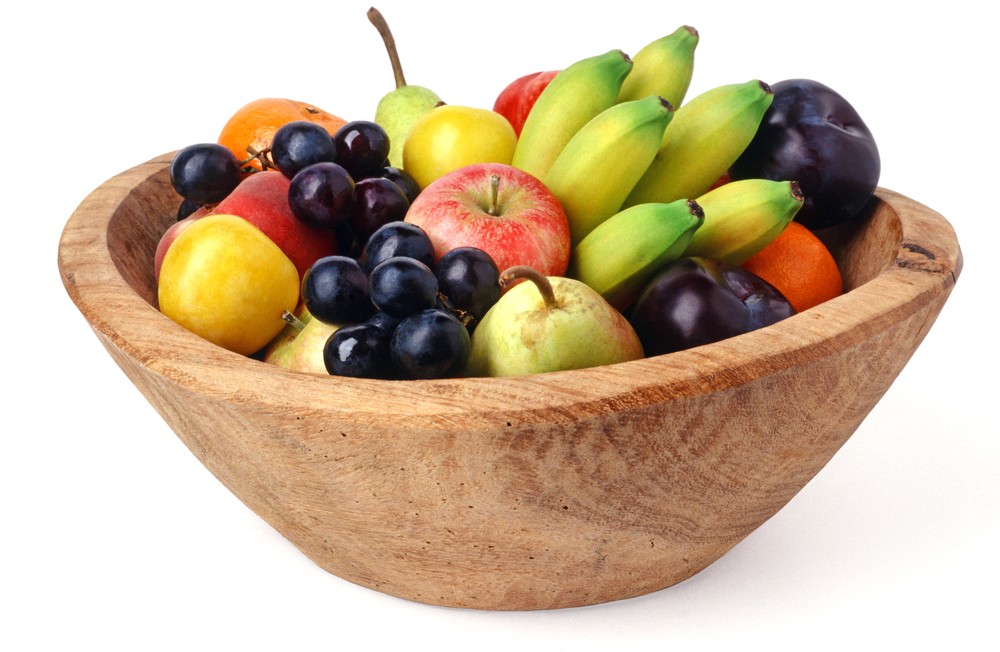
4. At home – have a fruit bowl out on the table and if hungry, have a piece of fruit, have low fat yogurts in the fridge and have vegetables such as carrot sticks available in case of a “snack attack”!
Tips to reduce food waste:
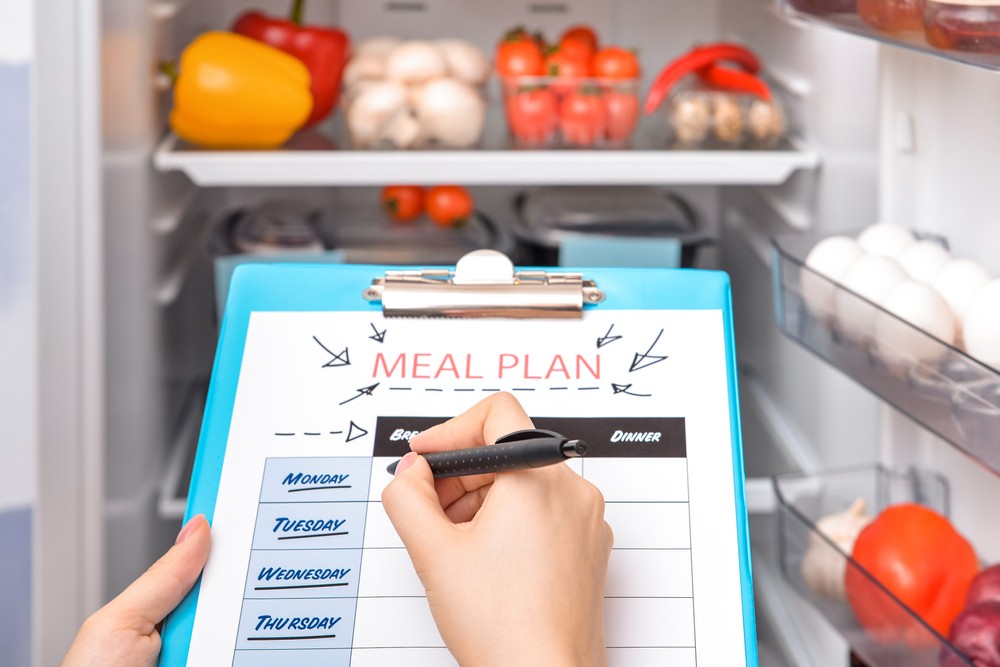
- Planning ahead – going to the shops with a shopping list or plan of what meals you are having each week will save you buying unnecessary foods that will just end up going in the bin (to help with this, see our meal planner and shopping list at the end of this resource).
- Checking use by dates – when you go shopping, check use by dates – there is no point buying something that goes off the next day and you aren’t using it straight away, meaning it will be wasted.
- Freeze leftovers – freezing leftover meals can be a great way of saving money and reducing food waste. If you cook a larger meal and have some spare portions, freeze them so you can defrost and have another day (freeze if appropriate).
- Read packaging to check storage instructions – some foods might have a longer period of time they can be used, even once opened; others need consuming within a few days, even if they’re in the desired storage space. Check how foods are best stored and take this into account if you think it might spoil/not get used quickly.
- Buy frozen and canned foods – frozen and canned foods last longer than fresh food sometimes. You are still able to eat healthily and not waste fresh food buy opting for frozen fruit and veg, and canned pulses, beans, lentils, to be used in meals which don’t spoil as quick as fresh food.
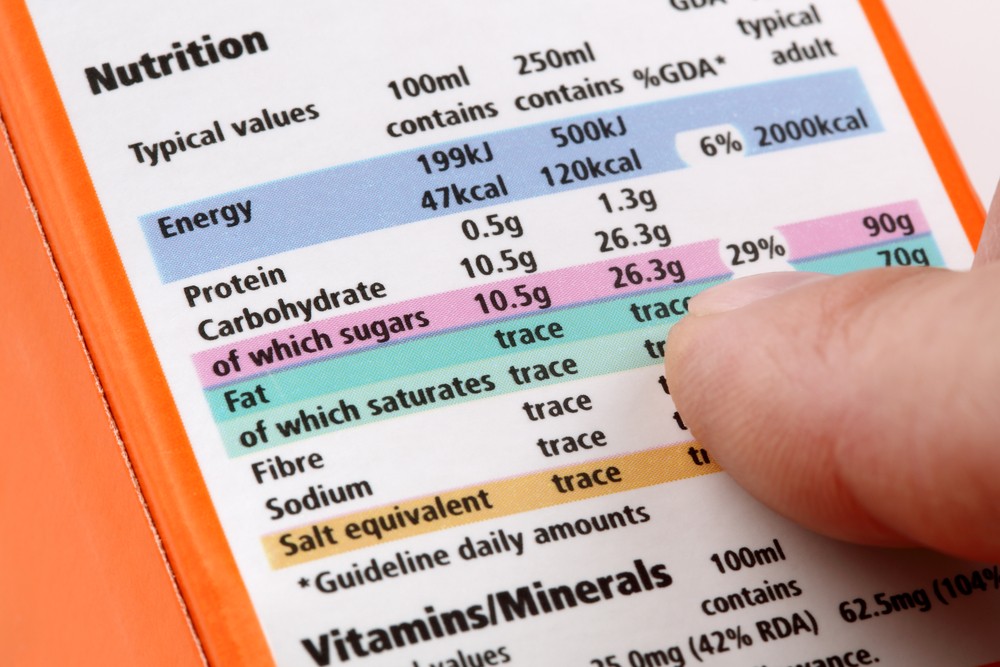
It is important to know what food labels mean when picking what we buy at the shop and being able to determine what is the healthiest option for our money. Labels help us keep a track of what food might be high or low in fat, saturates, salt, sugar and help us decide what might be the healthier option.
Guidelines on reading a food label:
- Total fat: High = more than 17.5g of fat per 100g Low = 3g of fat or less per 100g
- Saturated fat: High = more than 5g saturated fat per 100g Low = 1.5g of saturated fat or less per 100g
- Sugars: High = more than 22.5g of total sugars per 100g Low = 5g of total sugars or less per 100g
- Salt: High = more than 1.5g of salt per 100g Low = 0.3g of salt or less per 100g
Traffic light labels
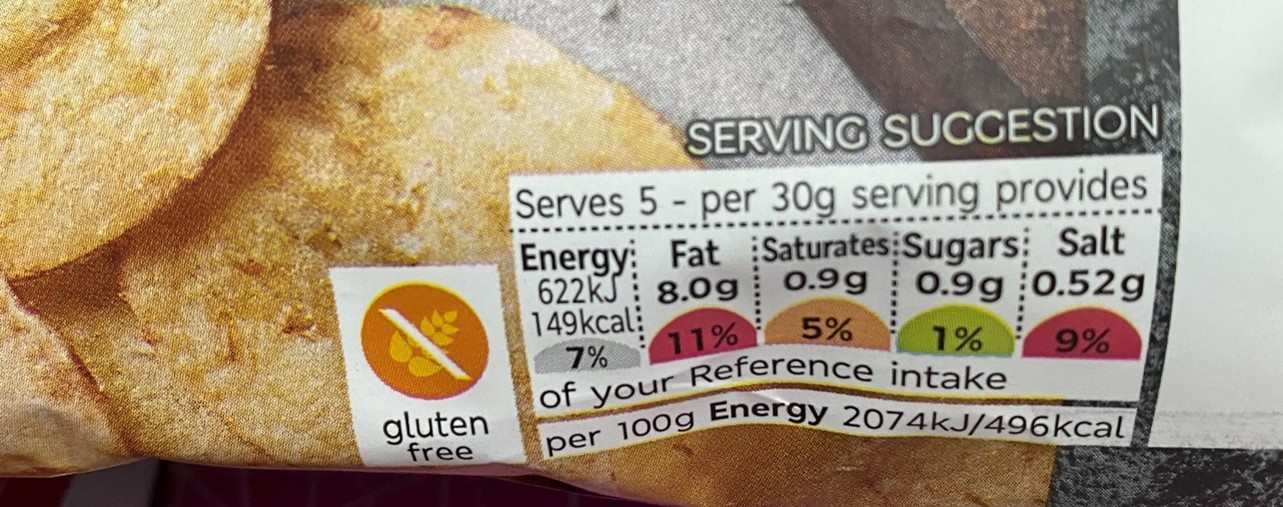
Colour-coded nutritional information is a quick way of us being able to tell if a food has a high, medium or low amount of fat, saturates, sugars and salt. Often calorie (energy) is colour coded as well.
- Red means high
- Orange means medium
- Green means low
Generally, healthier options have a mostly green label. Amber means neither high nor low, so food with mostly amber you can have most of the time.
Any foods with red on the label mean it is high in calories, fat, saturates, sugar or salt and these should be limited, eaten less and in smaller amounts.
Sometimes it is helpful to have some food items with a longer shelf life in the cupboard ready for when you want to make a quick, healthy meal – saving you time and money and prevents going to the shop for fresh goods.
Here are some suggestions:
• Rice
• Pasta
• Noodles
• Cereals/porridge oats
• Wholemeal bread
• Stock cubes vegetable/beef/chicken/fish/lamb/pork)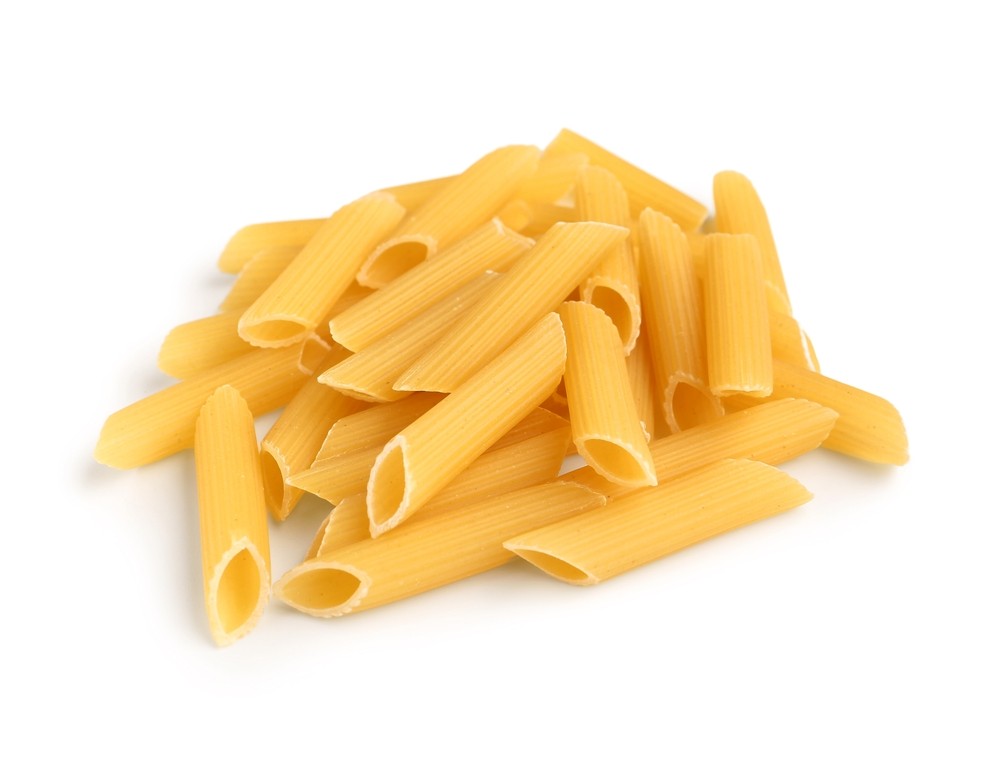
• Dried herbs and spices (such as black pepper, salt, garlic granules, mixed spices, curry powder)
• Tinned tomatoes or chopped tomatoes
• Tomato puree
• Tinned beans
• Tinned lentils
• Tinned fruit/veg
• Tinned fish
• Oil
• Chickpeas
• Long life/UHT milk
- BBC Good Food
www.bbcgoodfood.com - Jamie Oliver
www.jamieoliver.com/ budget-friendly-recipes - Tesco Real Food
www.realfood.tesco.com - Knorr Cooking on a budget
www.knorr.com/ uk/ recipes/ super-simple-recipes.html - British Dietetic Association
www.bda.uk.com/ resource/ food-facts-eat-well-spend-less.html - Cooking on a bootstrap
www.oursouthend.wordpress.com/ category/ recipes-food - British Heart Foundation
www.bhf.org.uk/informationsupport/heart-matter- magazine/nutrition
- Slow cooker mushroom risotto recipe
www.bbcgoodfood.com/ recipes/ slow-cooker-mushroom-risotto - Slow cooker chicken curry recipe
www.bbcgoodfood.com/ recipes/ slow-cooker-chicken-curry - 12 hour rich lentil ragu
www.oursouthend.wordpress.com/2017/11/30/12-hour-rich-lentil- ragu-29p-vegan-slow-cooker - Smoky chorizo and chickpea one-pot
www.knorr.com/ uk/ r/ smoky-chorizo-chickpea-onepot.html/ 153576 - Spanish rice and prawn one-pot recipe
www.bbcgoodfood.com/ recipes/ spanish-rice-prawn-one-pot - One-Pot Chickpeas and Sweet Potato Curry
www.plantbasedandbroke.com/ sweet-potato-curry/ - Five-bean chilli recipe
www.bbcgoodfood.com/ recipes/ five-bean-chilli - Tuna Pasta Bake
www.knorr.com/ uk/ r/ tuna-and-pasta-bake.html/ 104821 - Healthy Spaghetti Bolognese Recipe Healthy
www.realfood.tesco.com/ recipes/ healthy-spaghetti-bolognese.html - Easy Kedgeree
www.bbcgoodfood.com/ recipes/ keep-it-simple-kedgeree - Creamy pesto and kale pasta recipe
www.bbcgoodfood.com/ recipes/ creamy-pesto-kale-pasta - Harissa chicken & squash traybake recipe
www.bbcgoodfood.com/ recipes/ harissa-chicken-traybake-0
Information and approximate prices as of August 2024
Slow cooker recipes
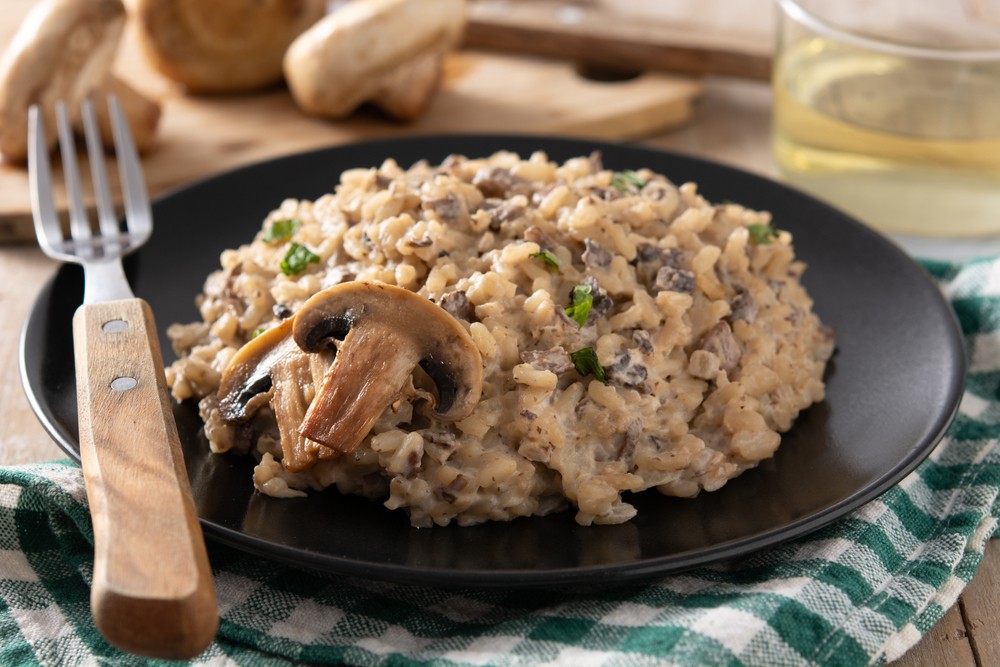
Serves 4, low in calories and fat, vegetarian.
Per serving: 346kcal, 3g fat, approx. 60p per portion.
Ingredients:
• 300g wholegrain rice
• 250g chestnut mushrooms (sliced)
• 50g porcini mushroom (optional)
• 1 litre vegetable stock
• 1 onion (finely chopped)
• 1 tbsp oil
• Grated cheese of choice to serve
Method:
1. Heat the slow cooker. Fry the onion in a frying pan with a splash of water for 10 minutes, or until onion has softened. Add the mushrooms to the pan and stir around until they start to soften and release their juices.
2. In a separate saucepan, pour the stock into the pan and add the porcini if desired. Tip the onions and mushrooms into the slow cooker and add the rice, stir in well. Pour the stock and porcini into the slow cooker, leaving excess sediment in saucepan (can pour through sieve if desired).
3. Cook on high for 3 hours, stirring halfway and check the consistency. If more liquid is needed, add in a splash of stock. Once thoroughly cooked, season and serve with cheese.
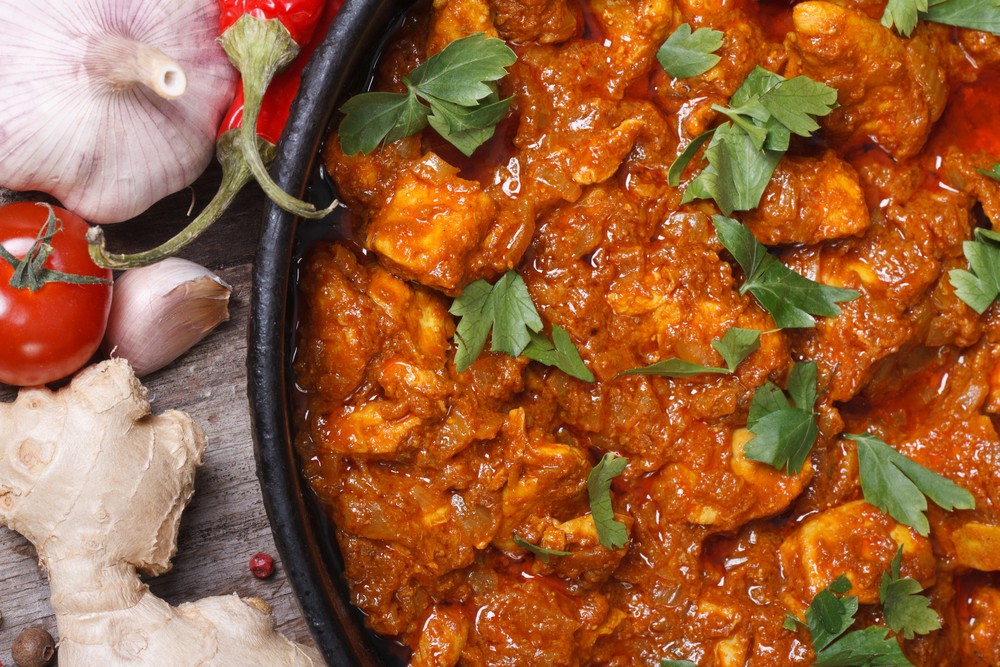
Serves 2, low in calories and fat.
Per serving: 345kcal, 13g fat approx. £1.50 per portion.
Ingredients:
• 1 large onion (roughly chopped)
• 400g canned chopped tomatoes
• 2 skinless chicken legs
• 1 yellow pepper
• 2 tsp veg bouillon powder (or stock cube)
• 3 tbsp mild curry paste
• 1 tbsp finely chopped ginger
• 30g fresh coriander
• Cooked brown rice (to serve)
Method:
1. Put the chopped onion, curry paste, chopped tomatoes, vegetable bouillon powder/stock cube, chopped ginger and yellow pepper into the slow cooker pot with a third of a can of water and stir well.
2. Add 2 skinless chicken legs and push them under all the ingredients so that they are completely submerged. Cover with lid and chill in the fridge overnight – if you don’t want to marinade for as long, do the same day!
3. Once marinated to desired preference, cook on low for 6 hours until the chicken and vegetables are tender. Stir in chopped coriander before serving and serve with brown rice.
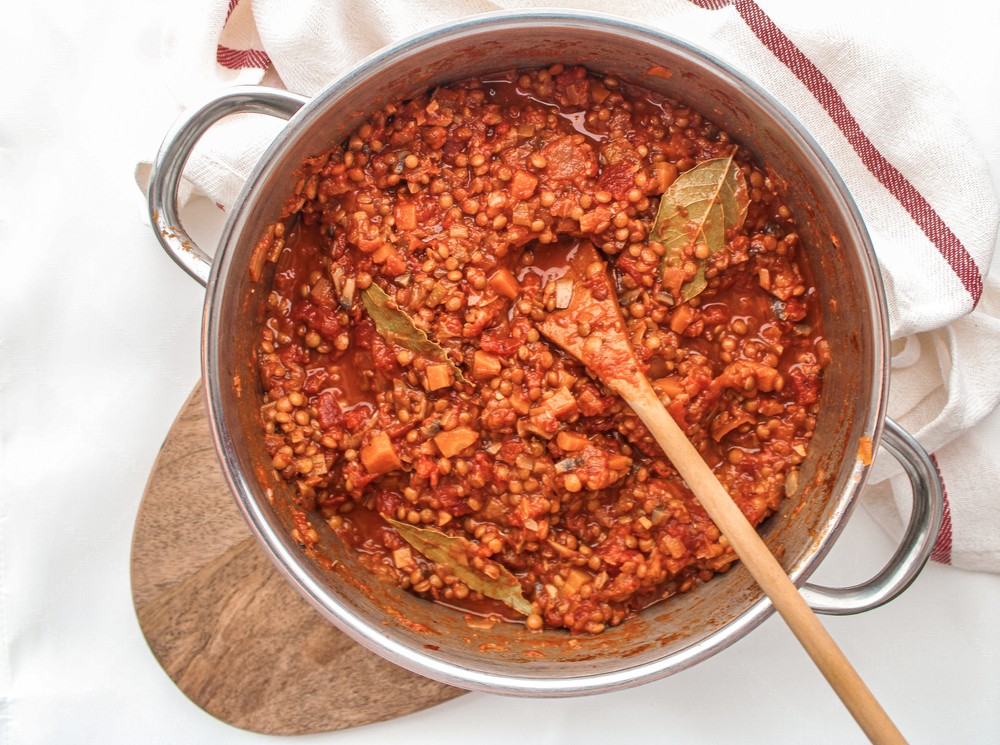
Serves 2-3, low calorie and fat, vegetarian, freezable.
Per serving: approx. 200kcal, 29p per portion.
Ingredients:
• 1 small onion or a handful of diced frozen onion
• 6 gloves of garlic
• 400g tin of chopped tomatoes
• 400g tin lentils
• 2 tbsp tomato ketchup
• ½ vegetable stock cube
• 200ml water
• Pinch of mixed dried herbs
• 1 tbsp oil
Method:
1. Turn the slow cooker onto a high heat. Peel and finely chop the onion and the garlic and put into the pot. Add the oil, chopped tomatoes and ketchup and crumble in the stock cube. Pour in the water and stir.
2. Cook on a high heat for an hour, then turn onto a low heat for 3- 11 hours. Once cooked for desired amount of time, drain the lentils and add to pot and heat on high for another 30 minutes or until broken down. Serve with pasta or rice, or use as a casserole/stew base, or layered in lasagne.
One pot wonders
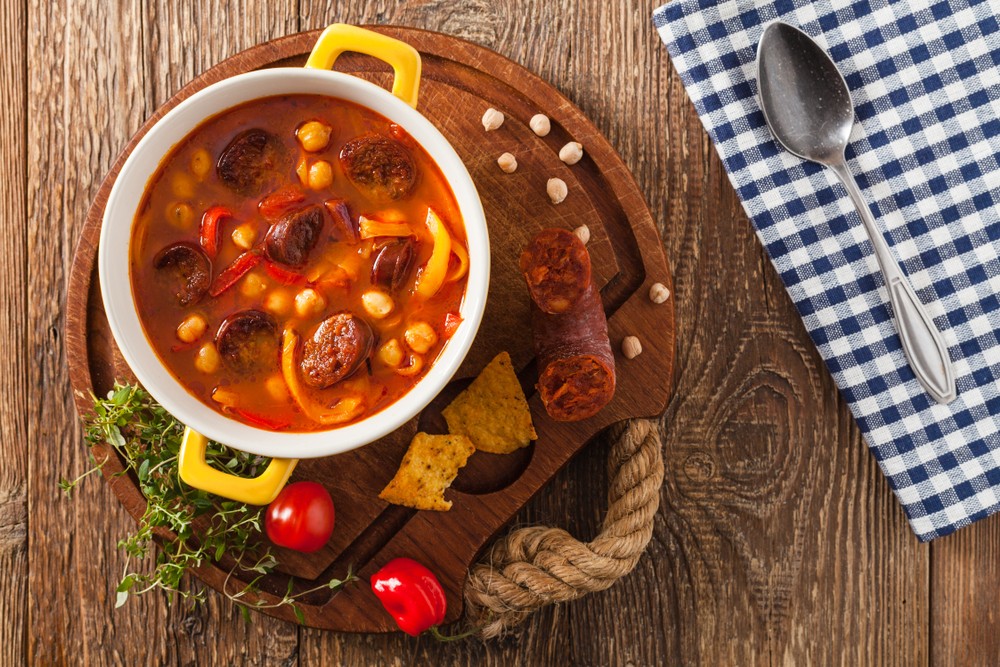
Serves 4, low calorie.
Per serving: 294kcal, 13g fat, approx. 90p per portion.
Ingredients:
• 1 chicken stock cube dissolved in 200ml boiling water
• 400g tinned chickpeas
• 400g canned chopped tomatoes
• 175g chorizo (thinly sliced)
• 2 sweet potatoes (chopped into chunks)
• 1 red pepper (cut into slices)
• 1 tbsp smoked paprika (optional)
Method:
1. Fry the chorizo in a large frying pan for 5 minutes until crispy. Add the potato and pepper and fry for 1 minute, continuously stirring.
2. Add can of tomatoes and stock and bring to a boil. Turn down to a simmer, cover and cook for 15 minutes. Add the chickpeas and cook for a further 4-5 minutes.
3. Serve with green salad, or portion of rice/pasta if desired.
Serves 4, low in calories, fat and saturates.
Per serving: 398kcal, 8g fat, approx. £1.30 per portion.
Ingredients:
• 250g basmati rice
• 400g canned chopped tomatoes
• 50g chorizo (sliced)
• 1 onion
• 1 red and 1 green pepper (deseeded, sliced)
• 2 garlic cloves (crushed)
• 200g raw peeled prawns (defrosted if frozen)
• 1 tbsp oil
Method:
1. Boil the kettle. In a shallow frying pan with a lid, fry the onion, peppers, chorizo and garlic in the oil over a high heat for 3 minutes. Stir in the rice and chopped tomatoes with 500ml boiling water, cover, then cook over a high heat for 12 minutes.
2. Uncover the pan and stir – the rice should be almost tender. Stir in the prawns with a splash more water if the rice is looking dry, then cook for another minute until the prawns are just pink and the rice is tender.
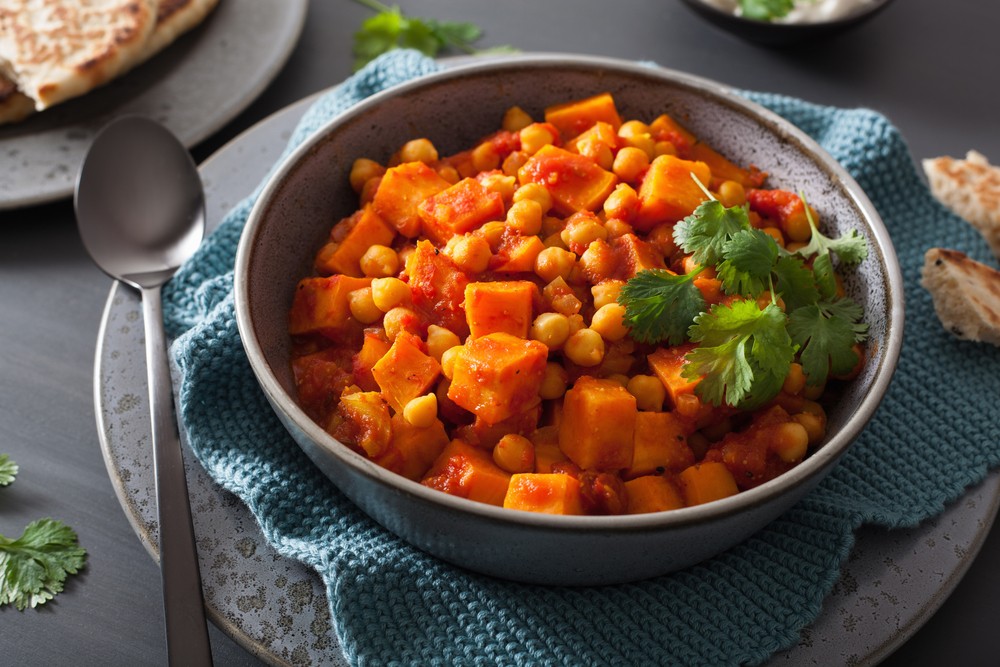
Serves 4, vegetarian, vegan, low calorie.
Per serving: 374kcal, approx. 50p per portion.
Ingredients:
• 1 red onion (chopped)
• 2 cloves garlic (minced)
• 1 can chopped tomatoes
• 2 sweet potatoes (cut into one inch cubes)
• 1 tbsp tomato puree
• 400g can of chickpeas (drained)
• 500ml vegetable stock
• 2 tbsp curry powder
• 1 tsp turmeric
• 1 tbsp oil
• Rice to serve
Method:
1. In a saucepan, heat oil over a medium heat. Add the onion and cook for 2-3 minutes or until it starts to soften and brown. Add the garlic and cook for a further minute. Add the curry powder, turmeric and tomato puree, stir well and cook for another minute.
2. Add the chopped tomatoes, stir well and simmer for 2-3 minutes. Add the sweet potatoes and cook for 5 minutes, allowing them to slightly brown. Add some water if needed to prevent sticking.
3. Add the drained chickpeas and stir well. Pour in the vegetable stock, ensuring the sweet potato and chickpeas are fully submerged. Cover with a lid and simmer for 15-20 minutes or until the sweet potatoes are tender/soft. Serve with rice.
Batch cooking recipes
Serves 4, low in calories and fat, freezable, vegan, vegetarian.
Per serving: 439kcal, 8g fat, approx. 72p per portion.
Ingredients:
• 1 onion (sliced)
• 2 peppers (sliced)
• 2 garlic cloves (crushed)
• 400g can chopped tomatoes
• 400g can mixed beans
• 400g can black beans
• 1 ½ tbsp oil
• 1 tbsp ground cumin
• 1 tbsp ground coriander
• 2 tsp hot smoked paprika
• 250g brown rice
• Soured cream or guacamole (to serve)
Method:
1. Heat the oil in a casserole dish and fry the onion and pepper for 10 minutes over a medium heat until the onion is golden brown. Add the garlic and spices and fry for 1 minute. Pour in the tomatoes, both cans of beans, 50ml water then season. Simmer, stir regularly for 15-20 minutes until thickened.
2. Meanwhile, cook the rice following the pack instructions. Serve the chilli on the rice and serve with soured cream and/or guacamole if desired.
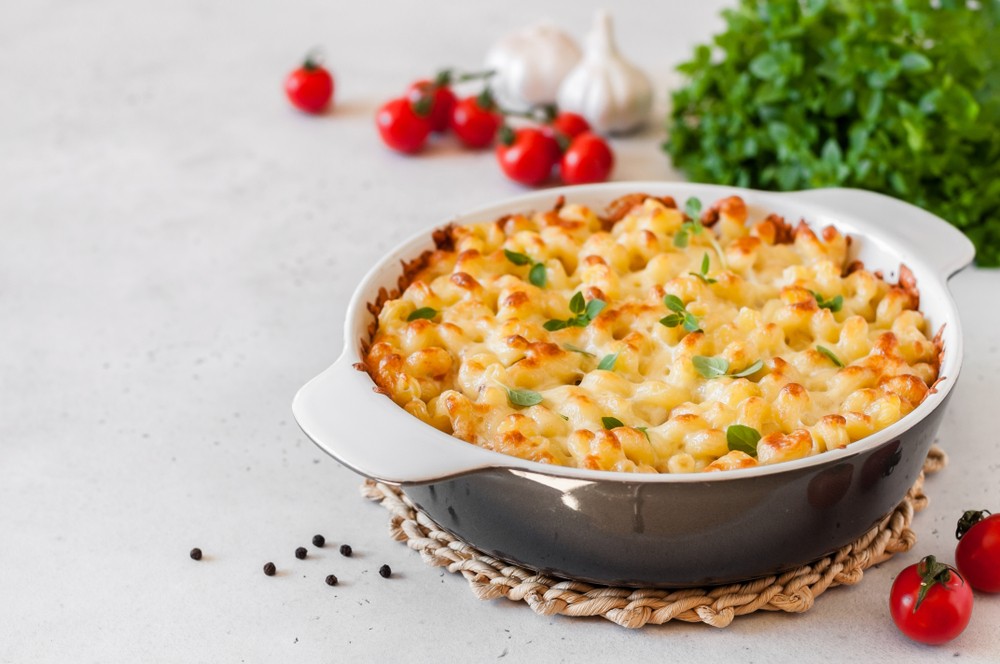
Serves 4, low in calories and fat, freezable.
Per serving: 195kcal, 7g fat, approx. £1.14 per portion.
Ingredients:
• 300g pasta
• 1 tbsp oil
• 1 onion (chopped)
• 2 garlic cloves (chopped)
• 400g canned chopped tomatoes
• 100g pitted green olives
• 370g/2 cans of tuna (drained)
• 80g cheddar cheese
• 1 tbsp flour
• 1 Knorr herby stockpot
Method:
1. Preheat the oven to 200°C, 220°C fan, gas mark 7.
2. Lightly grease a baking dish and cook the pasta following packaging instructions.
3. In a separate large frying pan, heat the oil over a medium heat. Add the onion and garlic and cook for 5 minutes, stir in the flour and cook for a further 2-3 minutes.
4. Add the Knorr stockpot and tomatoes. Bring to the boil and add the olives and tuna and simmer for 5 minutes. Add the pasta and mix well. Pour the mixture into the baking dish and sprinkle with grated cheese.
5. Bake for 15 minutes until golden and bubbling.
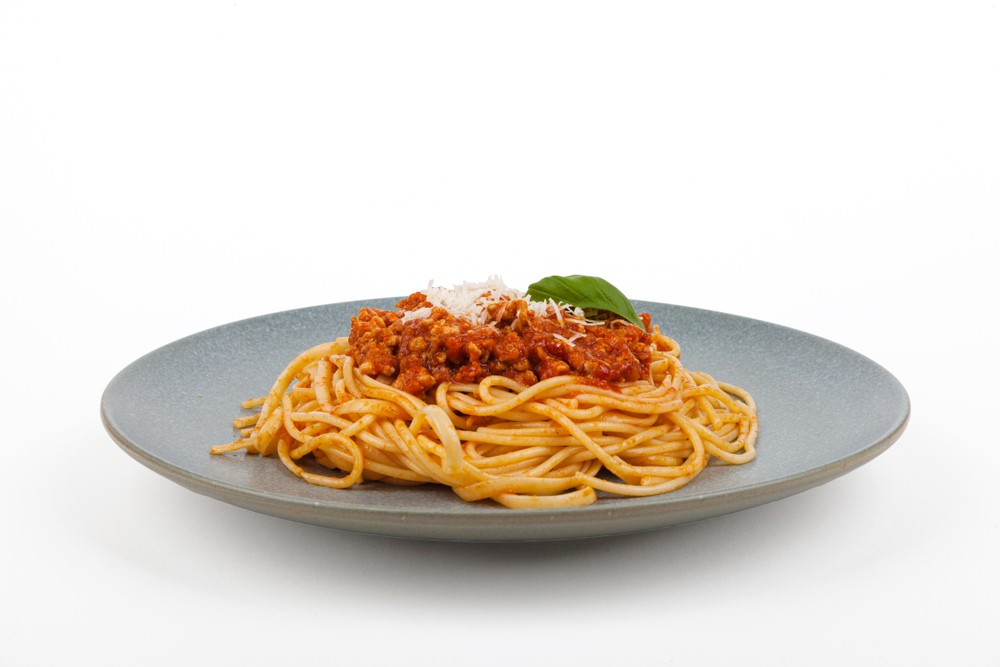
Serves 6, low calorie and fat, sauce freezable.
Per serving: 297kcal, 36 fat, approx. 70p per portion.
Ingredients:
• 1 onion
• 400g turkey mince
• 1 carrot (grated)
• 1 medium courgette (diced)
• 2 garlic gloves (finely chopped)
• 400g canned chopped tomatoes
• 600ml beef stock
• 1 celery stick (optional)
• 2 bay leaves
• 300g wholewheat spaghetti
• Sprinkle of cheese to serve
• 1 tsp oil
Method:
1. Heat the oil in a large saucepan. Add the onion, celery and 2 tbsp water and fry for 5 minutes or until vegetables have softened. Add the courgette and fry for another 2-3 minutes.
2. Add the mince and garlic and fry for another 3-4 minutes, stirring frequently or until the mince has broken up and is starting to brown, stir well.
3. Add the grated carrot and 150ml of beef stock and simmer for 3- 4 minutes. Add the chopped tomatoes, 450ml of beef stock and the bay leaves and bring to the boil. Cover with a lid and turn down to medium-low heat and simmer for 45 minutes, stirring occasionally.
4. Remove the lid and cook for another 10-15 minutes or until the liquid has reduced and thickened to desired consistency. Prepare spaghetti following packaging instructions and serve with grated cheese.
Five ingredients or less recipes
Serves 4, low calorie and fat.
Per serving: 405kcal, 2g fat, approx. £1.15 per portion.
Ingredients:
• 300g basmati rice
• 600ml chicken stock
• 400g skinless smoked haddock
• 100g frozen peas
• 2 tbsp curry powder of your choice
Method:
1. Heat the oven to 180°C, 160°C fan, gas mark 4.
2. Heat an oven-proof sauce pan over a medium heat and toast the curry powder for 1 minute. Stir in the rice to coat it in curry powder, then pour over the stock. Bring to the boil, then lay haddock on top. Cover and cook in the oven for 30 minutes.
3. Carefully remove from oven and leave to rest for a minute, the stir through peas while breaking up the haddock and fluffing the rice. Season to taste, then serve.
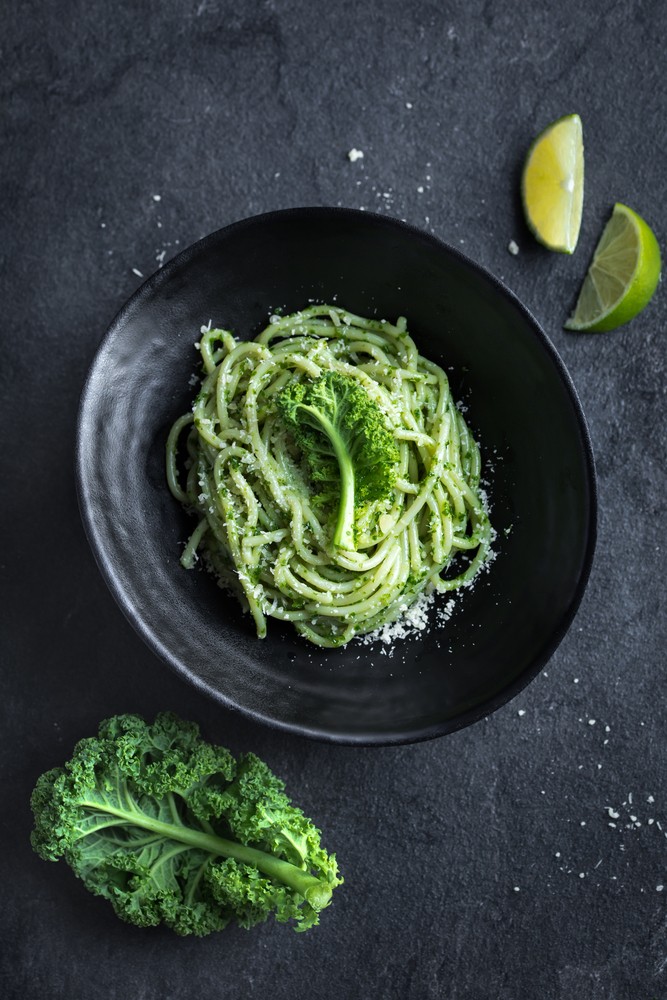
Serves 4, low calories, vegetarian.
Per serving: 428kcal, 13g fat, approx. 60p per portion.
Ingredients:
• 2 red onions (thinly sliced)
• 300g kale
• 300g wholemeal pasta
• 4 tbsp reduced-fat soft cheese
• 4 tbsp pesto
• 1 tbsp oil
Method:
1. Heat the oil in a frying pan over a medium heat. Fry the onions for 10 minutes until soft and starting to caramelise. Add the kale and 100ml water then cover and cook for 5 minutes or until the kale has wilted.
2. Cook the pasta following the packaging instructions. Drain and toss with the onion mixture, soft cheese and pesto, adding a splash of water to loosen if needed. Season and serve.
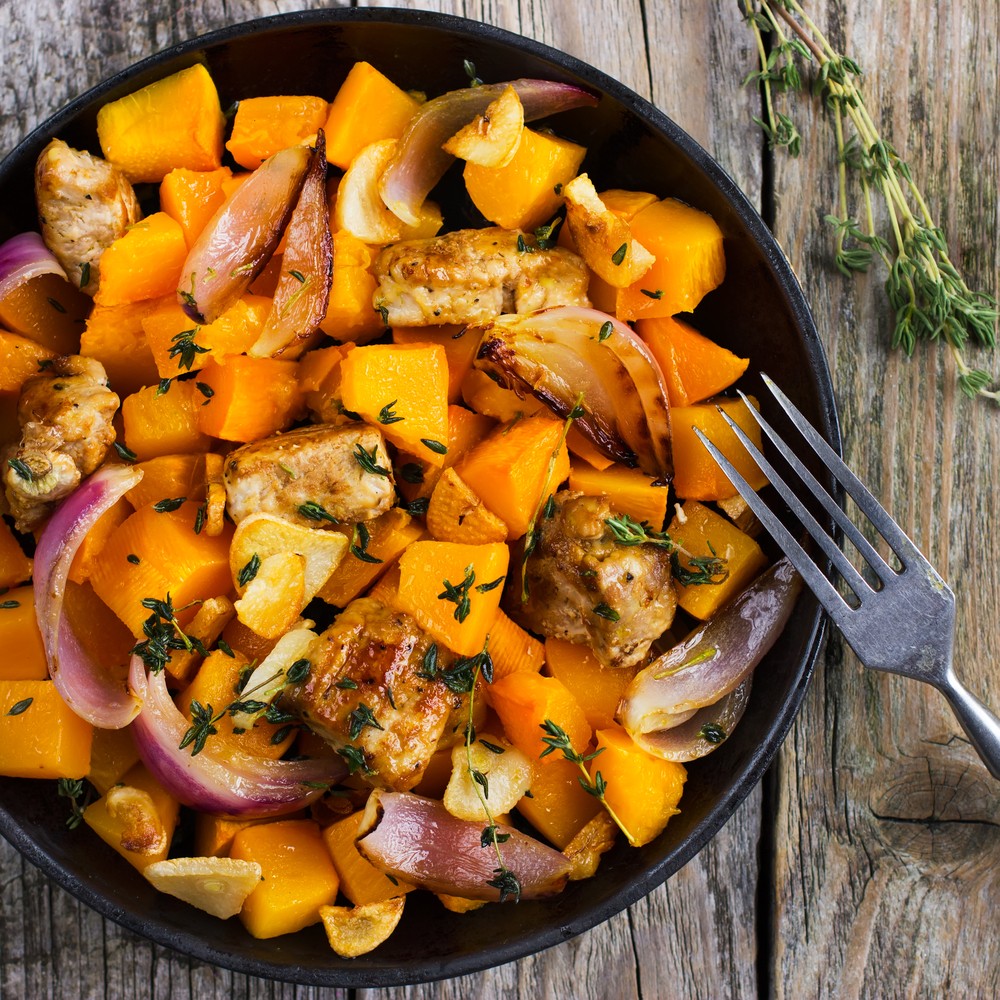
Serves 4, low calorie.
Per serving: 303kcal, 9g fat, approx. £1.50 per portion.
Ingredients:
• 4 skinless chicken breasts
• 1 small butternut squash (peeled, de-seeded and cut into wedges or chunks) – can also buy these as frozen chunks
• 2 red onions (cut into wedges)
• ½ of 500g pot of low fat natural yogurt
• 3 tbsp harissa paste
Method:
1. Heat oven to 200°C, 180°C fan, gas mark 6. Mix 2 tbsp of harissa with 3 tbsp yogurt. Rub all over the chicken breasts and set aside to marinate whilst preparing the vegetables.
2. Toss the squash and onions with the remaining harissa, mixed with 2 tbsp oil and some seasoning in a large roasting tin. Roast for 10 minutes.
3. Remove the veg from the oven, add the chicken to the tin, and then roast for a further 20-25 minutes until the chicken and veg are cooked through.
4. Serve with remaining yogurt on the side and serve with rice or cous cous.