
What is this leaflet for?
This leaflet will provide you with information that you may find useful during your stay on Tweed Low Secure Unit.

A member of staff or a carer can support you to read this booklet. They will be able to answer any
questions that you have.
Welcome
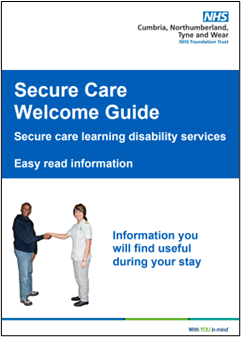
Before you arrive on the unit you will be sent a welcome guide.
The guide will tell you about your care and treatment while you are in hospital.
It will also tell you about the care team.

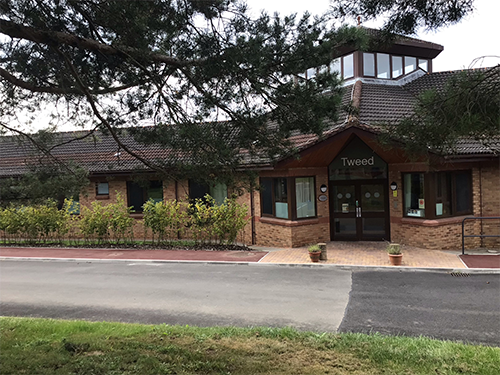
Tweed Unit
Tweed Unit is at Northgate Park in Northumberland. This hospital is very safe and secure.
Tweed is for men who have a learning disability. It helps them feel better and get the right care.
There are two flats at Tweed. Each flat has seven beds. This means 14 people can stay there.
Why do I need to be here?
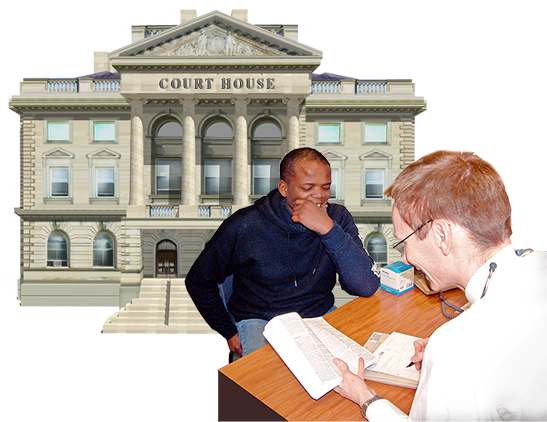
A doctor or the courts have decided that you should stay at Tweed.
They think it is the best place for you to get care and treatment.
When you arrive on Tweed
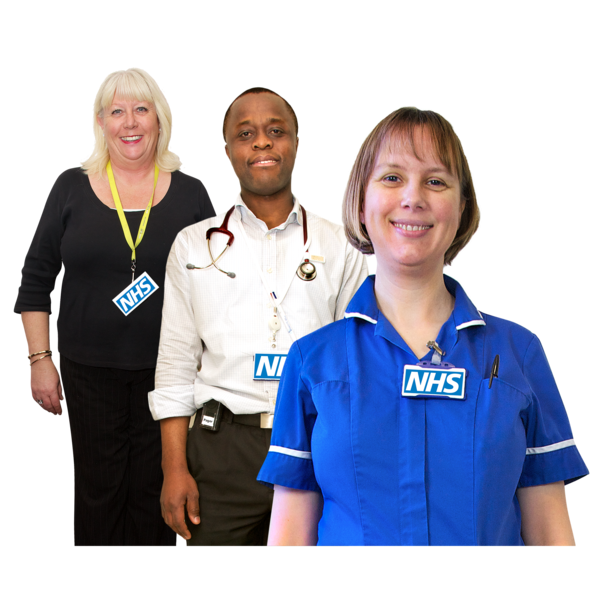
When you arrive, a member of staff will welcome you. They will tell you what will happen during your stay.
You will have time to settle in. You can have a look around and get used to the place.
How long will I stay here?
This will depend on what care and treatment you need. The care team will talk to you about this.
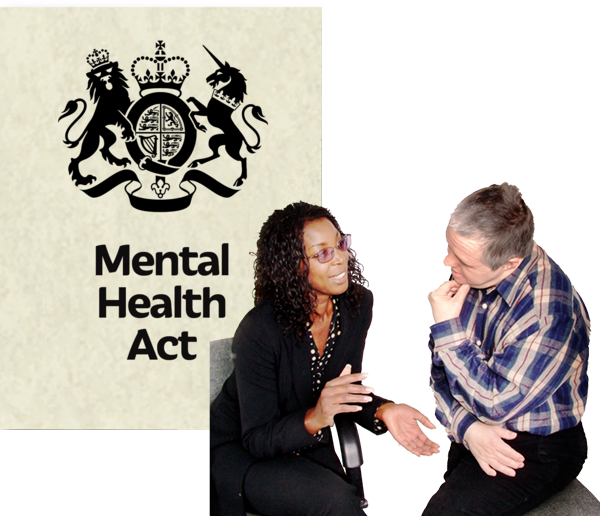
A member of staff will explain why you are staying under the mental health act and what this means.

What sort of things can I do at Tweed Unit?
You will have your own bedroom.

There are shared spaces like:
- dayroom with a TV and music
- kitchen
- quiet room
- courtyards
You can use these spaces with staff watching.

There are groups at Tweed you need to join.
The staff will tell you more about these groups when you get there.
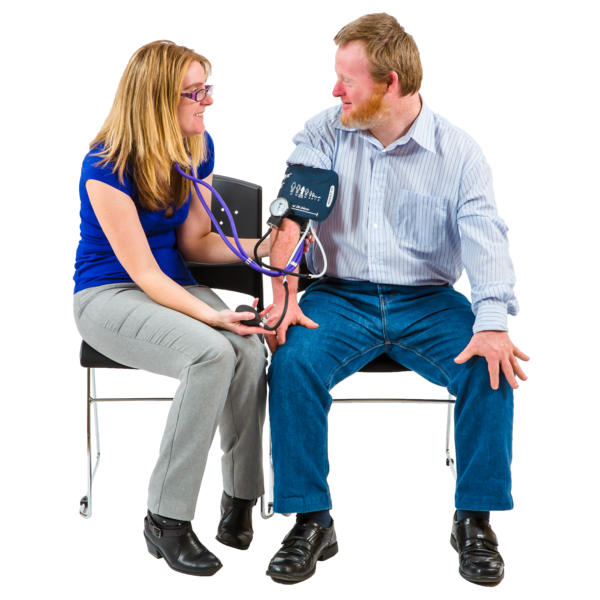
During your physical health check-up, you will work with your care team.
They will learn about what you are good at and what help you need.
After this, they will make a plan just for you.

Recovery Star Secure
Secure services help keep people safe and make their lives better. They support people with mental health problems.
Some people might have been in trouble with the police or courts.

These services help people understand themselves and their past.
They teach new skills and ways to handle hard situations.
This helps people leave secure places and have more freedom and choices.
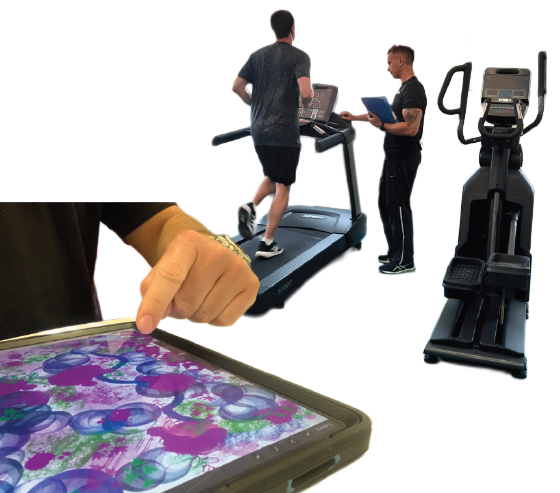
The focus is on mental health, strong feelings, and addictions.
They also look at risks to others, physical health, social skills, and relationships.
They encourage trust, hope, and doing meaningful activities.

Model of care
Sometimes, we have strong feelings that are hard to handle. It’s important to find ways to feel better and stay safe.
Talking to someone you trust can help you manage these feelings and stay calm. Trust and hope are also important.
All these things help people live better and safer lives.

Some people might do things too much, like playing games or eating sweets.
This can be a problem if it stops them from doing other things.
It’s good to have a balance and try different activities.

Being healthy is important for everyone.
We should try to eat well, move our bodies, and make friends.
Doing fun things with others can make us happy and help us feel hopeful about the future.

Activities you can be involved with
You will have day activities as part of your treatment. These can include:
- learning to read and write
- gardening
- art
- gym sessions
These activities help you learn new skills and have fun.

You can join in social activities too. You might like to:
- play sports like badminton or football
- use the gym
- visit the multi-faith room
There are also regular social events. Staff can help with your hobbies.

Students might help with your care. They will ask you first if they can help.
If you do not want them to help, tell your nurse or key worker.
They will listen to you.

Problems, complaints or suggestions
If you are unhappy about your support you should tell a member of staff.
They will help you to make a complaint.

Cumbria, Northumberland, Tyne and Wear NHS Foundation Trust has a complaints policy.
If you want to complain we will give you a leaflet to explain how to, or you can talk to a member of staff.
If you think there are things we could do to make our service better please tell a member of the team.
Or you can call the Patient Advice and Liaison Service (PALS).
Freephone: 0800 032 0202

Further information about the content, reference sources or production of this leaflet can be obtained from the Patient Information Centre. If you would like to tell us what you think about this leaflet please get in touch.
This information can be made available in a range of formats on request (Braille, audio, larger print, BSL or other languages). Please telephone the Patient Information Centre on 0191 246 7288
Published by the Patient Information Centre
2024 Copyright: Cumbria, Northumberland, Tyne and Wear NHS Foundation Trust
Ref: PIC/614/1224 December 2024 V6
Review date 2027
Website: www.cntw.nhs.uk
Find us on social media, search for CNTW